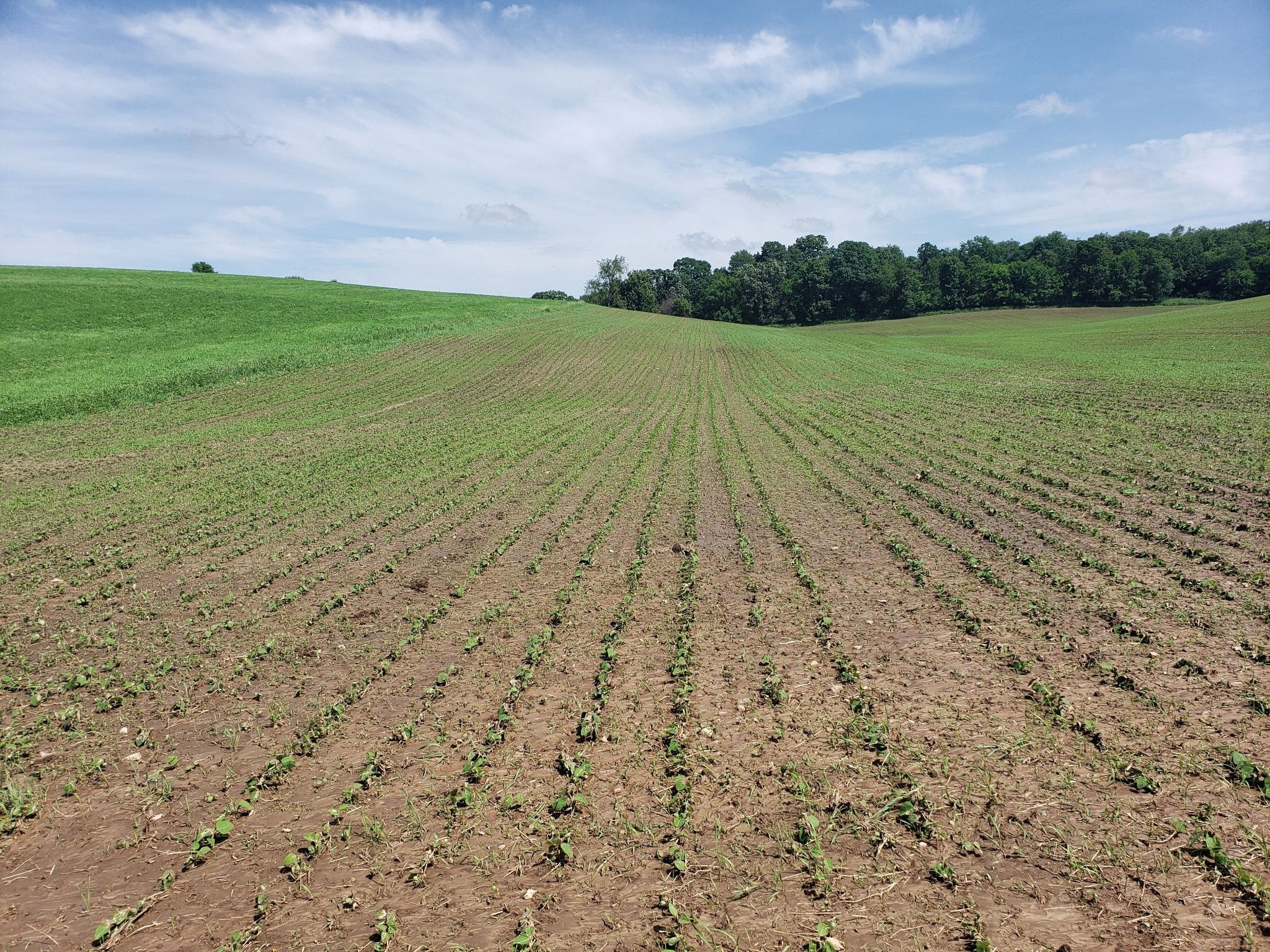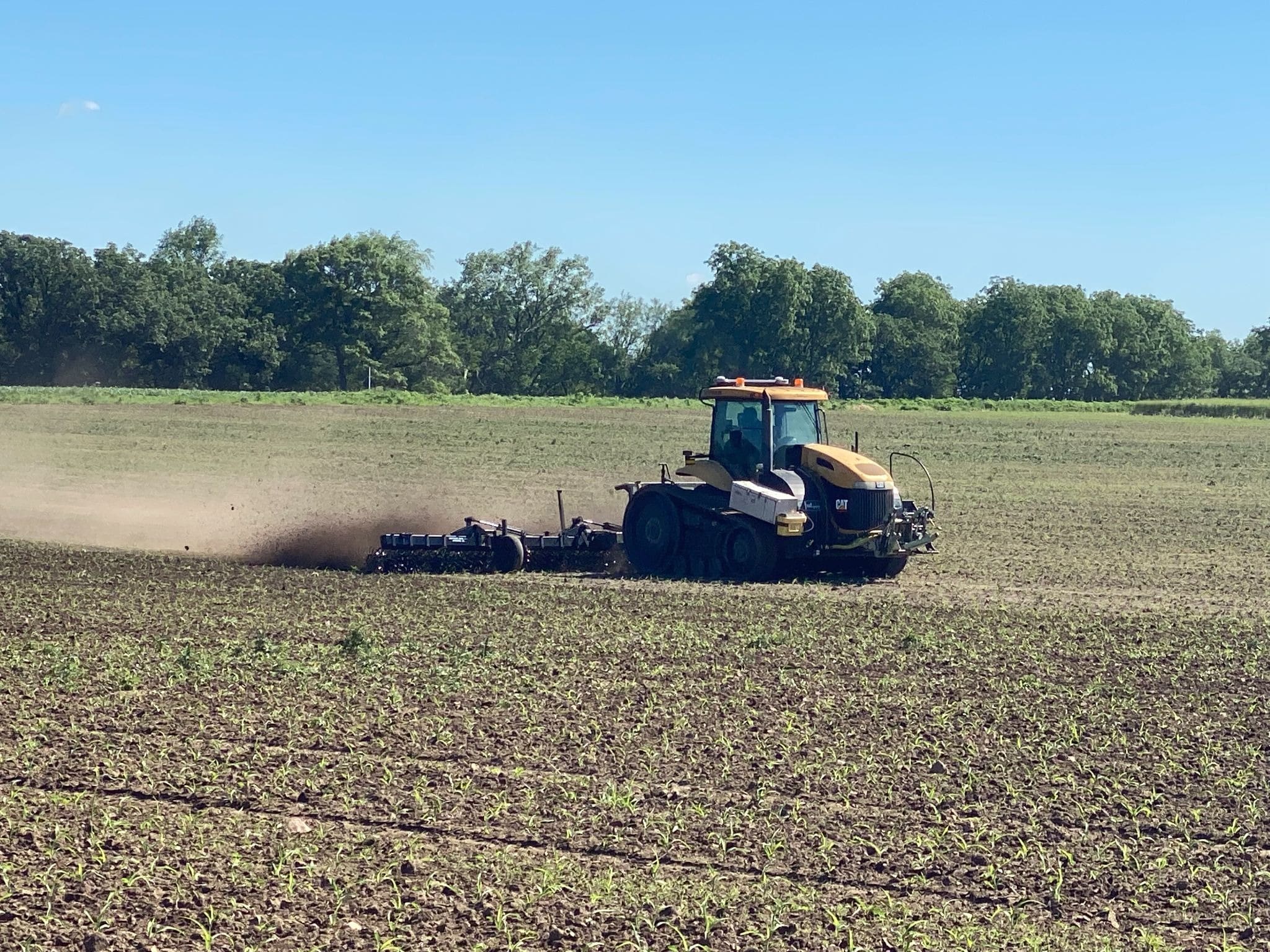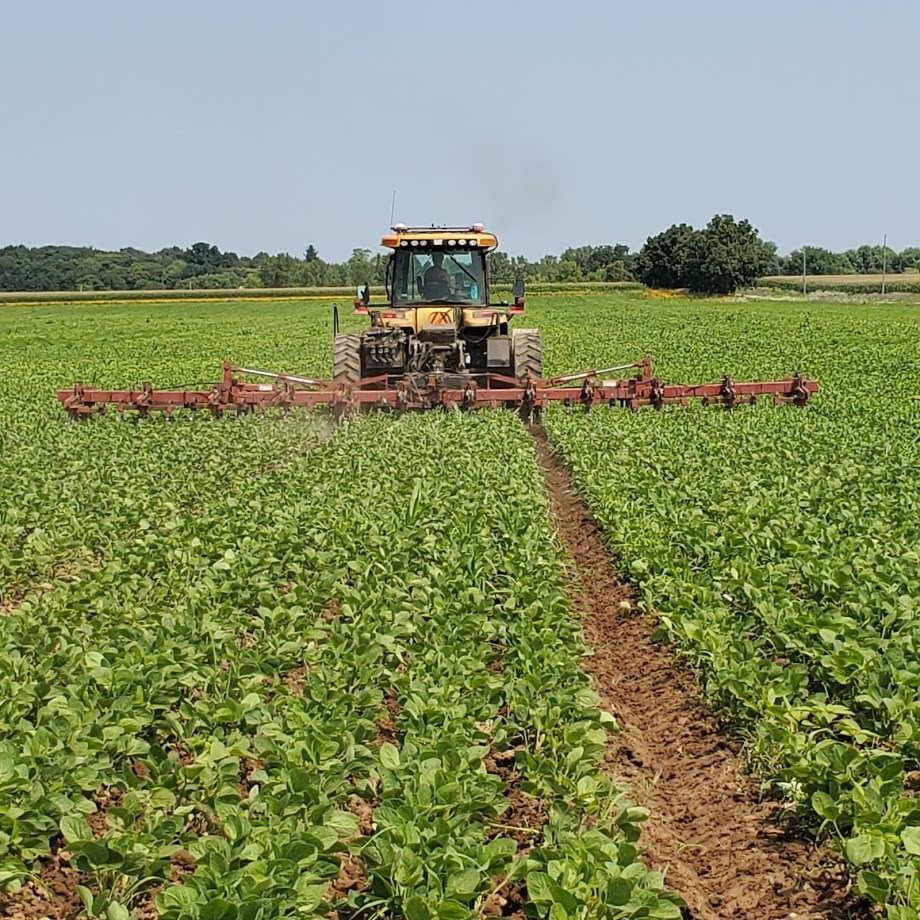
Every dollar spent on food goes somewhere. It either travels out of state to a distribution network you will never see, or it stays close to home, in the hands of the farmer who grew it, the co-op that stocked it, and the community that depends on both. In Wisconsin, a state built on family farming, that choice adds up to something bigger than any single purchase.
This is a look at what buying local Wisconsin food actually does for farmers, for communities, and for the long-term resilience of the state’s food system, along with practical ways to buy more local food without making it complicated.
Key Takeaways
● Money spent on local Wisconsin food recirculates in the local economy far more than money spent on food shipped in from out of state.
● Buying locally directly supports the survival of multi-generational family farms, many of which operate on thin margins against large-scale industrial competitors.
● A stronger local food system means more resilience during supply chain disruptions, since food does not depend on long, fragile shipping networks.
● Locally grown food is typically fresher and can retain more nutrients than food that has traveled long distances and sat in storage.
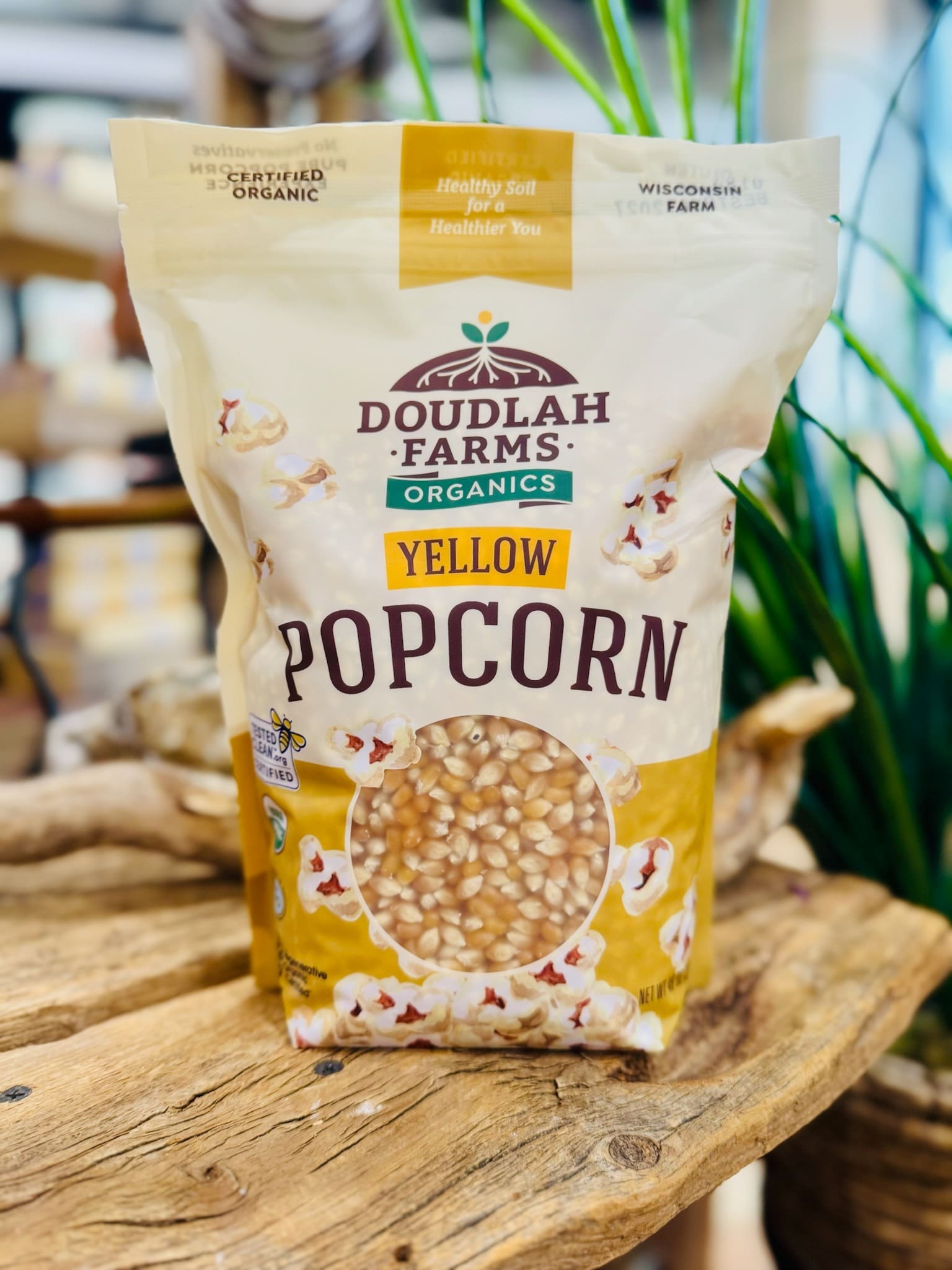
● Small, consistent choices, like buying beans, popcorn, or flour from a Wisconsin farm instead of a national brand, add up to meaningful support over time.
What “Local Food” Really Means in Wisconsin
Local food does not have one legally fixed definition, but in practice, for Wisconsin shoppers, it generally means food grown or produced within the state, or within a reasonably close radius, by a farm or producer you can actually trace back to a specific piece of land. That traceability is the real difference. A bag labeled organic from an unspecified national supply chain is a different thing entirely from a bag of beans you know came from a family farm in Evansville.
Why Buying Local Matters for Wisconsin Farmers
Keeping Dollars in the Local Economy
Economists refer to this as the local multiplier effect: money spent at a local farm or local business tends to get re-spent locally, at the local hardware store, the local mechanic, the local school fundraiser, in a way that money spent at a national chain generally does not. A dollar spent on Wisconsin-grown food circulates through the Wisconsin economy multiple times before it leaves. A dollar spent on food from an out-of-state or international supply chain typically leaves the community immediately.
Supporting Multi-Generational Family Farms
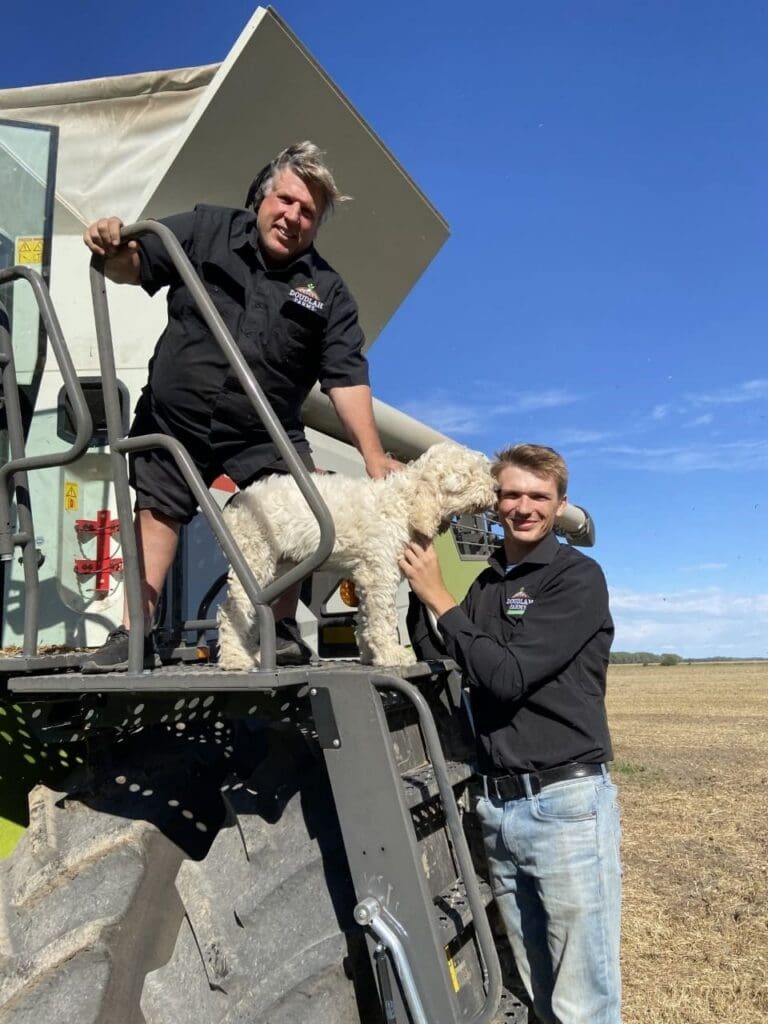
Wisconsin has long been defined by family farms, but that identity is under real pressure. Small and mid-sized farms compete against large-scale industrial operations that benefit from economies of scale that family farms simply cannot match. Every local purchase is a direct vote for keeping that multi-generational model alive, rather than watching farmland consolidate into fewer and larger operations over time.
Why Buying Local Matters for Wisconsin Communities
Food Security and Supply Chain Resilience
The last several years have made supply chain fragility impossible to ignore. A food system that depends on long shipping routes, national distribution centers, and just-in-time logistics is efficient right up until something disrupts it. A community with a strong web of local farms and producers has a genuine fallback that a community entirely dependent on national supply chains does not.
Fresher, More Nutrient-Dense Food
Food that travels thousands of miles is often harvested before full ripeness and bred for shelf stability during transport, which can come at the cost of flavor and nutrient density. Locally grown food generally reaches you faster, with less time between harvest and your kitchen table, which typically means better flavor and, in many cases, better nutrition.
The Environmental Case for Local Wisconsin Food
Shorter supply chains generally mean fewer food miles, less packaging built for long-distance shipping, and less reliance on refrigerated transport across the country. Local Wisconsin farms that also practice organic and regenerative methods add a second layer of environmental benefit on top of reduced transportation impact: healthier soil, better water retention, and less chemical runoff into the state’s lakes and rivers.
Preserving Wisconsin’s Agricultural Identity

Wisconsin’s identity is tied to its farmland in a way few other states can claim, from dairy country to the small grain and bean farms scattered across the southern part of the state. That identity is not guaranteed to last on its own. It persists because enough people continue to choose the products of that farmland over the alternative, generation after generation. Every local purchase is a small but real contribution to keeping that identity intact rather than letting it fade into a landscape of consolidated, corporate-owned agriculture.
How Doudlah Farms Fits Into Wisconsin’s Local Food System
We are a sixth-generation family farm rooted in Evansville, Wisconsin, and one commitment has stayed constant across those six generations: we do not outsource products from other countries when inventory runs low. What you buy from us is genuinely grown right here in Wisconsin, every time, not sourced from elsewhere to fill a gap.
You can read the full story of our farm, including Mark Doudlah’s father Earl, “The Boy with the Bucket,” and how that history shaped the way we farm today, on our About Us page. Our beans, popcorn, sunflower seeds, and stone-ground flours are grown on soil tested clean from over 220 chemicals, using USDA Organic, MOSA, Biodynamic, and Real Organic Project certified practices. You can learn more about what that means on our Beyond Organic page.
Our products are available directly online, and also through Willy Street Co-op in Madison, Woodman’s locations across Illinois, and specialty retailers nationwide. If you would like to find us in person, our Find Us page lists current retail locations.
Simple Ways to Buy More Local Food in Wisconsin
● Choose Wisconsin-grown pantry staples, like dry beans, popcorn, and stone-ground flours, over nationally distributed alternatives when you have the choice.
● Shop at co-ops and specialty grocers that prioritize carrying local Wisconsin producers.
● Buy directly from a farm’s website when possible, which puts the largest share of your dollar back into that farm’s operation.
● Look for actual origin information on packaging. “Grown in Wisconsin” and “distributed from Wisconsin” are two very different claims.
● Ask your local grocery store to carry more Wisconsin-grown products if you do not see the ones you are looking for.
● Plan pantry staples like beans and cornmeal around what a local farm grows, rather than defaulting to whatever is cheapest on a national shelf.
None of this requires an all-or-nothing approach. Even shifting a handful of regular pantry purchases, like dry beans, popcorn, or baking flour, toward Wisconsin-grown sources makes a measurable difference over the course of a year, without requiring a shopper to overhaul how or where they buy everything else.
Frequently Asked Questions About Buying Local in Wisconsin
What does it mean to buy local food in Wisconsin?
Buying local food in Wisconsin generally means purchasing food that was grown or produced within the state, or within a close, traceable radius, by a farm or producer whose origin can be specifically identified, rather than food sourced through a broad, unspecified national or international supply chain.
How does buying local food benefit the Wisconsin economy?
Buying local food benefits the Wisconsin economy through what economists call the local multiplier effect: money spent at a local farm tends to be re-spent within the local community multiple times, supporting other local businesses, whereas money spent at a national chain typically leaves the local economy immediately.
Why is supporting local farms important for food security?
Supporting local farms improves food security by reducing a community’s dependence on long, complex supply chains that can be disrupted by transportation issues, national shortages, or logistics failures. A community with an active network of local farms has an alternative food source that is not dependent on those external systems.
Is locally grown food more nutritious than food shipped from far away?
Locally grown food often reaches consumers with less time between harvest and consumption, which can mean better retained nutrients and flavor compared to food that has traveled long distances and been bred or harvested specifically for shelf stability during transport.
How can I tell if a product is genuinely grown in Wisconsin?
Look for specific origin information on packaging, such as the name of the farm and its location, rather than vague terms like “distributed from” or “packaged in.” Farms that are transparent about their sourcing, including whether they ever supplement inventory from outside sources, are generally the most reliable indicator of a genuinely local product.
Does buying locally cost more than buying national brands?
It can, though not always, and the cost difference often reflects the absence of the large-scale industrial subsidies and economies of scale that national brands benefit from. Many Wisconsin shoppers view the modest price difference as a direct investment in keeping local farms, and the broader local food economy, viable for future generations.
Your health is deeply rooted in our soil, and so is Wisconsin’s food system. Shop our sixth-generation, Wisconsin-grown products at
doudlahfarms.com/shop and keep your food dollars close to home.