Ask ten home cooks why they don’t cook dried beans, and nine of them will tell you the same thing: they don’t know how, or they tried once and ended up with a pot of beans that stayed hard no matter how long they simmered. It happens to almost everyone the first time. The good news is that cooking dried beans is not complicated once you know the handful of steps that actually matter.
We grow ten varieties of dry beans right here on our sixth-generation family farm in Evansville, Wisconsin, and we have picked up a few things over the years about getting them from bag to bowl. This guide walks you through exactly how to cook dried beans like a pro, from sorting and soaking through the final simmer, so your beans turn out creamy, evenly cooked, and full of flavor every single time.
Key Takeaways
● Dried beans cost less per serving than canned beans and give you full control over sodium and texture.
● Soaking is not always required, but it does shorten cooking time and can improve digestibility.
● Salt does not toughen bean skins the way old kitchen myths claim — added early, it actually helps beans cook evenly.
● Cooking time varies by variety: a small Black Bean cooks faster than a large Great Northern or Kidney Bean.
● Bean quality and freshness matter as much as technique. Older, poorly stored beans will never soften properly, no matter how long you cook them.
Why Cook Dried Beans Instead of Canned
Canned beans are convenient, and there is no shame in keeping a few in the pantry. But once you get comfortable cooking dried beans, most home cooks do not go back. Here is why it is worth the extra time.
The Flavor and Texture Difference
Dried beans that you cook yourself hold their shape better and take on the flavor of whatever you cook them with — a bay leaf, a piece of onion, a splash of stock. Canned beans are cooked in a factory, sealed, and often sit on a shelf for months before they reach your pantry. Home-cooked beans have a creamier interior and a skin that does not split and slough off the way many canned beans do.
The Cost Difference
A one-pound bag of dried beans yields roughly six cups of cooked beans — about the same as four to five cans. Pound for pound, dried beans are almost always the more affordable option, and buying in bulk sizes (we sell up to 25-pound bags) brings the cost down even further for families who cook beans regularly.
Control Over Sodium and Ingredients
When you cook dried beans yourself, you decide what goes in the pot. No added preservatives, no canning liquid, no guessing at sodium content. That matters if you are cooking for a family and trying to keep ingredient lists short and recognizable.
How to Cook Dried Beans, Step by Step
Here is the full process, from bag to bowl. Follow these steps, and you will end up with beans that are tender all the way through, not chalky in the center or blown out on the outside.
Step 1: Sort and Rinse
Spread your dried beans out on a light-colored plate or baking sheet and sort through them quickly. Occasionally,y a small stone or shriveled bean makes it through processing, and it is worth a quick look before they go in the pot. Rinse the beans in a colander under cool water until the water runs clear.
Step 2: To Soak or Not to Soak
Soaking is not strictly necessary, but it does two things: it shortens cooking time by roughly 25 to 30 percent, and many cooks find it makes beans easier to digest. If you are short on time, you can skip soaking entirely and simply add 30 to 45 extra minutes to your simmer time. If you have the time, soaking is worth it.
Step 3: The Long Soak Method
Cover your beans with at least three inches of cool water in a large bowl or pot and let them sit at room temperature for 8 to 12 hours, or overnight. Drain and rinse before cooking.
Step 4: The Quick Soak Method
If you forgot to soak overnight, bring your beans to a boil in a pot of water for two minutes, then remove from the heat, cover, and let sit for one hour. Drain and rinse before cooking, just as you would with the long soak method.
Step 5: Cooking the Beans
Place your soaked (or unsoaked) beans in a pot and cover with about two inches of fresh water or stock. Bring to a boil, then reduce to a gentle simmer and cover partially. Most varieties take 45 minutes to 2 hours on the stovetop, depending on size and freshness. Check for doneness by tasting a few beans — they should be creamy all the way through with no chalky center.
An Instant Pot or pressure cooker will cut that time to 20 to 35 minutes on high pressure with a natural release, and a slow cooker will take 6 to 8 hours on low. All three methods work well; choose whichever fits your day.
Step 6: Salting and Seasoning Timing
Old kitchen wisdom says to wait until beans are fully cooked before adding salt, warning that early salt will toughen the skins. Modern testing has largely debunked that myth — salting your cooking water from the start actually seasons beans more evenly and does not meaningfully affect texture. What does matter is acid: hold off on tomatoes, vinegar, or citrus until the beans are already tender, since acid genuinely does slow down the softening process.
Common Mistakes When Cooking Dried Beans
● Cooking beans that are too old. Beans do not spoil, but they do dry out further over time and take longer to soften the older they get.
● Boiling too hard. A rolling boil can cause bean skins to split before the interior is fully cooked. A gentle simmer is gentler on the skin.
● Adding acidic ingredients too early. Tomatoes, wine, or vinegar added before the beans are tender will stall the cooking process.
● Not tasting for doneness. Beans can look done on the outside while the center is still firm. Always taste a few before pulling the pot off the heat.
How Long Does It Take to Cook Dried Beans?
Cooking times vary by variety, size, and freshness. As a general guide for stovetop simmering after soaking:
● Black Beans: 45 to 60 minutes
● Cranberry Beans: 45 to 60 minutes
● Kidney Beans: 60 to 90 minutes
● Great Northern Beans: 60 to 90 minutes
Unsoaked beans will take roughly 25 to 45 minutes longer across all varieties. This is one more reason bean freshness matters: a bag of dried beans that has been sitting in a warehouse or on a shelf for a year or more will simply take longer to soften, sometimes never fully softening at all.
Storing and Freezing Cooked Beans
Cooked beans keep well in the refrigerator for four to five days in an airtight container, submerged in their cooking liquid to stay moist. For longer storage, cooked beans freeze beautifully for up to six months. Portion them into freezer bags with a little cooking liquid, flatten the bags for quick thawing, and you will have a homemade substitute for canned beans ready anytime a recipe calls for them.
Why Bean Quality Matters More Than People Realize
Technique gets beans most of the way there, but the beans themselves matter just as much. Freshness, growing conditions, and how a crop was handled after harvest all affect how evenly a bean cooks and how it tastes in the finished dish.
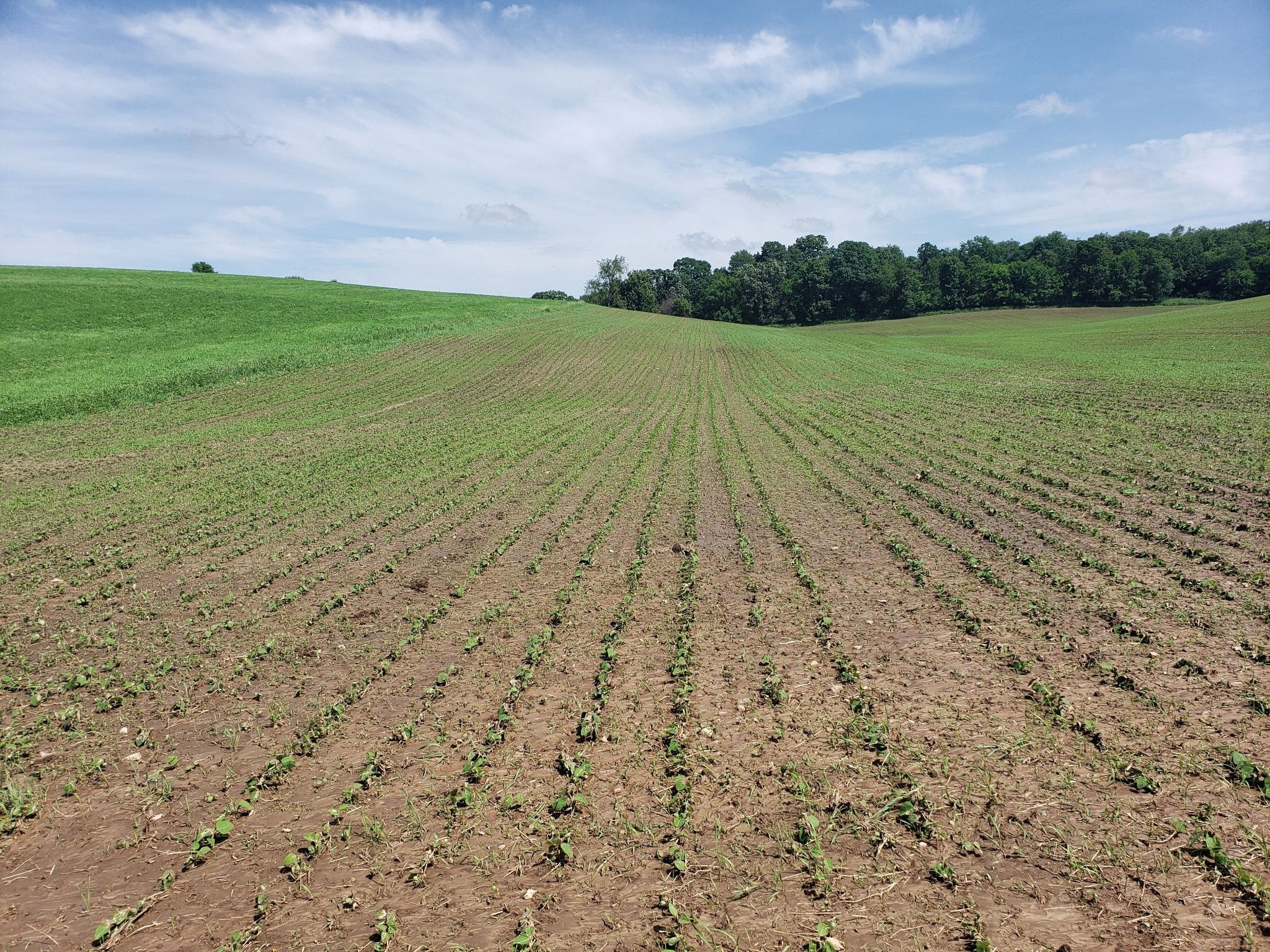
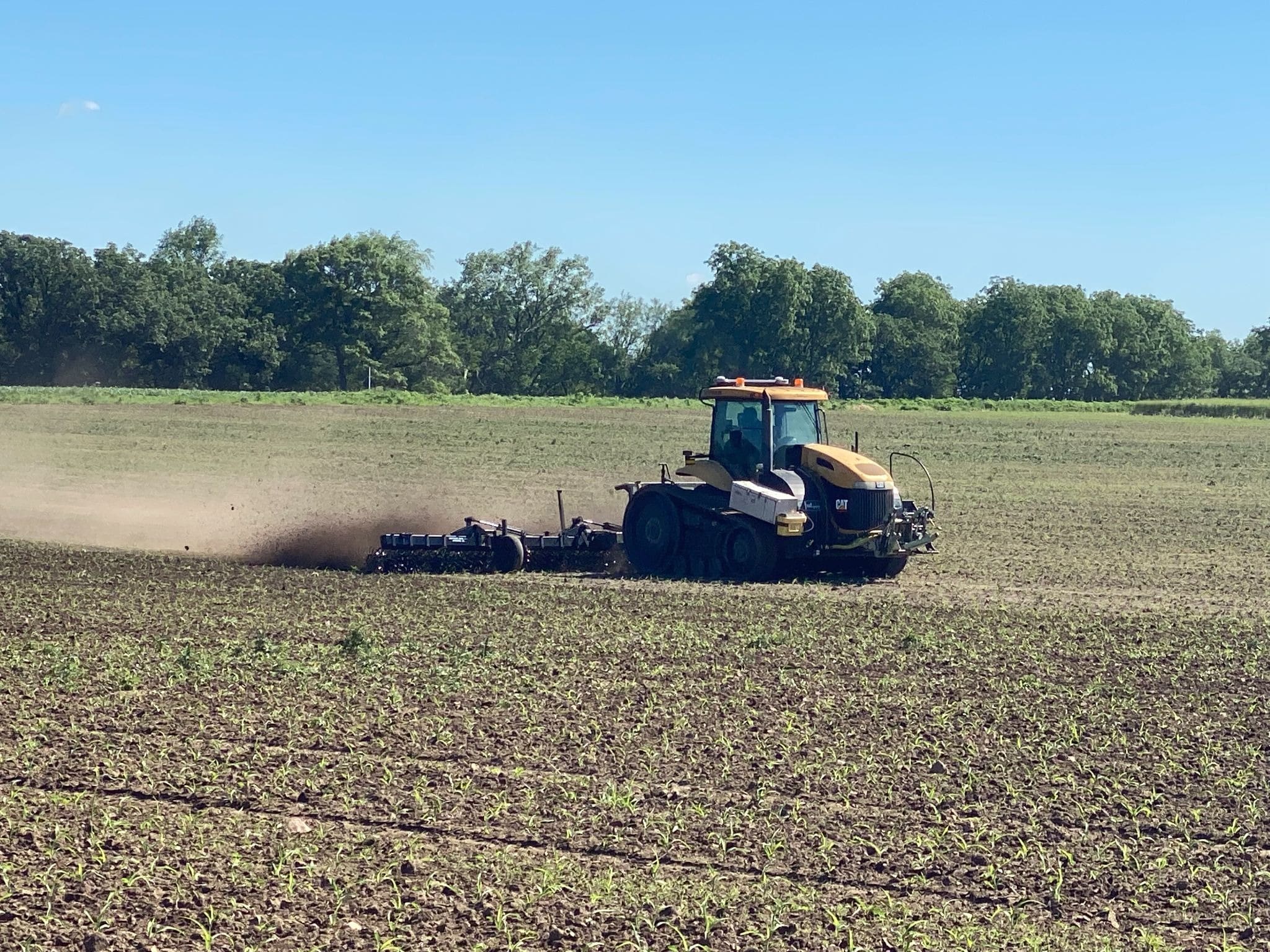
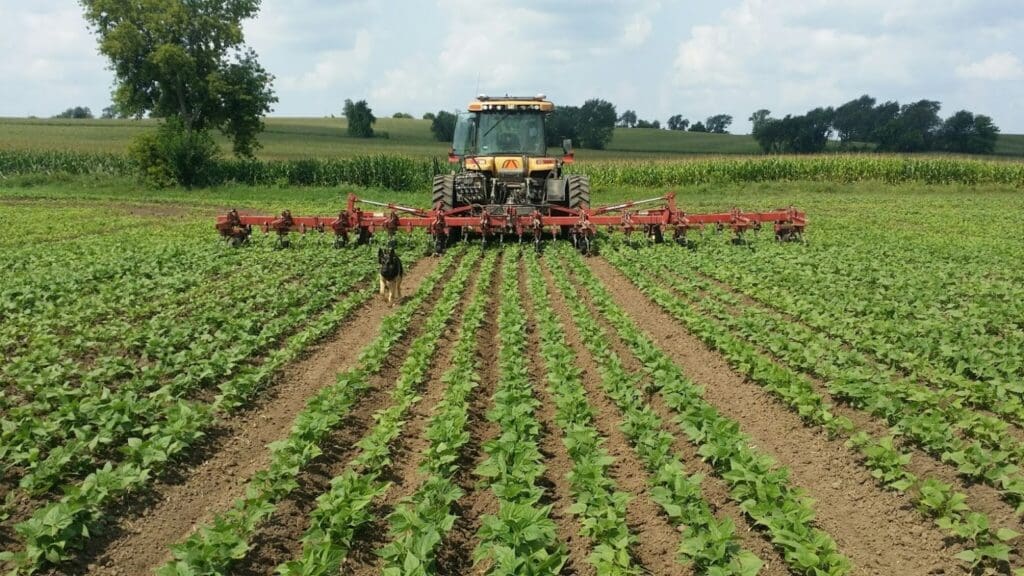
This is part of why we test every batch we grow. Our beans are grown right here in Wisconsin soil that is tested clean from over 220 chemicals, including glyphosate, using USDA Organic, MOSA, Biodynamic, and Real Organic Project certified practices. You can read more about what that means on our Beyond Organic page, but the short version is this: healthy soil grows a better bean, and a better bean cooks more evenly and tastes better in your pot.
Looking for more ideas once your beans are cooked? Our recipe collection has simple, family-tested ways to put them to work, from weeknight soups to slow-cooked chilis.
Frequently Asked Questions About Cooking Dried Beans
How long do you cook dried beans on the stove?
Most dried beans take 45 minutes to 2 hours to cook on the stovetop at a gentle simmer, depending on the variety and whether they were soaked first. Smaller beans like black beans or cranberry beans cook faster, typically 45 to 60 minutes, while larger beans like kidney beans or great northern beans can take 60 to 90 minutes or more.
Do you have to soak beans before cooking them?
No, soaking is not required, but it shortens cooking time by roughly 25 to 30 percent and can make beans easier to digest. If you skip soaking, simply add 30 to 45 extra minutes to your cooking time and make sure the beans stay covered with enough water throughout the simmer.
Does adding salt early make dried beans tough?
No. This is a common kitchen myth. Salting the cooking water from the beginning seasons beans more evenly throughout and does not meaningfully toughen the skins. What actually slows down softening is acid — ingredients like tomatoes, vinegar, or citrus should be added only after the beans are already tender.
Why won’t my dried beans get soft, no matter how long I cook them?
The most common cause is age. Dried beans that have been stored for a long time, especially in a warm or humid environment, lose moisture and become increasingly resistant to softening, sometimes never fully cooking through. Hard water and high mineral content can also slow softening. Using fresher beans and, if needed, filtered water solves most cases.
How long do cooked dried beans last in the refrigerator or freezer?
Cooked beans keep for four to five days in the refrigerator when stored in an airtight container submerged in their cooking liquid. In the freezer, cooked beans stay in good condition for up to six months, making them a convenient homemade alternative to canned beans.
How many dried beans equal one can of beans?
Roughly one-third to one-half cup of dried beans, once cooked, equals one standard 15-ounce can of beans (about 1.5 cups). A full one-pound bag of dried beans yields approximately six cups cooked, or the equivalent of four to five cans.
Your health is deeply rooted in our soil, and it starts with the beans you put in the pot. Explore our full lineup of Wisconsin-grown, tested-clean dry beans at
doudlahfarms.com/shop and taste the difference real soil makes.