Walk down the flour aisle today, and you will see spelt, buckwheat, and other names that sound more like history lessons than pantry staples. That is because they are history. Ancient grains are varieties that have been grown in largely the same form for hundreds or even thousands of years, long before modern wheat breeding reshaped what ends up in most bags of flour on grocery shelves.
If you have wondered what ancient grains are, exactly, and whether they are worth switching to, this guide breaks it down in plain terms — what they are, how they differ from modern wheat, what they offer nutritionally, and how to start cooking and baking with them at home.
Key Takeaways
● Ancient grains are varieties that have remained largely unchanged for centuries, unlike modern wheat, which has been extensively cross-bred.
● Common ancient grains include spelt and buckwheat, both of which mill into flour with distinct flavor and nutrition profiles.
● Ancient grains generally offer more fiber, protein, and micronutrients per serving than highly refined modern flour.
● Stone-ground milling preserves more of the grain’s natural nutrients and flavor compared to high-heat industrial milling.
● Ancient grains can typically be substituted into recipes with small adjustments to liquid and gluten expectations.
What Are Ancient Grains, Exactly?
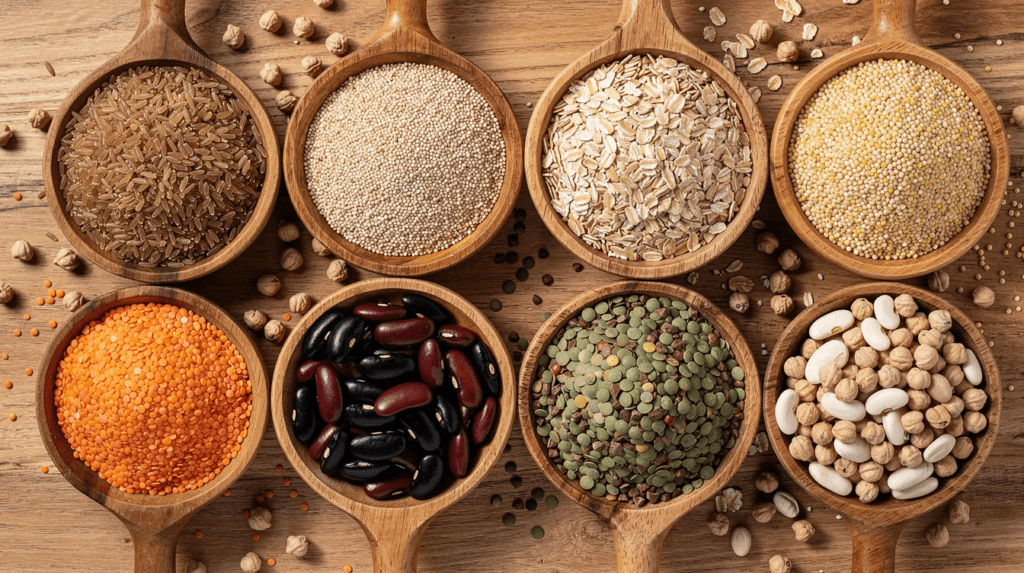
There is no single official rulebook that decides what counts as an ancient grain, but the term is generally used for grain varieties that have been cultivated for centuries in a form close to their original genetics, without the intensive selective breeding that transformed modern wheat, corn, and rice into the high-yield varieties most common today.
The Simple Definition
Think of it this way: modern wheat has been bred over the last century specifically to produce more grain per acre, more gluten strength for commercial baking, and more uniformity for industrial milling. Ancient grains largely skipped that process. They are closer to the plants your great-great-grandparents would have recognized.
Ancient Grains vs. Modern Wheat
Modern wheat is bred for yield and baking performance first, with nutrition as a secondary consideration. Ancient grains tend to have a different, often more complex flavor, a different gluten structure (some, like spelt, still contain gluten but in a form many people find easier to digest), and a nutrient profile that has not been diluted by generations of yield-focused breeding.
Common Types of Ancient Grains
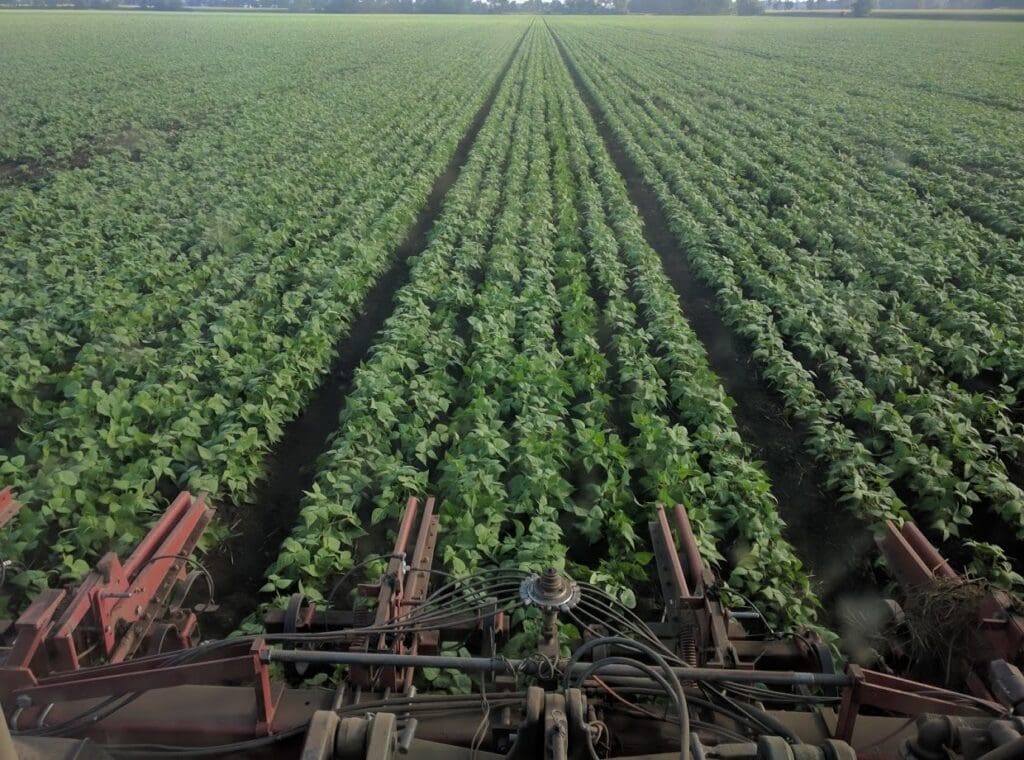
There are dozens of grains that fall under the ancient grains umbrella globally, but a few show up most often in American kitchens and on farms like ours here in Wisconsin.
Spelt
Spelt is a cousin of modern wheat with a nutty, slightly sweet flavor. It does contain gluten, so it is not suitable for anyone with celiac disease, but many people who are sensitive to modern wheat find spelt easier to tolerate. Spelt flour works well in bread, pancakes, and muffins, usually with a small adjustment to liquid since it absorbs moisture differently than modern wheat flour.
Buckwheat
Despite the name, buckwheat is not wheat at all and contains no gluten. It is technically a seed, related to rhubarb, and has an earthy, robust flavor. Buckwheat flour is a staple in pancakes, soba noodles, and traditional Eastern European baking, and it is naturally gluten-free, which makes it a popular choice for people avoiding gluten entirely.
Other Ancient Grains Worth Knowing
Beyond spelt and buckwheat, you will also see einkorn, emmer (farro), and kamut mentioned in the ancient grains conversation. Each has its own history and culinary use, but they share the same core idea: minimal modern breeding, distinct flavor, and a nutrient density that has not been bred out over generations.
Nutritional Benefits of Ancient Grains
Ancient grains, especially when stone-ground into whole-grain flour, tend to retain more of the fiber, protein, B vitamins, iron, and magnesium found in the whole kernel. Highly refined modern flour strips away the bran and germ during processing, removing much of that nutrition along with it.
● Higher fiber content supports digestion and helps you feel full longer.
● More complete protein profile compared to refined modern flour.
● Retained bran and germ means more B vitamins, iron, magnesium, and antioxidants.
● Lower glycemic impact in many cases, since fiber slows the release of sugar into the bloodstream.
How Ancient Grains Are Grown and Milled
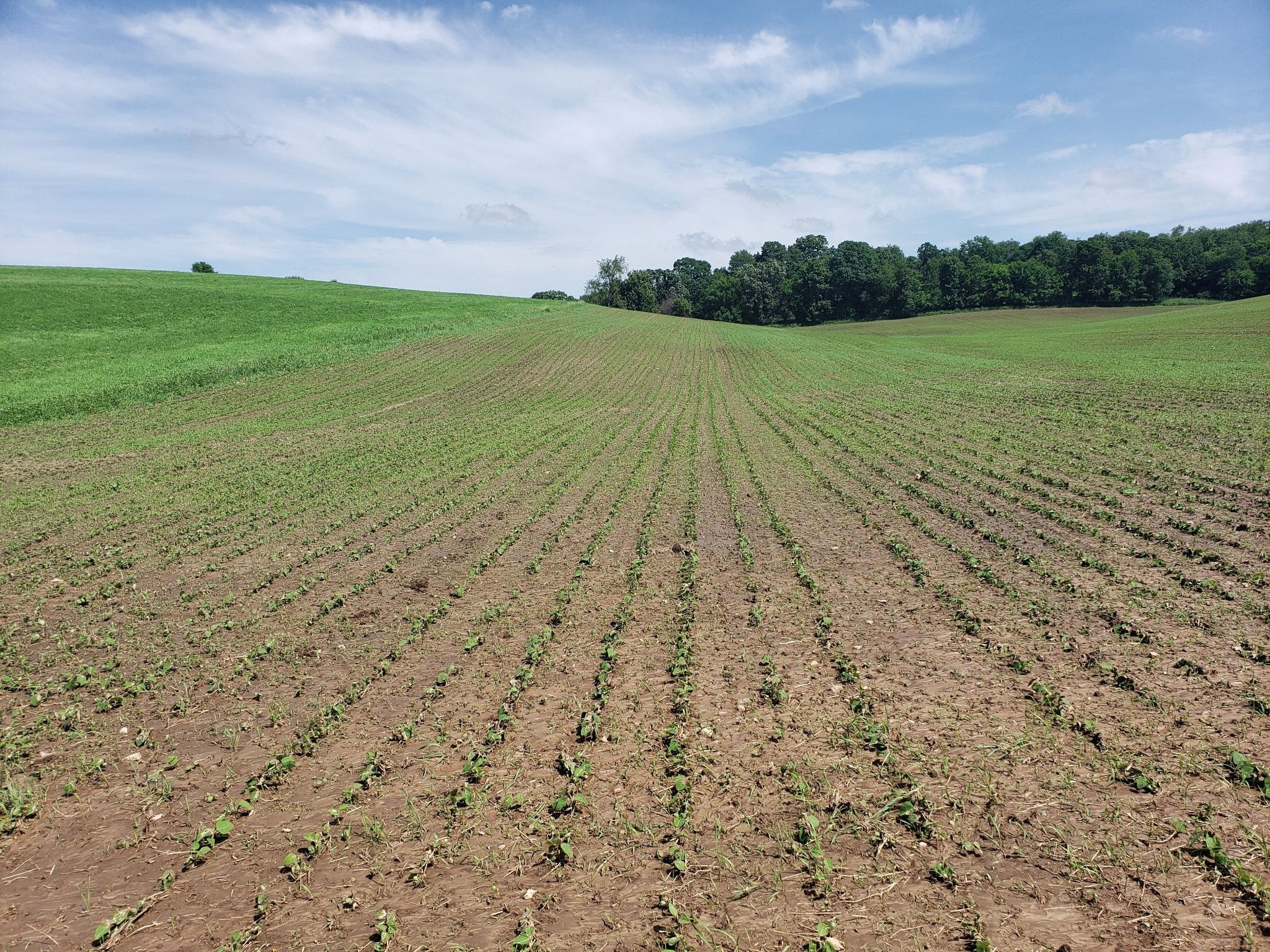
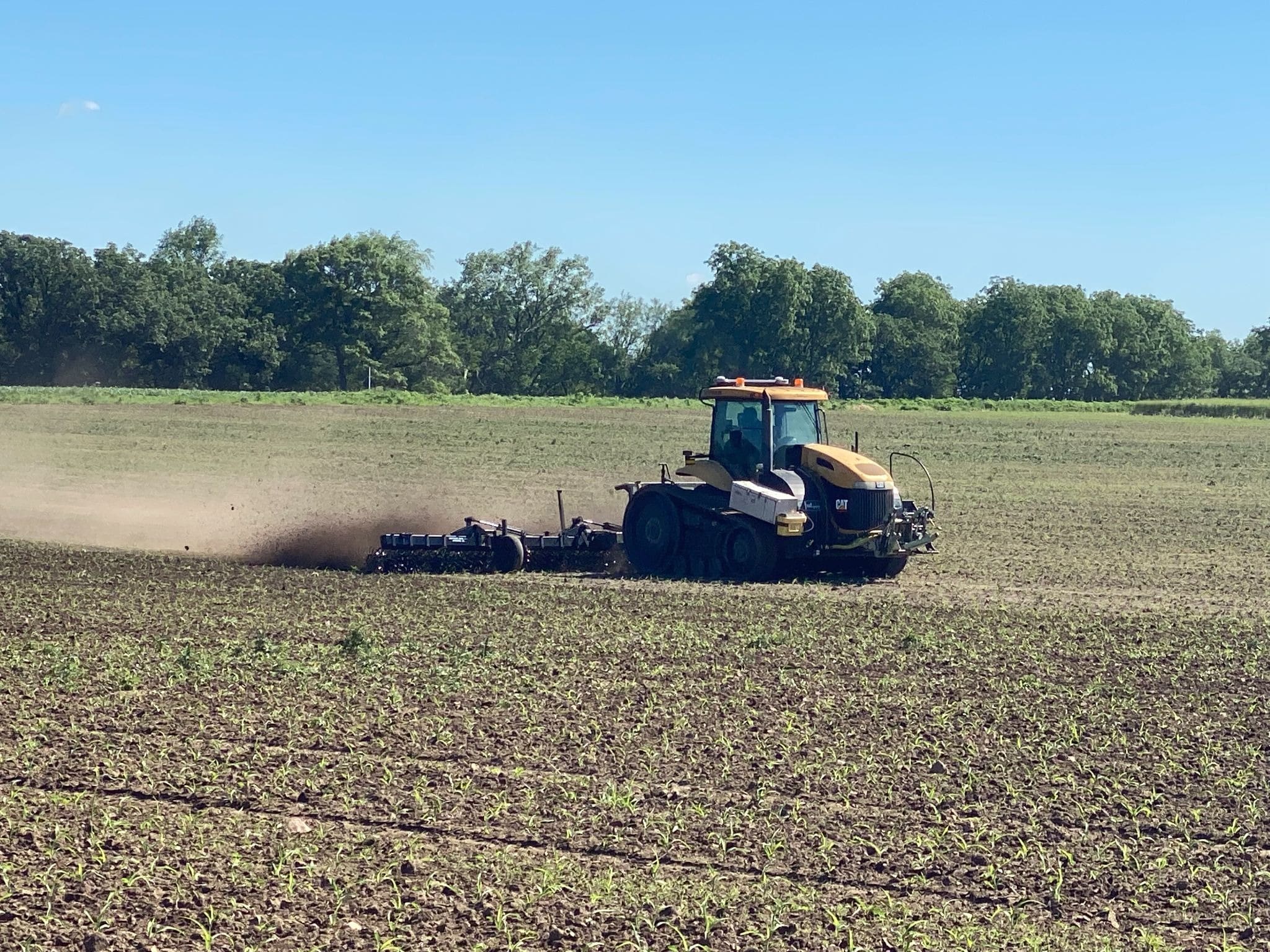
Ancient grains are generally lower-yielding than modern wheat varieties, which is part of why they disappeared from mainstream agriculture for a long stretch of the 20th century. Growing them well takes patience and a farming approach that prioritizes soil health over maximum output.
How a grain is milled matters just as much as how it is grown. We stone-grind our spelt, buckwheat, cornmeal, and other ancient grain flours in small batches, which keeps the milling temperature low and preserves more of the natural oils, flavor, and nutrition than high-speed industrial roller mills. You can see the full lineup on our shop page.
How to Cook and Bake With Ancient Grains
Substituting Ancient Grain Flour in Recipes
A good starting point is replacing 25 to 50 percent of the all-purpose flour in a familiar recipe with an ancient grain flour like spelt. This lets you get comfortable with the flavor and texture changes before committing to a full substitution. Buckwheat flour, being gluten-free and more assertive in flavor, generally works best in recipes designed around it, like pancakes or soba-style noodles, rather than as a full substitute in a standard bread recipe.
Baking Tips for Ancient Grain Flours
● Spelt flour absorbs liquid differently than modern wheat, so start with slightly less liquid and add more as needed.
● Spelt gluten is more delicate, so avoid over-kneading bread dough, which can cause it to break down rather than strengthen.
● Buckwheat flour has no gluten, so it needs a binder like eggs or a gluten-containing flour blended in for structure in most baked goods.
● Store ancient grain flours in the refrigerator or freezer. Because they retain more natural oils from the germ, they can go rancid faster than highly refined flour at room temperature.
Why Soil Health Matters for Ancient Grains
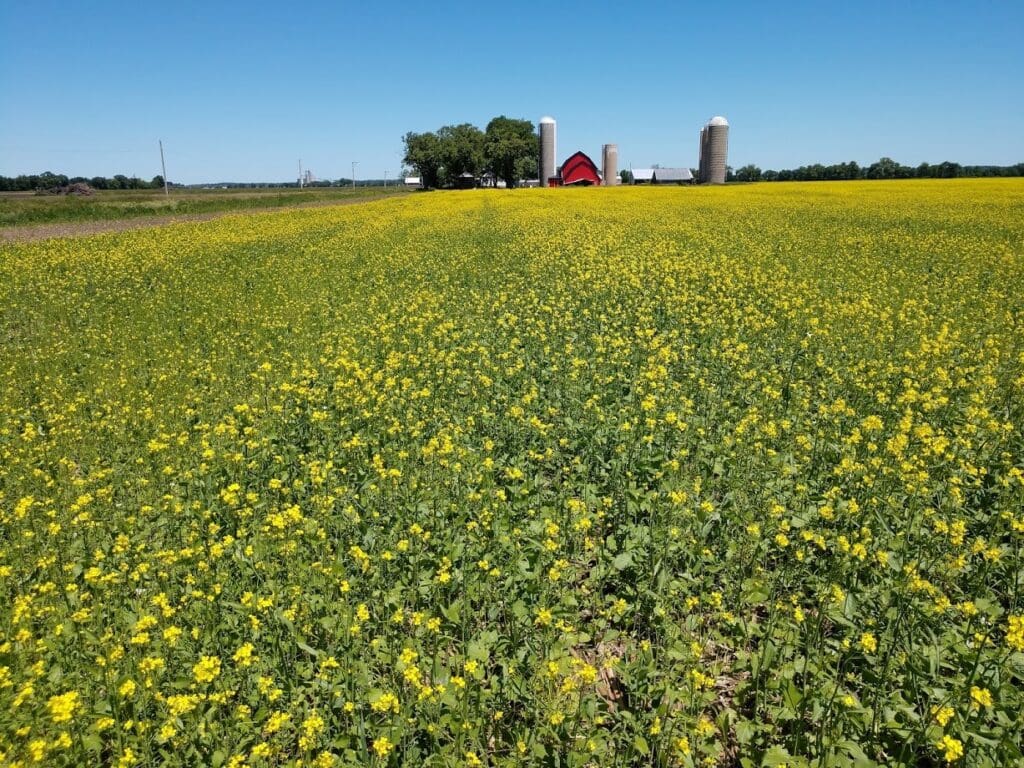
An ancient grain grown in depleted, chemically-dependent soil will not deliver the nutrient density that makes these grains worth seeking out in the first place. The whole premise of an ancient grain — a nutrient-dense, minimally-altered crop — depends on the soil it is grown in being just as healthy as the seed itself.
That is the connection at the center of everything we do. Our grains are grown using USDA Organic, MOSA, Biodynamic, and Real Organic Project certified practices, on soil tested clean from over 220 chemicals. You can learn more about what those certifications actually mean on our certifications page. Healthy soil grows healthy grain, and that is not a marketing line — it is the whole reason ancient grains are worth the extra attention.
Ready to try them in your own kitchen? Our recipe collection includes simple ways to start baking with stone-ground ancient grain flours.
Frequently Asked Questions About Ancient Grains
What are ancient grains?
Ancient grains are grain varieties that have remained largely unchanged for centuries, unlike modern wheat and other crops that have undergone extensive selective breeding for higher yield and industrial baking performance. Common examples include spelt, buckwheat, einkorn, and farro.
Are ancient grains healthier than modern wheat?
Ancient grains, particularly when stone-ground into whole-grain flour, generally retain more fiber, protein, and micronutrients than highly refined modern wheat flour. This is because ancient grains have not been bred primarily for yield, and stone-grinding preserves the bran and germ that industrial roller milling often removes.
Does spelt contain gluten?
Yes. Spelt is a wheat relative and does contain gluten, so it is not appropriate for people with celiac disease. However, many people who are sensitive to modern wheat report that spelt is easier to digest, likely due to its different gluten structure.
Is buckwheat a grain, and is it gluten-free?
Buckwheat is not a true cereal grain and is not related to wheat at all — it is a seed related to rhubarb. It is naturally gluten-free, making it a popular choice for people avoiding gluten while still wanting the flavor and nutrition of a whole-grain-style ingredient.
How do I substitute ancient grain flour in a regular recipe?
A good starting point is replacing 25 to 50 percent of the all-purpose flour called for in a recipe with an ancient grain flour like spelt, adjusting the liquid slightly since ancient grain flours often absorb moisture differently. Buckwheat flour, since it contains no gluten, works best in recipes specifically designed around it, such as pancakes or noodles.
Why does stone-ground flour matter?
Stone-grinding mills grind grain at a lower temperature than high-speed industrial roller mills, which helps preserve the natural oils, flavor compounds, and nutrients found in the bran and germ of the grain. Industrial milling often strips these components out and generates more heat, reducing nutrient retention.
Your health is deeply rooted in our soil — and that starts with how a grain is grown, not just how it’s milled. Explore our stone-ground ancient grain flours at