Free Shipping when you spend $50! SHOP NOW!

What is Regenerative Agriculture? Farming for Healthier Soil, Food, and Future

A colorful collage-style image featuring gardening tools, seeds, plants, gloves, boots, bees, and a pointing hand, with “Regenerative Farming” in large text on a green oval—celebrating farming practices for healthier soil.

At Doudlah Farms, we believe better food begins with better farming. That’s why we practice regenerative agriculture—a holistic approach that restores soil health, boosts biodiversity, and helps fight climate change. By working with nature, not against it, we’re growing nutrient-rich food, rebuilding ecosystems, and creating a healthier future for people and the planet.

Regenerative Farming: Healing the Land with Every Harvest

A field of wildflowers with yellow black-eyed Susans and light blue chicory flowers blooming among green grass on a sunny day.

As the global community grapples with climate change, biodiversity loss, and soil degradation, regenerative farming emerges as a beacon of hope. This holistic approach prioritizes soil health, carbon sequestration, and organic farm practices to create sustainable food systems that restore and enhance the natural resources agriculture depends upon

Stone Ground Flour: Comparing Stone-Ground vs. Roller-Milled Organic Flour

A small cloth pouch filled with stone ground flour is placed on a wooden surface, surrounded by golden wheat stalks.

Flour is the foundation of countless recipes, and the way it’s milled greatly impacts the flavor, texture, and nutritional quality of the baked goods it produces. Understanding the differences between stone-ground flour and roller-milled flour can help you choose the best organic flour for your baking needs, whether you’re making rustic sourdough bread or delicate pastries.

Discovering Organic Farms in Wisconsin: Where Fresh, Healthy Food Begins

A field of wildflowers with yellow black-eyed Susans and light blue chicory flowers blooming among green grass on a sunny day.

Explore Wisconsin’s thriving organic farming scene with our comprehensive guide to certified organic farms. Discover local organic produce, pasture-raised meat, CSA programs, and farmers markets. Learn about sustainable farming practices, meet Wisconsin organic farmers, and find the freshest, healthiest food grown with care for both your family and the environment.

DFO Supports CSAs: How Farmer Supports Farmer

Four people stand in a green vegetable field, smiling. As two shake hands and two hold baskets of fresh produce, they embody the spirit of Community Supported Agriculture (CSA) and the rewards of supporting the local food system.

Discover how Doudlah Farms Organics champions Community Supported Agriculture (CSA) programs through farmer-to-farmer support. Learn about the CSA model’s shared risk and reward system, membership benefits, and how these partnerships strengthen local food systems while providing fresh, seasonal produce directly from farm to table.

The Nutritional Power of Beans: Why They Should Be in Your Diet

A hand holds a spoonful of colorful salad with kidney beans, corn, mung beans, and sliced red bell peppers above a bowl filled with the same ingredients. Crackers and vegetables are visible on the side.

Unlock the incredible nutritional power of beans with this comprehensive guide. Learn how beans provide plant-based protein, dietary fiber, and essential nutrients that support heart health, prevent cardiovascular disease, and aid weight management. Discover various bean types, cooking methods, and delicious ways to incorporate these nutritional powerhouses into your daily meals for optimal wellness.

How to Identify Organic Products: A Truly Comprehensive Label-Reading Guide

A grocery store refrigerator section labeled Organic displays fresh produce such as cucumbers, tomatoes, and packaged vegetables arranged neatly on shelves.

Master the art of identifying genuine organic products with this comprehensive guide. Learn to recognize the USDA Organic seal, understand labeling categories, and read nutrition facts like a pro. Discover how to separate real organic certification from marketing buzzwords and make informed choices that support your health and environmental values.

Stone Ground Flour vs. Roller-Milled Organic Flour: Which Is Better?

A wooden scoop filled with white rice flour rests on a wooden surface, surrounded by a pile of rice flour and stalks of unhulled rice.

When choosing organic flour, bakers face a crucial decision between stone-ground and roller-milled options. These traditional milling methods significantly impact flavor, texture, and nutritional value. Stone-ground flour preserves the entire grain kernel, delivering superior nutrition and complex flavors, while roller-milled flour offers consistency and refined texture for delicate baking applications.

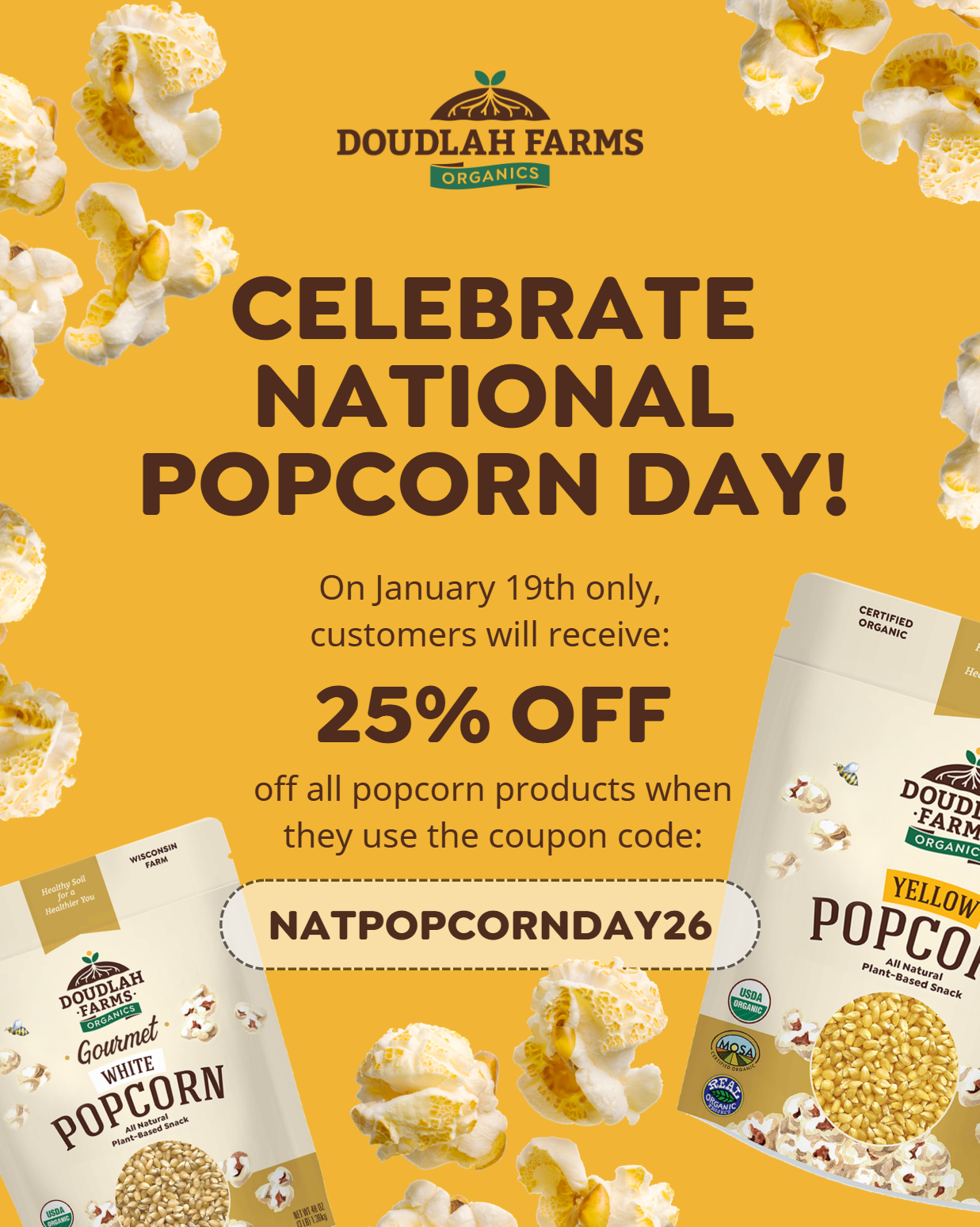
national popcorn day