Short answer: Air-popped popcorn is the healthiest of the three methods. It pops with hot air instead of oil, so about three cups stay near 90 calories with no added fat. Stovetop is second, giving you flavor control but adding oil calories. Microwave bags come last because of the added oils, artificial flavoring, and bag coatings.

Popcorn is one of the most beloved snacks around. Light, crunchy, and endlessly versatile, it can be part of a movie night, a quick afternoon bite, or even a healthier alternative to chips. But the big question is: which cooking method makes the healthiest popcorn? Whether you reach for microwave popcorn, prefer stovetop popping in a pan, or rely on air poppers, the cooking process can make a major difference in nutrition, flavor, and overall health benefits.
Introduction to Healthiest Popcorn Cooking Methods
Popcorn is a classic snack that can be made in several delicious ways, each with its own unique cooking process and resulting flavor. The three most popular cooking methods are air popping, stove-top popping, and microwave popping. Air poppers use hot air to pop the popcorn kernels, creating a lighter, fluffier snack with minimal added fat. Stove-top popping relies on hot oil to cook the kernels, which brings out a richer flavor and a crunchier texture. Microwave popping is all about convenience, using steam food technology inside the bag to quickly pop the kernels. Each of these cooking methods affects the taste, texture, and health profile of your popcorn, so understanding how hot air, hot oil, and steam work can help you choose the best way to pop your next bowl of popcorn. Whether you prefer the lighter feel of air-popped popcorn, the bold flavors from stove-top cooking, or the quick results from the microwave, there’s a method to suit every snack craving.
Microwave Popcorn: Convenient, But Not Always Clean
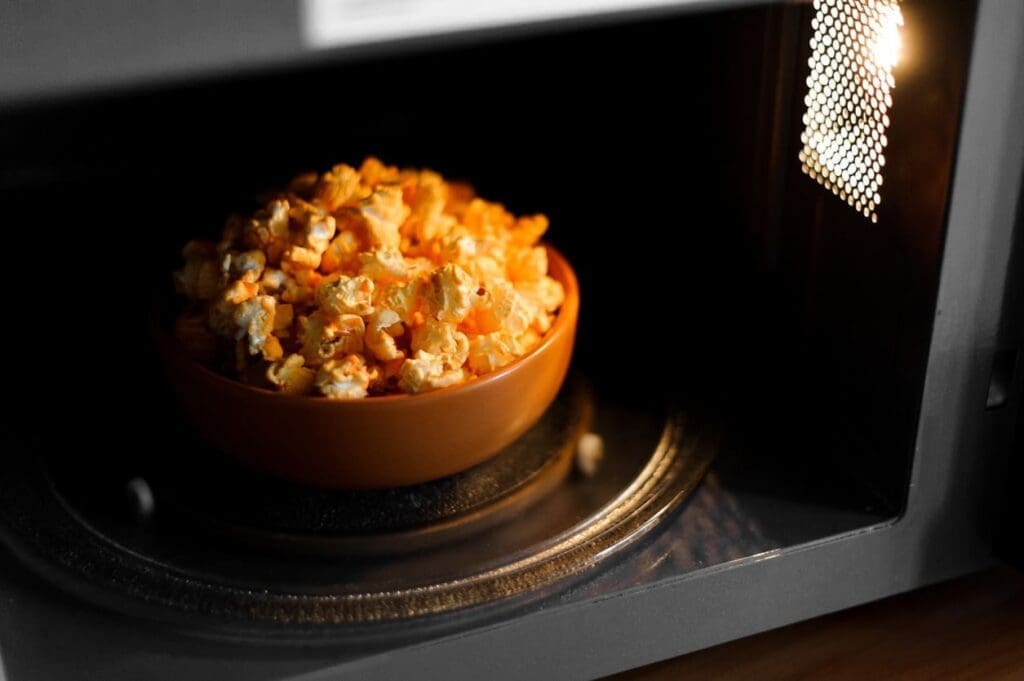
Microwave popcorn is popular because it’s fast and simple. Toss the bag in, hit “pop,” and within minutes you have hot, fluffy popcorn ready to eat. Microwave popcorn relies on rapid heating to pop the kernels. Some people use a microwave popcorn bowl, which is a reusable dish designed for popping kernels in the microwave. But convenience often comes at a cost:
- Bags often contain artificial flavorings, added oil, and too much salt.
- Some varieties include chemical coatings that release under high heat, raising safety concerns.
- You’ll frequently end up with more unpopped kernels compared to other cooking methods.
- Some microwave popcorn brands contain added sugar, which can impact the healthiness of the snack.
While microwave popcorn may be tasty, it’s not always the healthiest popcorn. Still, if you choose organic, non-GMO kernels and avoid heavily processed brands, it can be a decent option in moderation.
For added convenience, many microwave popcorn bowls are dishwasher safe, making for easy cleanup after use, and can also be cleaned by hand wash if preferred.
Stovetop Popcorn: Classic and Customizable
Making popcorn on the stovetop is an old-school cooking technique that never goes out of style. Stovetop methods require oil for popping the kernels, which helps achieve a rich, flavorful snack with a satisfying texture. With a pot, a little hot oil, and quality popcorn kernels, you can create a delicious treat.
Some people also experiment with roasting popcorn in the oven for a different texture and flavor profile.
Advantages of stovetop healthiest popcorn:
- You control the cooking oil (such as olive oil) and seasonings.
- Can be made in a Whirley Pop, Dutch oven, or even with a butter warmer.
- Great for experimenting with garlic, cheese, or even a cheesy flavor using nutritional yeast.
However, stovetop popping requires oil, which adds fat and calories. If you overdo the butter or melt butter on top, the calorie count rises even higher. That said, with light oils and moderation, stovetop can deliver the best tasting popcorn with a good balance between health and flavor.
Air-Popped Popcorn: The Clear Winner
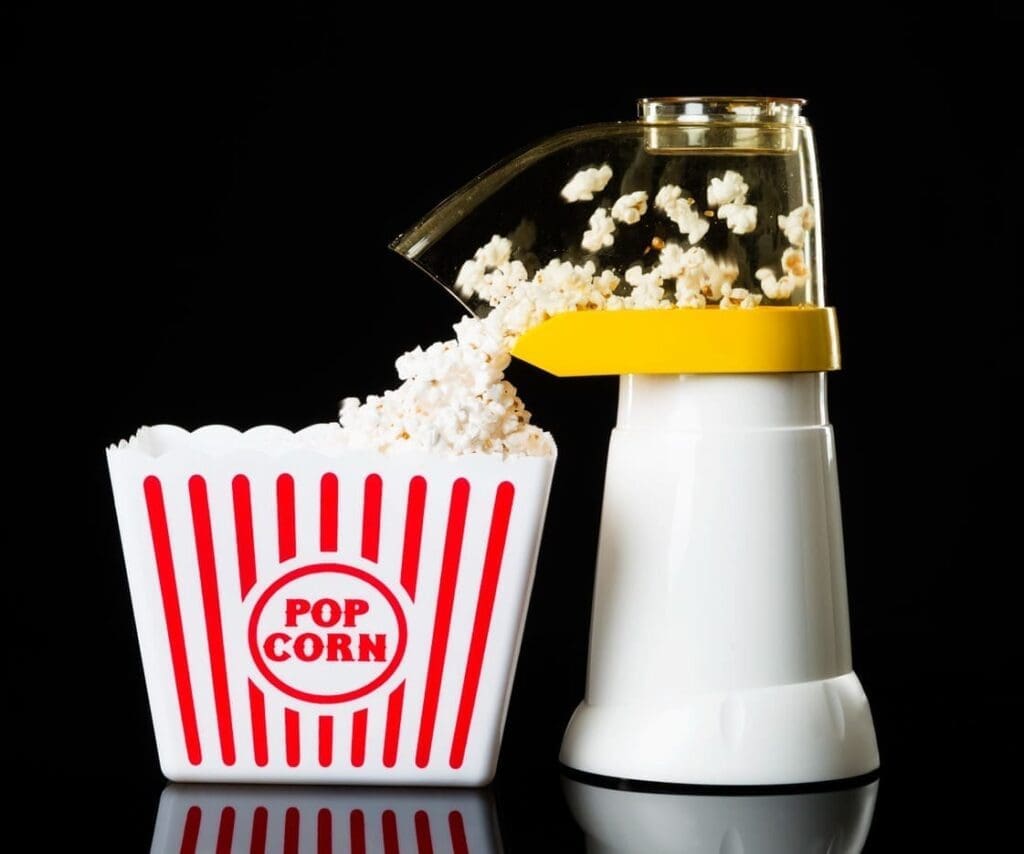
When it comes to nutrition, air-popped popcorn comes out on top. Air poppers use a high temperature fan to pop the kernels without oil, so this method requires no added fat in the cooking process, making it the lowest-calorie option.
Benefits of air-popped popcorn include:
- No added oils or fats
- Lower calorie count compared to other methods
- Ability to use your own kernels for more control over ingredients and flavor
- Nearly all air poppers produce well-popped popcorn with minimal unpopped kernels
To avoid excess steaming, which can make the popcorn chewy, remove the popcorn promptly from the popper after popping.
Benefits of air-popped popcorn:
- No oil required, so it’s naturally low fat and gluten free.
- Minimizes unpopped kernels compared to microwave bags.
- Works well with light seasonings like sea salt, herbs, or a drizzle of olive oil for added flavor.
- Modern air poppers and even stovetop tools like the Whirley Pop make the process simple.
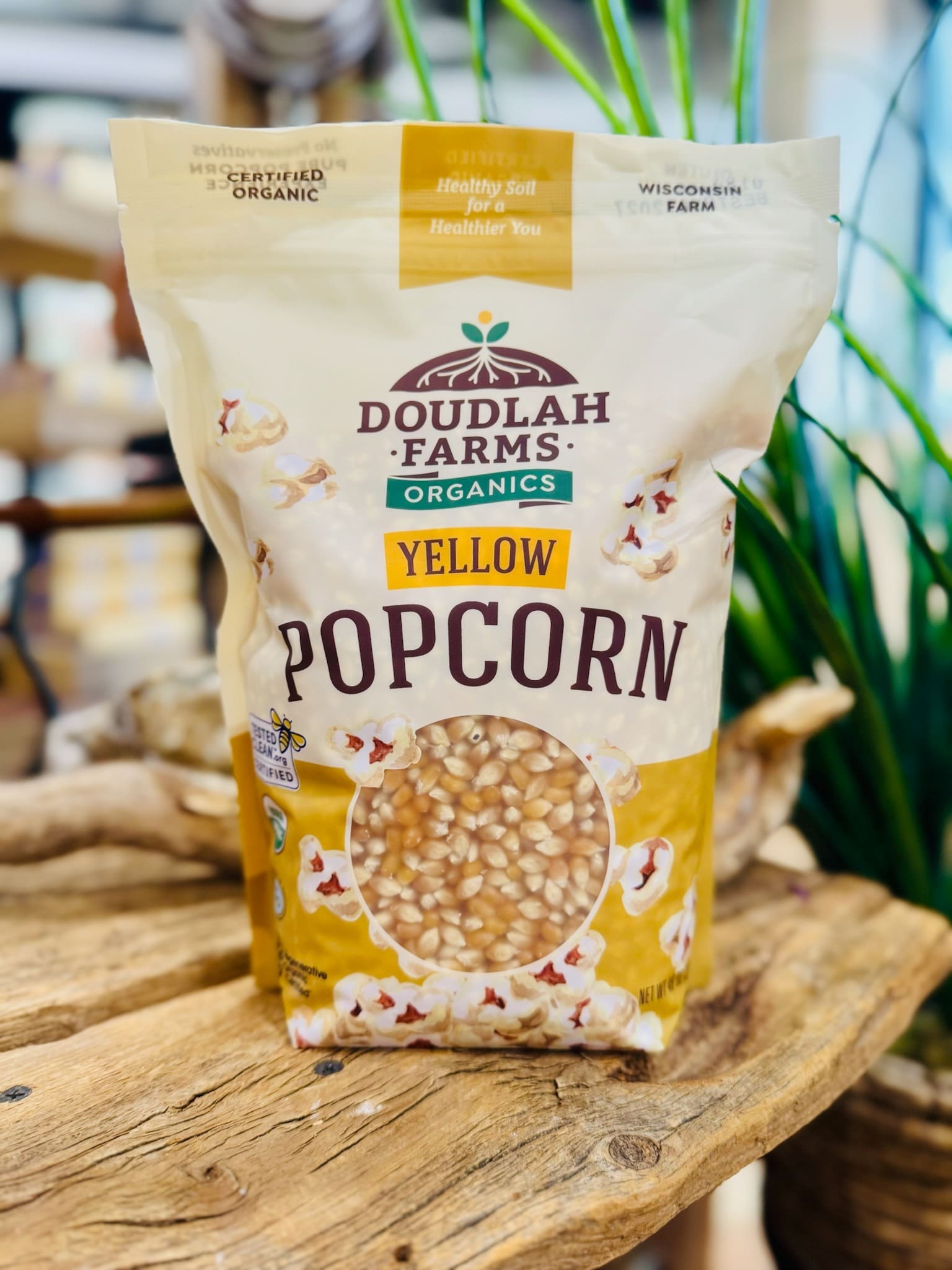
This cooking technique produces the healthiest popcorn, especially if you start with organic, non-GMO popcorn kernels like those from Doudlah Farms.
Beyond the Popping: Kernel Quality Matters
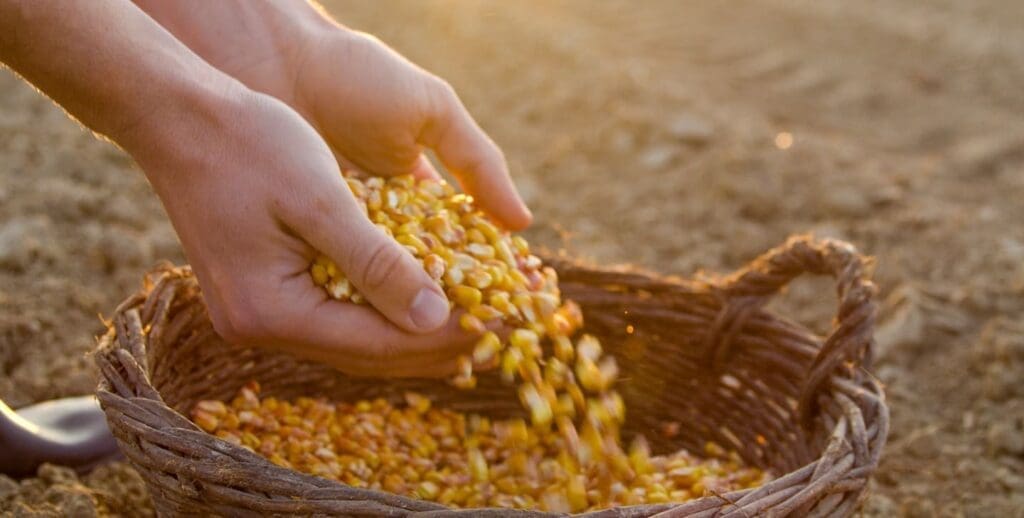
While the cooking methods are important, the true foundation of healthy cooking hacks is choosing the right kernels. Doudlah Farms grows organic, non-GMO grains that ensure no synthetic chemicals or pesticides end up in your bowl. Whether you’re popping on the stovetop, with air poppers, or even experimenting with pan frying or indirect heat, using clean kernels makes all the difference.
The market offers a wide variety of popcorn brands, each with different health profiles. Trader Joe’s is a popular choice for organic popcorn with unique flavors. Popcorn can be one of the healthiest snack foods when prepared with quality ingredients. Checking the total fat content on labels can help you choose healthier popcorn options. Popcorns high in saturated fat may pose a higher risk for heart disease, so it’s best to choose options with healthier fats.
Plus, because our kernels are fresh from the farm and not mass-produced for grocery markets, you get fewer unpopped kernels, more consistent flavor, and higher nutrient density.
Non-GMO Popcorn Options: Making a Smarter Choice
When it comes to cooking food that’s both tasty and better for you, choosing non-GMO popcorn is a smart move. Non-GMO popcorn is made from corn that hasn’t been genetically modified, so you can enjoy your snack knowing it’s closer to how nature intended. This type of popcorn is not only better for your health, but it’s also a more sustainable choice for the environment. Brands like Skinny Pop, Quinn, and Anthony’s are known for using high-quality, non-GMO corn, giving you peace of mind with every pop. By selecting non-GMO popcorn, you’re choosing food that’s free from unnecessary chemicals and pesticides, making your next bowl of popcorn a guilt-free treat. Whether you’re popping on the stove, in an air popper, or in the microwave, starting with non-GMO corn is a simple way to upgrade your snacking routine.
Minimizing Unpopped Kernels: Tips for Every Method
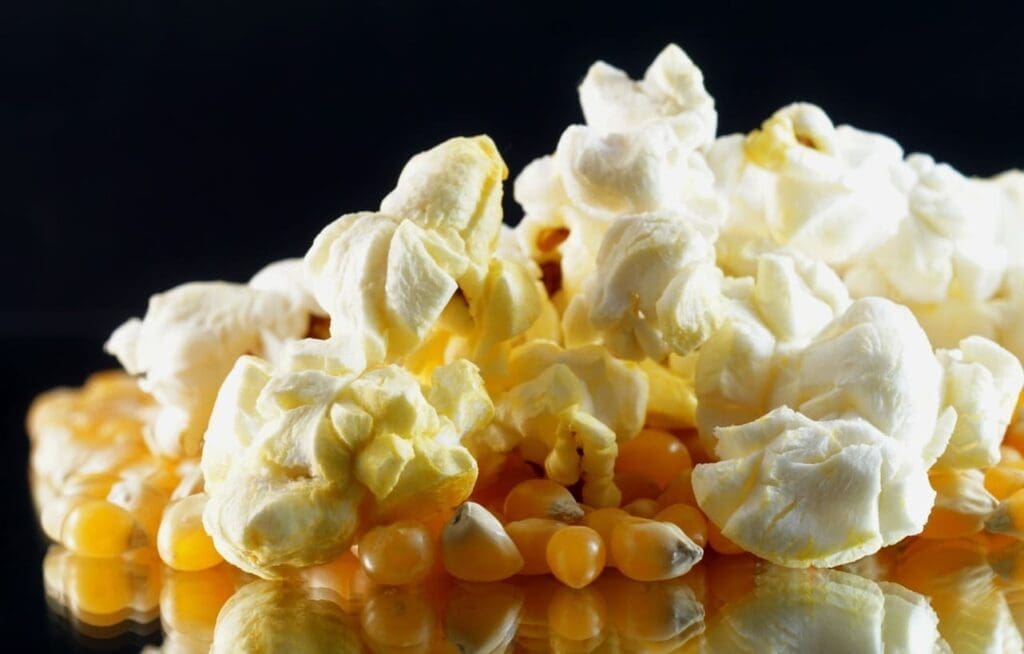
No one likes reaching the bottom of the bowl only to find a pile of unpopped kernels. Luckily, a few simple tweaks to your cooking technique can help you get the most out of every batch, no matter which cooking method you use. For air poppers, make sure your popcorn kernels are fresh and completely dry—excess moisture can prevent them from popping fully. On the stove, use just enough cooking oil to coat the bottom of your pot and keep the heat steady; a heavy-bottomed pot helps distribute heat evenly, and stirring or shaking the pot during popping ensures all kernels get their turn in the hot oil. If you’re using the microwave, try adjusting the cooking time and use a microwave-safe bowl with a vented lid to let steam escape, which helps the kernels pop more evenly. Some popcorn makers even come with built-in stirring mechanisms to keep things moving and minimize unpopped kernels. With a little attention to your cooking method and the right equipment, you can enjoy a bowl of popcorn with hardly any unpopped kernels left behind.
Snack Comparison: Which Method Wins?
Here’s how the three major cooking methods stack up:
- Microwave Popcorn: Quick and easy, but often loaded with added oil, salt, and chemicals.
- Stovetop Popcorn: Flavorful and customizable with different cooking oils, but higher in fat if you’re heavy-handed with the butter.
- Air-Popped Popcorn: The clear winner for the healthiest popcorn—light, clean, and made with nothing but kernels and hot air.
Final Thoughts
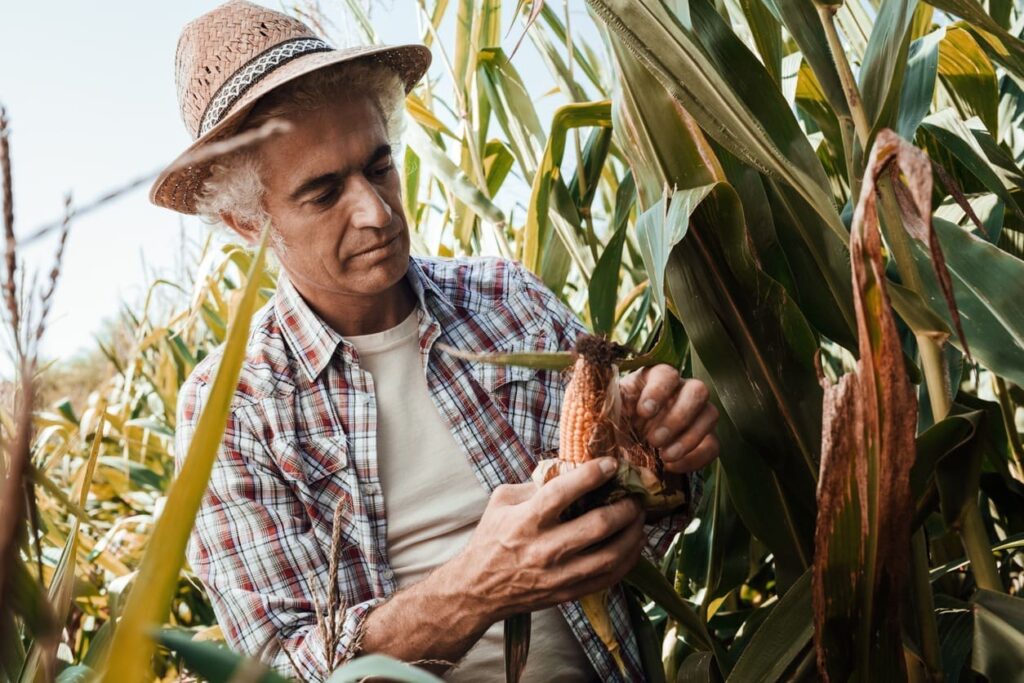
Popcorn can be one of the healthiest snacks when made right. By choosing organic popcorn kernels from Doudlah Farms and pairing them with the right cooking technique, you can enjoy fluffy popcorn that’s better for your health and free from unnecessary additives.
So whether you love experimenting with stovetop seasonings, still keep a box of microwave popcorn for busy nights, or swear by your air poppers, remember this: the healthiest popcorn starts with quality kernels grown with care.
Shop Doudlah Farms’ organic popcorn kernels today and taste the difference clean farming makes.
Pop it from better kernels
The method matters, but so does what you put in the pot. We grow our popcorn in Evansville, Wisconsin and sell it as a single ingredient: corn.
- Organic Popcorn Kernels: non-GMO, single-ingredient, grown on our farm. Yellow and white, 1.5 lb to 25 lb.
FAQs
1. Which popcorn cooking method is the healthiest?
Air-popped popcorn is the healthiest because it requires no oil, making it naturally low in calories and fat. Pair it with light seasonings like sea salt, herbs, or a drizzle of olive oil for a clean, nutrient-rich snack.
2. Is microwave popcorn bad for you?
Microwave popcorn is convenient, but many bagged varieties contain added oils, artificial flavors, and chemical coatings. Choosing organic, non-GMO kernels in a microwave-safe bowl is a healthier alternative to processed microwave popcorn bags.
3. Why does stovetop popcorn taste better?
Stovetop popcorn is cooked in oil, which enhances flavor and creates a crunchy texture. The tradeoff is added fat and calories. Using small amounts of healthy oils (like olive or avocado) keeps stovetop popcorn tasty while still balanced.
4. Does the type of kernel matter more than the cooking method?
Yes. Starting with high-quality organic, non-GMO kernels—like those from Doudlah Farms—makes the biggest difference. Clean, fresh kernels not only reduce unpopped leftovers but also ensure you’re avoiding synthetic chemicals and pesticides.
5. How can I minimize unpopped kernels?
Keep kernels fresh and dry, use steady heat, and don’t overcrowd your pot or popper. For microwave or air poppers, vent steam to prevent sogginess. With good-quality kernels and the right technique, you’ll end up with a bowl full of fluffy popcorn and fewer unpopped kernels.