When people ask us why organic farming matters, our answer always comes back to the same thing: health, community, and the land itself. Farming organically isn’t the easiest path, but for us, it was the only way forward. This is the story of how we found our place in the soil, and why we believe organic farming is the future of food.
Years ago, a sudden accident changed everything. While riding one afternoon, I was thrown by wild horses and suffered a broken leg. At first, it felt like a stroke of bad luck—an event that seemed only to bring hardship. But as time passed, that broken leg led me down a path I never expected, ultimately bringing me to organic farming.
Reflecting on this, I’m reminded of the classic story of the wise farmer. When his son was injured while riding a horse, the neighbors called it bad luck, but the farmer simply replied, “Maybe.” Later, what seemed bad turned out to be lucky, as the injury kept his son from being drafted into war. Like the farmer, I learned that events we label as bad or lucky can change meaning with time.
We often apply stories or judgments to the events in our lives, but it’s impossible to know in the moment whether something is truly good or bad. Life’s events exist beyond our immediate understanding, shaping our lives in ways we can’t always predict.
What questions should we ask ourselves when faced with unexpected events?
A Twist of Fate
Years ago, when our son was young, life threw us an unexpected curveball. One afternoon, a horse ran across the field and in the chaos, I broke my leg. At the time, it felt like an unfortunate event that would slow us down. But, as so often happens, good fortune can hide inside hardship. Being sidelined gave me space to reflect on the kind of farm — and life — we wanted to build.
That quiet time was when the seed of why organic farming was planted in my mind. If we were going to pour our energy into growing food, we wanted it to be food that made people healthier, not food treated with pesticides, additives, or chemicals.
Understanding the Principles of Why Organic Farming
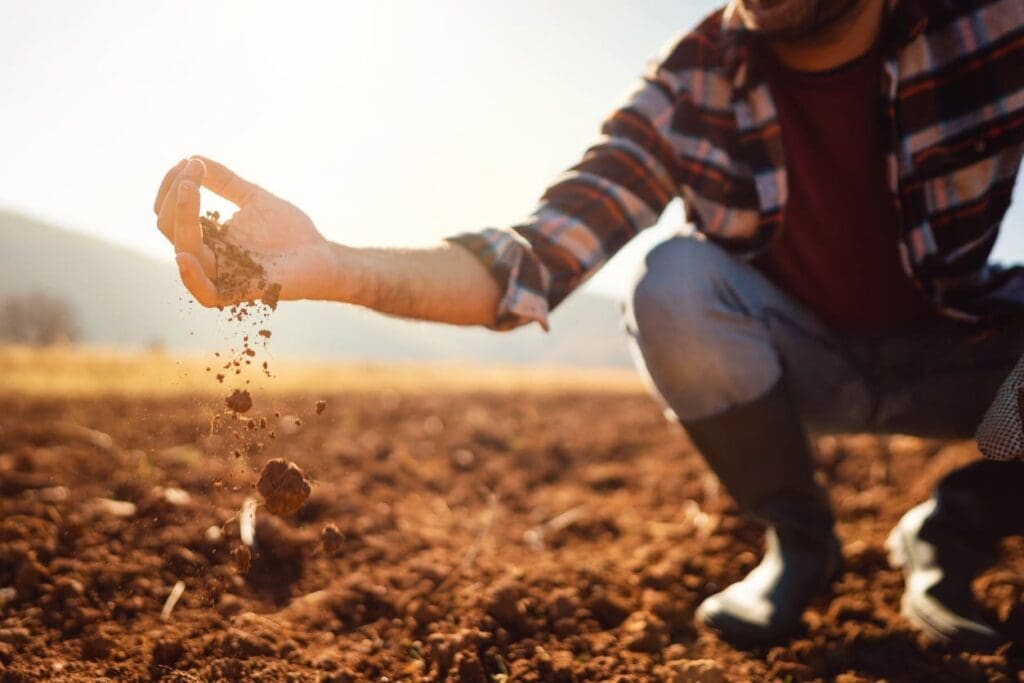
Organic farming is more than just a method—it’s a philosophy that shapes every decision we make on the farm. At its heart, organic farming is about nurturing the soil, supporting biodiversity, and protecting the environment for future generations. On organic farms like ours, we rely on natural solutions to keep our crops healthy, such as rotating what we plant each season, growing cover crops to enrich the soil, and using organic amendments instead of synthetic fertilizers.
Organic farmers are held to strict organic standards, which means we avoid pesticides and genetically modified organisms, focusing instead on building a resilient food system from the ground up. This approach not only benefits the planet, but also results in organic food that’s rich in nutrients and flavor. By choosing organic, you’re supporting a way of farming that values the health of the soil, the well-being of farmers, and the sustainability of our food system as a whole.
Learning From the Soil
When I could finally get back out into the fields, I started to see the soil differently. Soil health isn’t just a farming buzzword — it’s the foundation of everything. Healthy soil produces stronger crops, supports biodiversity, and holds water in times of drought. It also builds resilience against disease and pests naturally, without relying on harmful sprays. Using manure from our own livestock helps naturally fertilize the soil and reduces our reliance on synthetic fertilizers.
Through cover crops, crop rotations, and organic standards that protect both people and the planet, we found a process that felt right. Farming organically allowed us to work with nature instead of against it. Livestock are able to express their natural behaviors, such as grazing and roaming, which is essential for their welfare and aligns with high welfare standards. We are making use of what’s available on the farm to close the loop on resources, further promoting sustainability. The high standards required for organic certification ensure quality, and the success of these practices is evident in our farm’s resilience and long-term sustainability.
Crop Management and Planning
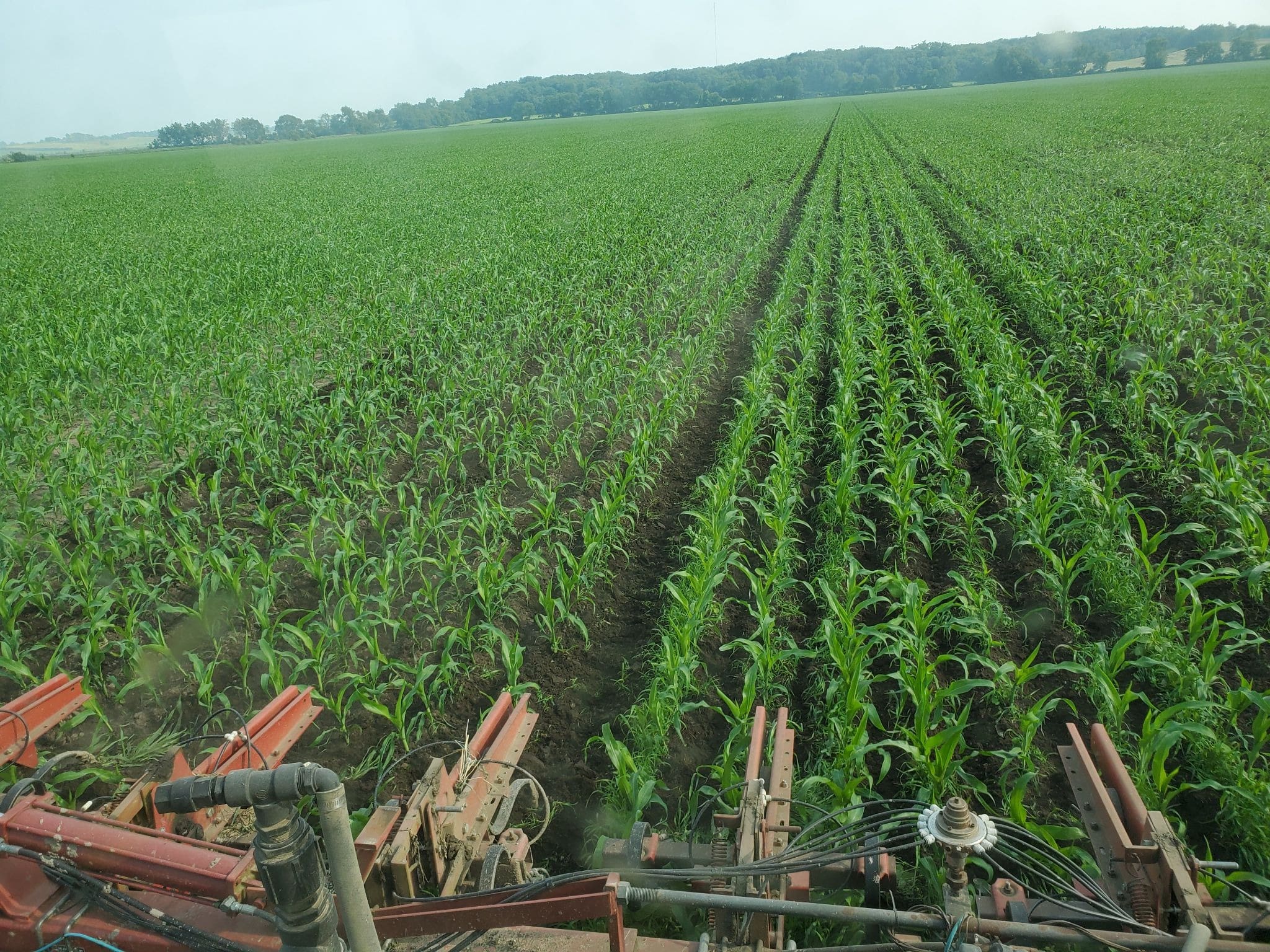
Behind every thriving organic farm is a thoughtful plan for managing crops and caring for the land. We’ve learned that successful organic farming depends on practices that keep the soil healthy and the ecosystem in balance. Crop rotations are a cornerstone of our approach, helping to break cycles of pests and disease while replenishing nutrients in the soil. Between main crops, we plant cover crops—like clover or rye—to prevent erosion, add organic matter, and attract beneficial insects.
We also use integrated pest management, combining physical barriers, natural predators, and careful observation to minimize the need for any chemical intervention. Composting and mulching further enrich the soil, ensuring our crops have the nutrients they need to grow strong and healthy. These methods not only protect the environment, but also help us produce food that’s good for people and the planet.
Farming for Community and the Future

Choosing organic farming wasn’t just about us — it was about the community we’re a part of and the positive impact we can have on the world. People deserve food they can trust, grown without pesticides or unnecessary additives. Supporting organic farmers strengthens the local food system and ensures a sustainable future.
We’ve also come to see farming as a way to join in the larger fight against climate change. Organic practices increase biodiversity, reduce pollution, and build healthier soils that actually capture carbon. Every decision we make on the farm is a small contribution to the health of our planet and the world as a whole.
To help others on this journey, we wrote a short guide documenting our experiences and best practices, hoping it will inspire more people to make choices that benefit their communities and the world.
Lessons Learned and Best Practices
Every season on the farm brings new lessons, and over the years, we’ve discovered that soil health is the foundation of everything we do. Healthy soil supports a web of life beneath our feet, providing essential ecosystem services like carbon sequestration, water filtration, and nutrient cycling. By focusing on these natural processes, we’re able to build a more resilient farm that can adapt to the challenges of climate change.
We’ve also embraced flexible management strategies, adjusting our practices as weather patterns shift or new challenges arise. When it comes to livestock, rotational grazing has been a game-changer—improving soil health, supporting animal welfare, and reducing our environmental footprint. These best practices help us create a farm that’s not only productive, but also sustainable and in harmony with nature.
Why Organic Food Matters

At the end of the day, food is about more than calories. It’s about health, connection, and hope. When you choose organic food, you’re not just buying what’s on your plate — you’re investing in farmers who care, in soil that’s alive, and in a food system that has the power to nourish both people and the planet.
That’s why we chose this path, and why we’ll continue it for as long as we can.
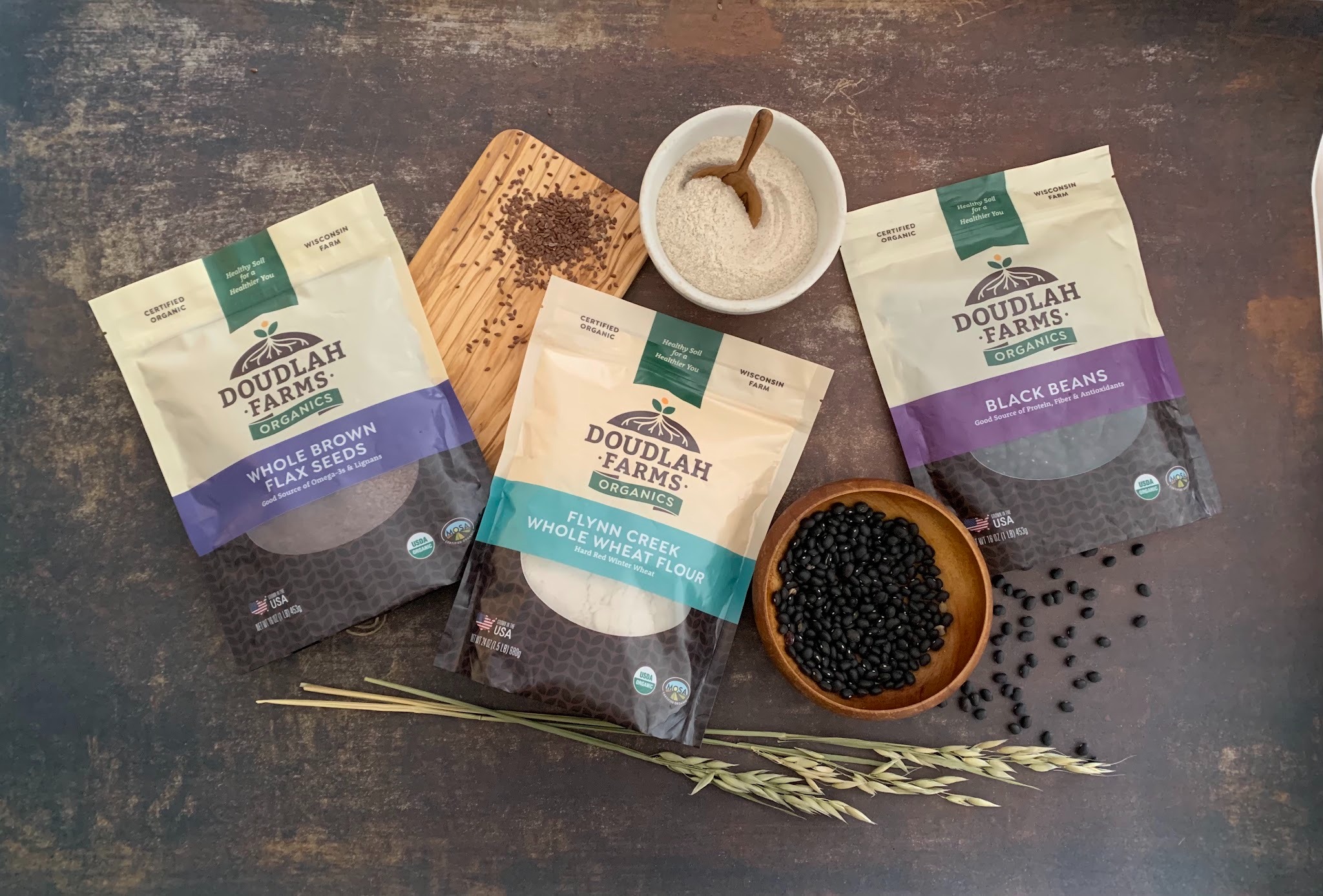
We’d love to share this journey with you. Join us at Doudlah Farms, where every bag of flour, every kernel of corn, and every crop we grow carries with it the story of resilience, nature, and community.
Future Plans and Aspirations
Looking ahead, we’re filled with hope for what organic farming can achieve. As more people seek out organic food, we’re committed to expanding our fields, refining our organic standards, and sharing what we’ve learned with others. Our goal is to help build a food system that’s truly sustainable—one that values biodiversity, reduces environmental impacts, and puts human health at the center.
We believe that by working together—organic farmers, consumers, and advocates—we can create a future where healthy food, thriving communities, and a vibrant planet are possible for everyone. Our journey is far from over, and we invite you to join us as we continue to learn, grow, and care for the land that sustains us all.
FAQs
1. Why did Doudlah Farms choose organic farming — and why organic farming matters to us.
Our decision was rooted in a turning point: after a personal accident, we had time to reflect on the kind of farm we wanted to build. We realized that if we were going to grow food, it needed to nourish people, protect the soil, and support long-term health. Organic farming became the only path forward.
2. What makes organic farming different from conventional farming?
Organic farming avoids synthetic pesticides, GMOs, and chemical fertilizers. Instead, it relies on natural practices like crop rotation, cover cropping, composting, and rotational grazing. These methods build soil fertility, conserve biodiversity, and protect ecosystems—creating food that’s better for people and the planet.
3. How does organic farming improve soil health?
Healthy soil is the foundation of everything we do. Through cover crops, livestock manure, composting, and rotational grazing, we restore nutrients, prevent erosion, and boost biodiversity. This living soil naturally resists pests and diseases without the need for harmful sprays.
4. How does organic farming benefit the community?
Choosing organic food supports a cleaner environment, strengthens local food systems, and offers families food they can trust. At Doudlah Farms, farming organically is also about being part of the climate solution—capturing carbon, reducing pollution, and creating a healthier future for the next generation.
5. Why does Doudlah Farms go beyond USDA organic standards?
While USDA certification sets a strong baseline, we integrate regenerative practices that take organic even further. From rotational grazing to biodiversity planning, we focus on creating a farm that’s resilient, sustainable, and in harmony with nature—because food is about health, connection, and hope.