Cornmeal has earned its place in kitchens worldwide, from Southern cornbread to Italian polenta. For food brands and foodservice operators, understanding how to source, formulate, and market gluten-free cornmeal opens access to a $7.5 billion U.S. market growing at 7.5% CAGR. This guide covers what makes cornmeal safe for celiac guests, how different grinds perform in recipes, and how to position your products for retail and foodservice success.
Key Takeaways
- Cornmeal is naturally gluten-free because corn lacks the gluten proteins found in wheat, barley, and rye. However, cross-contamination during milling or packaging can introduce unsafe gluten levels for celiac patients.
- Certified gluten-free corn meal must test below 20 ppm gluten per FDA standards, with stricter certifications like GFCO enforcing 10 ppm limits.
- Gluten-free cornmeal comes in fine, medium, and coarse grinds, plus yellow and white varieties that affect texture, flavor, and appearance in finished dishes.
- Popular applications include skillet cornbread, creamy polenta, crispy coatings for fried foods, cornmeal pancakes, and desserts like chess pies and blueberry muffins.
- Asymmetric Marketing helps food and CPG brands position and promote gluten-free cornmeal products to both retail and foodservice buyers through strategic branding, SEO, and targeted campaigns.
What Is Gluten-Free Cornmeal?
Cornmeal is dried field corn (Zea mays) ground into varying particle sizes. Corn itself contains no gluten proteins, making it inherently safe for those avoiding wheat, barley, and rye. Historical records trace cornmeal use to indigenous Mesoamerican cultures over 7,000 years ago.
The term “gluten-free cornmeal” extends beyond the grain’s natural composition. It refers to cornmeal that is produced and handled to prevent cross-contact with gluten-containing grains throughout milling, processing, and packaging.
Understanding the difference between whole-grain cornmeal and degerminated cornmeal matters for both nutrition and shelf life. Whole grain versions retain the germ, bran, and endosperm, delivering higher fiber (3.6g per 100g) and protein, but a shorter shelf life of 6-9 months due to fat content. Degerminated cornmeal, common in 50 lb foodservice bags, removes the germ for 12-24 month stability and a smoother texture at the cost of reduced nutrients.
Grind size determines recipe performance. Fine grind (0.3-0.5mm) suits delicate batter for crepes, cakes, and pancakes, where it mimics flour without gumminess. Medium grind (0.5-0.8mm) excels in cornbread for balanced crumb structure and muffins with domed tops. Coarse grind (0.8-1.2mm) transforms into creamy polenta requiring 45-60 minutes of simmering or delivers crunchy coatings that absorb less oil in frying.
Major U.S. mills like Bob’s Red Mill and King Arthur Baking initiated clear gluten-free labeling around 2010-2012 as celiac diagnoses increased and demand for certified products surged.
Is Cornmeal Always Gluten Free?
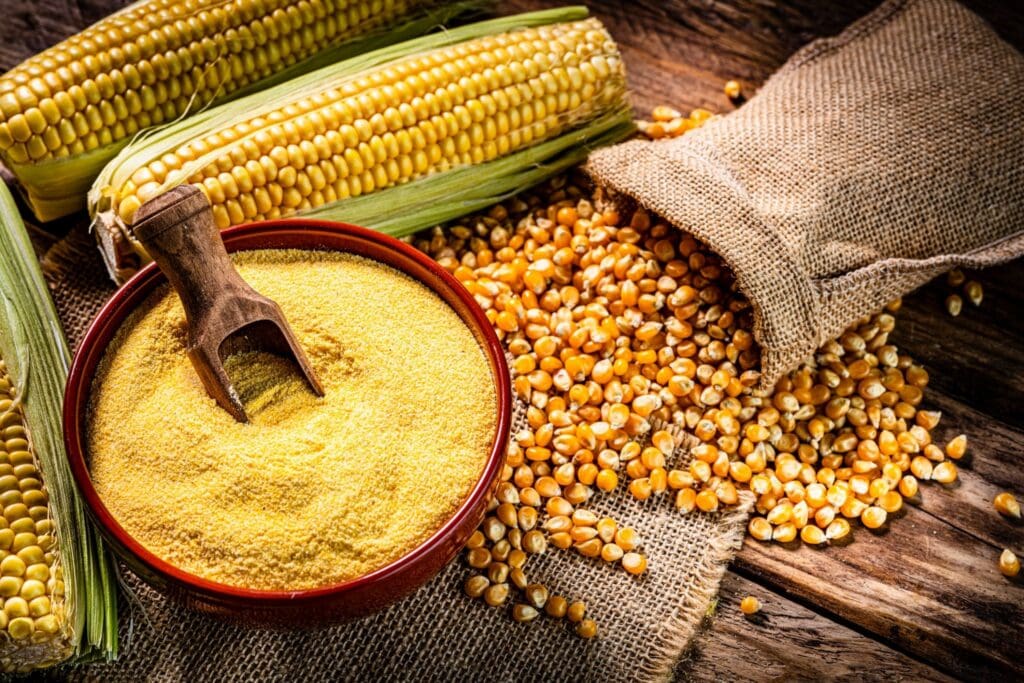
While corn is gluten-free, not every bag of cornmeal on the shelf is safe for those with celiac disease, just as naturally gluten-free buckwheat must be handled to stay celiac-safe. Shared equipment with wheat flour creates real contamination risks that require careful sourcing.
Two primary contamination vectors affect cornmeal safety. First, milling facilities often process wheat flour on the same stone burrs or roller mills without full disassembly between runs. Second, shared packaging lines can deposit gluten residues when wheat flour runs precede cornmeal. Independent testing has shown that up to 30% of unlabeled cornmeal samples exceed 20 ppm gluten.
The U.S. FDA mandates that products labeled “gluten-free” must contain less than 20 ppm gluten, aligning with EU Regulation 828/2014. However, certifications from organizations like GFCO enforce stricter 10 ppm limits with 80-step verification protocols. Celiac experts recommend looking for certified seals rather than relying on “made with corn” claims, as non-certified products have tested positive for gluten in 41% of cases in third-party audits.
Practical shopping tips for sourcing safe products:
- Look for a “gluten-free” callout on the front of the bag
- Check for “processed in a facility that also processes wheat” warnings
- Review brand allergy policies and testing protocols online
- For foodservice 50 lb sacks, request a Certificate of Analysis (COA) showing lot-specific gluten levels
Foodservice bulk products may be gluten-free by formula, but still require confirmation of cross-contact controls for restaurants promising gluten-free menus.
Types of Gluten-Free Cornmeal And How To Use Them
Choosing the right grind and style matters for recipe success, especially when customers expect a specific texture. Here’s how each type performs in different applications.
Fine grind gluten-free cornmeal absorbs liquids rapidly, making it ideal for pourable batter in pancakes (try a 1 cup cornmeal to 1.25 cups buttermilk ratio), waffles, and crepes, especially when you use fine ground organic cornmeal for baking. It also works beautifully in spoon bread soufflés that rise 2-3 inches in a 350°F oven, and adds subtle texture to delicate cakes without grittiness.
Medium grind provides optimal structure for traditional skillet cornbread baked in a cast iron skillet at 425°F for 20-25 minutes, yielding a golden crust from the Maillard reaction, and pairs perfectly with a classic organic cornbread recipe. This grind suits corn muffins, chess pies where the cornmeal mixture suspends the custard, and gluten-free cornbread dressing for holiday menus.
Coarse grind and polenta meal transform into creamy polenta at 4:1 water ratios, simmered to 185°F internal temperature, similar in method to cooking nutrient-dense gluten-free buckwheat for savory porridges. This grind excels in baked cornmeal crusts for tamale pies and delivers crunchy coatings that reduce oil uptake by 15-20% compared to wheat flour in fry tests.
Yellow cornmeal from high-carotenoid corn varieties, such as organic yellow cornmeal from regenerative farms, imparts robust corn flavor and vibrant color for cornbread and hush puppies fried at 350°F. White cornmeal from Southern heirloom varieties offers a neutral profile ideal for catfish fillets, where the batter clings without overpowering spice rubs.
Degerminated versions dominate commercial mixes with a 1-year shelf life, while stone-ground whole grain cornmeal packs 4g fiber per 100g and delivers nuttier notes from pericarp retention.
Gluten-Free Cornmeal In Savory Dishes
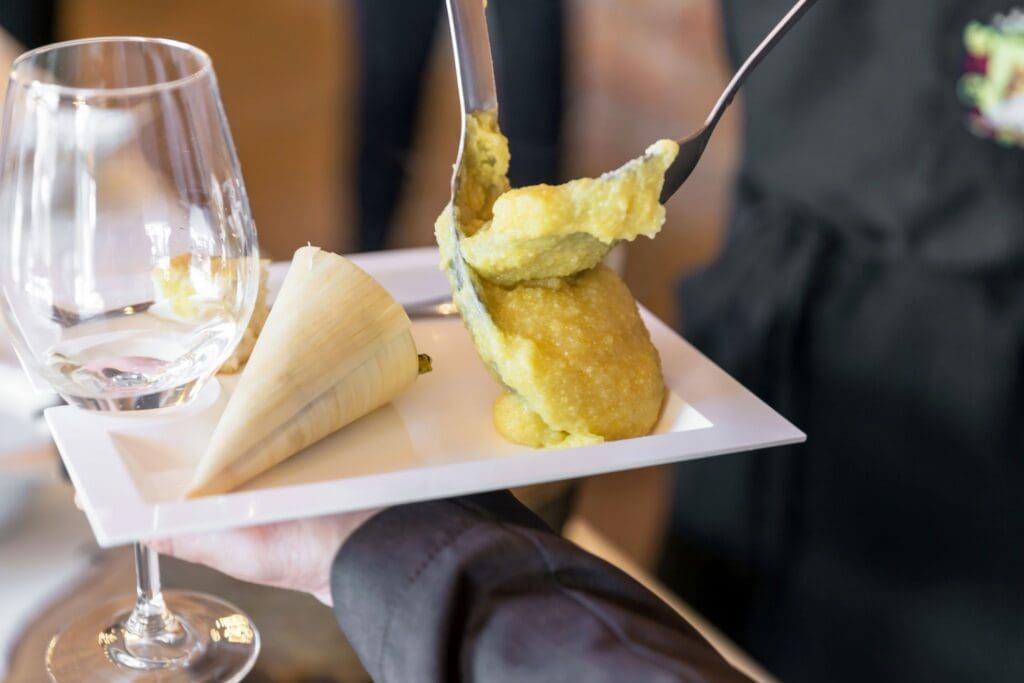
Gluten-free cornmeal helps restaurants and manufacturers create naturally gluten-free comfort food without sacrificing crunch or body. Its high amylose content (25-28%) forms gel networks after cooking that trap air for lighter fried textures.
Southern-Style Coatings
Classic fried catfish uses medium cornmeal dredged after a buttermilk soak, then fried in hot oil at 365°F for 3-4 minutes to achieve 1.2-1.5mm crusts. Blind taste tests by Southern Living kitchens showed these match gluten-free versions. The same technique applies to fried green tomatoes sliced 1/4-inch thick, fried okra pods halved lengthwise, onion patties formed into 2-inch pucks, and hush puppies spooned into 1.5-inch balls using gluten-free baking powder for lift.
Baked and Skillet Dishes
Jalapeño cheddar cornbread incorporates 1 cup medium cornmeal with shredded cheese (4oz) and diced jalapeños (1/4 cup) for a moist crumb from Greek yogurt or sour cream. Spoon bread leverages fine grind whipped with egg whites to 5x volume. Green chile variants add roasted Anaheims for Southwest flair. Using certified gluten-free cornmeal makes these holiday staples safe for gluten-free guests.
Casseroles and One-Pan Meals
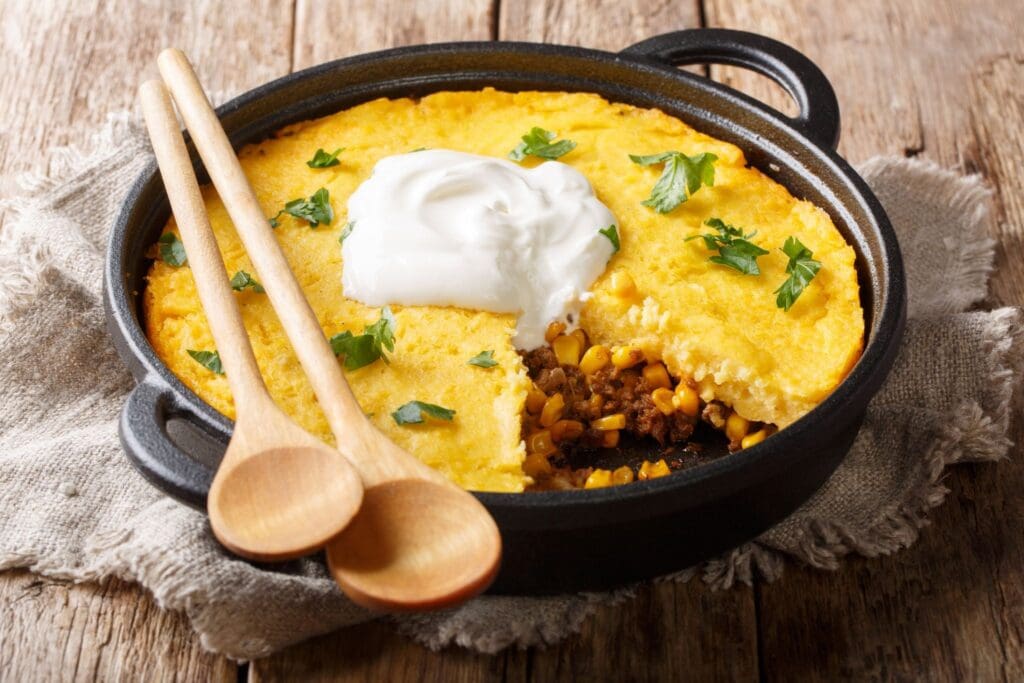
Consider tamale casseroles with cornmeal crusts layered over spiced beef, perfect alongside pinto beans and tomato sauce. Polenta-topped tomato-beef bakes gratinéed at 400°F deliver comfort food appeal. Sausage gravy casseroles with cheddar-cornmeal drop biscuits work well for breakfast or brunch menus served with chili on the side.
Seafood and Meat Coatings
Beyond catfish, test crispy ranch shrimp air-fried at 400°F for 12 minutes to reduce fat by 70%, salmon croquettes pan-fried from 4oz patties, soft-shell crab sandwiches double-dredged for extra crunch, and fish tacos with beer batter yielding shatter crispness. Air fryer applications offer healthier menu options without sacrificing the crunchy texture customers expect.
Gluten-Free Cornmeal In Baked Goods And Desserts
Gluten-free cornmeal brings structure and texture to baked goods and desserts where wheat flour typically dominates. It’s 70-75% starch content gelatinizes at 62-72°C, creating tender yet sturdy crumbs in wheat-free sweets.
Cornbread Variants
Skillet cornbread scales from basic 1:1 cornmeal-buttermilk at 450°F for crusty edges to brown butter versions, infusing 4 tbsp butter browned to a nutty stage. Honey corn muffins glazed post-bake add sweet appeal. Coarse grind yields a pebbly texture while olive oil boosts moistness. For a delicious breakfast option, try serving warm cornbread with butter and a drizzle of maple syrup.
Cornmeal Sweets
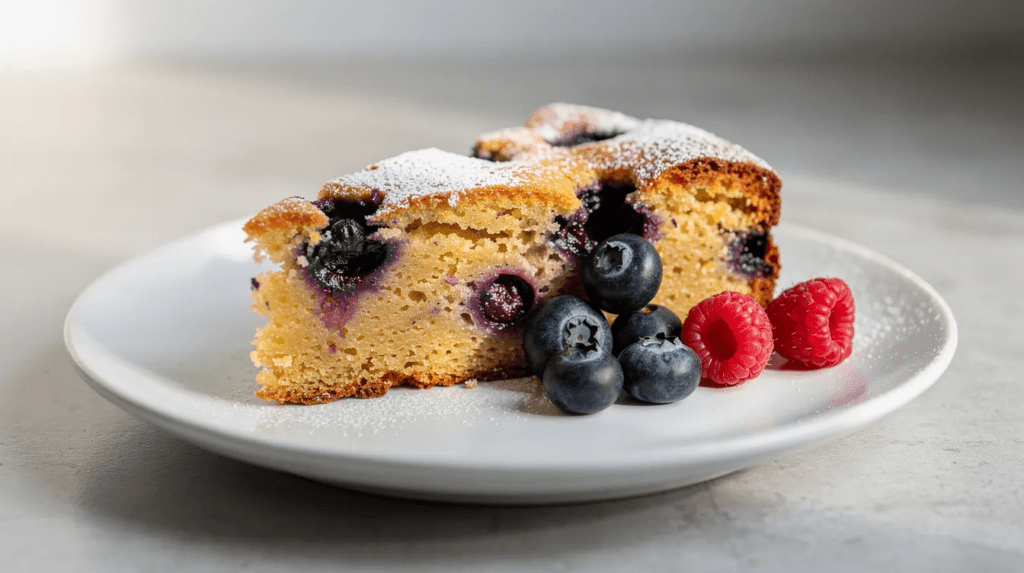
Blueberry-cornmeal cake layers 1.5 cups medium grind with 2 cups berries that sink minimally due to batter viscosity. Pomelo olive oil cakes incorporate citrus zest for brightness. Strawberry shortcake ice cream cakes with cornmeal layers absorb syrups beautifully. Blueberry cobblers with buttermilk-cornmeal topping baked at 375°F for 35 minutes deliver a fruity filling with satisfying crumb. Fresh fig cakes fold 12 ripe figs into fine-grind batter for jammy centers.
Chess Pies and Custards
Custard chess pies rely on 1 4 cup fine cornmeal to suspend fillings evenly. Classic sugar-buttermilk versions bake at 350°F for 50 minutes, crack-free. Lemon variants with 1/2 cup juice curd softly into the cornmeal base. Chocolate chess pie with 4oz melted cocoa settles evenly, while turtle versions swirl pecans and caramel throughout. Pair with gluten-free crusts using almond flour or gluten-free all-purpose blends, and top with whipped cream for an elegant finish.
Specialty Items
Cornbread cookies rolled 1/4-inch thick and baked at 350°F for 12 minutes yield chewy edges with a hint of dark brown sugar sweetness. Cornbread dressing bars sliced into 2-inch squares make portable holiday treats, especially when you start with organic whole cornmeal from red dent flint corn for deeper flavor. Cheddar shortbread using 1 cup coarse cornmeal with 8oz aged cheese delivers a savory snap that tastes good alongside soups or as a standalone snack.
Formulating And Baking With Gluten Free Cornmeal (For Food Brands & Foodservice)
R&D teams and bakery managers seeking consistent gluten-free cornmeal products at scale need to understand key formulation differences from wheat-based recipes.
Flour Blends
Achieve scale-consistent products by blending gluten-free cornmeal 30-70% with rice flour (low viscosity for spreadability), sorghum flour (buttery notes, 10% protein for lift), or all-purpose mixes that emulate wheat’s structure via gums and enzymes, ideally choosing high-quality organic flour for baking to support clean-label positioning. Avoid white whole wheat flour and whole wheat flour in any gluten-free formulation, even premium options like organic whole wheat flour products.
Hydration and Mixing
Gluten-free dry ingredients demand 10-20% more liquid due to cornmeal’s lower water-binding capacity from the absence of glutenin. A 1.3:1 flour-to-water ratio often works well. Rest batter 15-30 minutes before baking to allow starch hydration and prevent grit. Overmixing induces tunneling from excess air incorporation, so paddle mix wet ingredients with dry ingredients for just 1-2 minutes at low speed. Stir gently until combined.
Leavening Adjustments
Use certified gluten-free baking powder at 2 tsp per cup of flour, balanced by acids like buttermilk (pH 4.5) or yogurt. This combination yields a 1.5-inch rise in cornbread versus flat profiles without proper acid activation. For a sugar-free option, reduce added sugar and increase cinnamon or vanilla for flavor depth.
Shelf Life and Texture
Whole-grain stone-ground cornmeal suits premium SKUs but risks grittiness if unhydrated. Degerminated extends shelf life to 24 months at less than 0.5% fat. Moisture retention improves 15-20% with 5-10% added honey or maple syrup, binding water activity below 0.6 Aw. This proves critical for gluten-free muffins retaining softness 7 days post-packaging. Monitor saturated fat and monounsaturated fat content in nutrition facts panels, noting how much a nutrient in each food contributes to daily diet guidelines.
Marketing Gluten-Free Cornmeal Products With Asymmetric Marketing
Asymmetric Marketing partners with mills, regional food brands, and prepared-food manufacturers to grow gluten-free cornmeal sales in both retail and foodservice channels, including those offering organic gift baskets and baking-focused assortments. The global gluten-free market is projected to reach $15 billion by 2030 at 8% CAGR, presenting a significant opportunity for well-positioned brands.
Differentiation Through Branding
Stand out from competitors by highlighting origin stories, stone milling methods, non-GMO verification, and organic USDA seals. Emphasize clear gluten-free testing protocols with lab results showing less than 10 ppm quarterly. Consumer research shows 91% preference for third-party verified labels.
SEO and Content Marketing
Target high-intent searches with recipe-driven content. Four-step fried okra videos garner 10x engagement compared to static posts. Develop buyer’s guides for chefs detailing 50 lb bulk specs, and create technical specification sheets optimized for terms like “certified gluten-free cornmeal” and “gluten-free cornbread mix.” Publish recipes featuring your product with popular dishes like air fryer okra, fried catfish, and holiday cornbread dressing.
Paid Media and Lead Generation
LinkedIn campaigns targeting 5,000+ bakery commissaries and QSR groups with A/B tested ads can generate 25% lead conversion rates. Showcase performance data, including rise measurements, texture consistency, and blind taste scores. A few tablespoons of product can demonstrate quality in sample kits sent to decision-makers at Whole Foods retailers and distributors.
Customer Retention
Build long-term relationships through email sequences with seasonal gluten-free menu ideas. Thanksgiving dressing recipes, summer fish fry kits, and holiday chess pie guides keep your brand top-of-mind. Co-branded promotions with retailers have boosted shelf velocity 30% for partner brands.
Gluten-Free Cornmeal Storage, Handling, And Safety
Proper storage and handling preserve flavor, extend shelf life, and prevent cross-contact with gluten in both home and commercial kitchens.
Storage Guidelines
Keep gluten-free cornmeal in airtight containers away from heat and moisture. Whole grain varieties should be stored in cool or refrigerated spaces at 40°F, extending life from 3 to 12 months by slowing lipase activity on the 4% fat content. Degerminated cornmeal remains stable for 24 months at 70°F. Mark opened bags with dates and followed FIFO rotation to reduce waste.
Cross-Contact Prevention in Foodservice
Dedicate scoops and prep bins for gluten-free ingredients only. Store gluten-free cornmeal on top shelves above gluten-containing products. Avoid shared fryers that cook breaded items with wheat flour, as oil tests show levels exceeding 100 ppm after wheat use. Color-code utensils and sanitize with 200 ppm quaternary ammonium solutions.
Labeling and Training
Label storage containers clearly as “Gluten Free Cornmeal – Do Not Cross-Contaminate” per FDA allergen rules. Train staff to distinguish between naturally gluten-free ingredients and certified gluten-free products through annual quizzes, achieving 95% compliance. Document procedures for GFSI audits, like the BRCGS Gluten-Free standard.
Supplier Verification
Periodically verify suppliers’ gluten-free status, especially for bulk 25-50 lb bags used in commissaries. Request COA review for every lot and conduct 20% random third-party ELISA tests. Non-certified bulk products have failed 25% of audits in recent Celiac Foundation testing. You may be pleasantly surprised at how responsive quality suppliers are to verification requests.

FAQ
These questions address practical issues that cook teams, R&D formulators, and marketers often encounter beyond the basics covered above.
Is polenta the same as gluten-free cornmeal?
Polenta refers to both an Italian dish made from coarse cornmeal and the raw ingredient itself. The ingredient may be labeled as polenta, corn grits, or coarse cornmeal, typically featuring 1-1.5mm particle size from flint or dent corn. While polenta is naturally gluten-free, 15% of brands test above 20 ppm per 2023 GFCO data. Certification matters for celiac safety. Note that some instant polenta mixes may contain wheat-derived stabilizers, so brands should highlight gluten-free certifications clearly on packaging and menus.
Can I use regular cornmeal in a gluten-free recipe if it is not labeled gluten-free?
For people with celiac disease or medically diagnosed gluten sensitivity, unlabeled cornmeal carries a 20-40% risk of exceeding 20 ppm gluten based on independent lab tests. This makes it unsafe for gluten-free claims. Use only products labeled or certified gluten-free when marketing or serving items as gluten-free, especially in restaurants and packaged goods sold at retailers. Clearly communicate the use of certified gluten-free cornmeal in product descriptions to build trust and avoid liability.
How do I make traditional cornbread 100% gluten free?
Choose certified gluten-free medium grind cornmeal and pair it with a gluten-free flour blend instead of wheat flour, or use a cornmeal-forward formula that omits flour altogether. Ensure your baking powder is certified gluten-free. Use a dedicated cast-iron pan that hasn’t baked wheat-based breads, or season thoroughly before use. Test ratios like 50:50 gluten-free cornmeal to gluten-free all-purpose flour versus 70:30 to find the ideal texture. Cook over medium heat on the stovetop to set the bottom before finishing in a hot oven for proper crust development.
Does gluten-free cornmeal change the flavor or texture of my recipes?
Certified gluten-free cornmeal should taste identical to conventional cornmeal since the corn itself is unchanged. Any differences typically come from grind size, whole grain versus degerminated processing, or accompanying flours in your recipe. Some gluten-free blends can make baked goods slightly more tender, which benefits items like spoon bread or cornmeal cakes. Side-by-side trials confirm 95% indistinguishability when properly hydrated. Run sensory tests with target customers before rolling out new gluten-free SKUs. The same general nutrition advice applies: check nutrition facts for fiber, fat, and protein content when comparing products.
How can a small food brand promote its gluten-free cornmeal products effectively?
Focus messaging on trust signals, including certified gluten-free status, third-party testing results, and transparent sourcing from known farms or mills. Create content around high-intent recipes like gluten-free cornbread dressing, air fryer okra, and fried catfish that showcase your product’s performance. Use SEO-optimized content, short-form recipe videos, and chef collaborations to demonstrate real kitchen results. Consider serving ideas that pair your cornmeal with complementary ingredients like onion, cheese, beans, and honey for complete dish inspiration. Asymmetric Marketing can help develop positioning, build a content calendar, and run targeted digital campaigns to reach retailers, distributors, and foodservice buyers seeking gluten-free cornmeal solutions.