Organic used to mean something simple: no synthetic pesticides, no synthetic fertilizers, no shortcuts. Today, the word is stamped on everything from produce bins to snack aisles, and it is fair to wonder how much it still means. The honest answer is that organic standards matter more than ever, for reasons that go well beyond a label on a bag.
This is a look at what organic standards actually require, why they matter for the farmers who commit to them, why they matter for the people buying the food, and why some farms, ours included, have decided that meeting the minimum organic bar is not enough.
Key Takeaways
● USDA Organic certification prohibits synthetic pesticides, synthetic fertilizers, and GMOs, but it does not require pesticide residue testing on the final product.
● Organic farming benefits soil health, farmworker safety, and long-term land value for the farms that practice it.
● Non-toxic agriculture protects consumers from chemical residue exposure that accumulates from conventional produce and grains.
● Consumer trust in organic labeling has eroded somewhat as the term has become more commercialized, which is why third-party testing matters.
● Some farms go beyond baseline organic certification with additional standards like Biodynamic, MOSA, and Real Organic Project certification, plus independent chemical testing.
What “Organic” Actually Means
The word organic is regulated, but the regulation has limits worth understanding if you want to know what you are actually paying for.
USDA Organic Certification Basics
To carry the USDA Organic seal, a farm must avoid synthetic pesticides, synthetic fertilizers, sewage sludge, irradiation, and genetically modified organisms, and must follow a documented soil and crop management plan reviewed by a certifying agent. This is a meaningful standard, and it is far more rigorous than no standard at all. But USDA Organic certification is largely a process-based standard: it certifies how a farm operates, not what is measurably present or absent in the final product.
Why Some Farms Go Beyond Organic
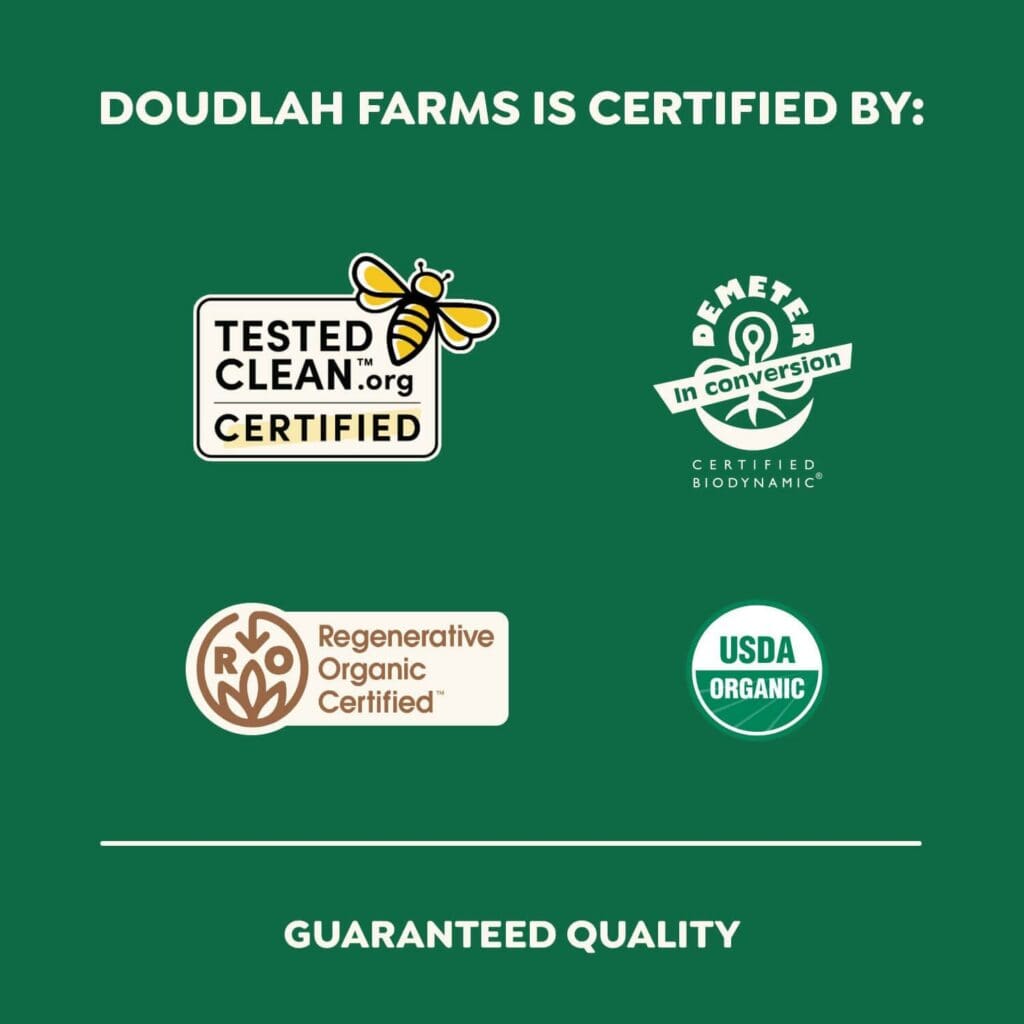
This is where additional certifications come in. Biodynamic certification, overseen by Demeter, requires an even more holistic approach to farm ecosystem management. MOSA (Midwest Organic Services Association) provides an additional layer of organic certification oversight specific to the Midwest. The Real Organic Project was founded by organic farmers who felt USDA standards had been weakened by industrial-scale operations, and it adds requirements around soil-grown crops and animal welfare. Stacking these certifications and backing them with independent testing is what separates a farm that simply meets the legal organic bar from one that goes meaningfully further.
The Benefits of Organic Farming for Farmers
Organic farming is not just a marketing decision. For the farmers who practice it, the benefits and the trade-offs are real and immediate.
Soil Health and Long-Term Land Value
Synthetic fertilizers can produce strong short-term yields, but over decades, they tend to degrade soil structure, deplete organic matter, and reduce the soil’s natural ability to hold water and nutrients. Organic and regenerative practices, like cover cropping, crop rotation, and compost application, build soil organic matter over time. That is not just an environmental talking point. Healthier soil holds water better during drought years, requires less external input, and holds its value as farmland for the next generation.
Reduced Chemical Exposure for Farm Workers
Farmers and farm workers are the people with the most direct, sustained exposure to whatever chemicals are used in a field. Removing synthetic pesticides and herbicides from a farm’s operation is not just about what shows up in the food. It is a daily safety consideration for the people whose hands are in the soil.
Economic Resilience of Small Organic Farms
Organic and specialty crops often command a price premium that helps smaller family farms remain economically viable in a landscape dominated by large-scale commodity agriculture. For a multi-generational farm, that premium can be the difference between the land staying in the family and being sold to a larger operation.
The Benefits of Organic Standards for Consumers
Non-Toxic Agriculture and What It Means for Your Plate
Non-toxic agriculture is about more than avoiding a single scary chemical. It is about reducing the cumulative, long-term exposure that comes from eating conventionally grown food regularly over years and decades. Pesticide residue does not need to violate a single safety threshold to be worth avoiding when it is a daily, repeated exposure across an entire diet.
Building Consumer Trust Through Testing and Transparency
Consumer trust in food labeling has taken a hit in recent years, and organic is not immune to that skepticism. Shoppers have learned that a label can be technically accurate while still leaving out important information. The most effective way for a farm to rebuild that trust is not a better marketing claim. It is showing the actual data: what was tested, for how many chemicals, and what the results were.
Sustainable Food Systems: The Bigger Picture
Ethical farming and sustainable food are ultimately about whether a system can keep producing healthy food, on healthy land, for generations, without depleting the resources it depends on. Conventional industrial agriculture optimizes for short-term yield. Regenerative and organic systems optimize for the long game: soil that improves rather than degrades, water systems that are not contaminated by runoff, and farms that remain viable for the families who work them.
This matters at a systems level too. When enough consumers choose farms committed to real regenerative practices, it shifts demand away from industrial models that treat soil as a substrate to be amended rather than a living system to be stewarded. That shift in demand is one of the few levers consumers actually have to influence how the broader food system evolves over time.
How to Know If a Brand’s Organic Claims Are Real
Not every product labeled organic is held to the same standard of rigor, and it can be genuinely hard for a shopper to tell the difference. A few practical things to look for:
● Look for the actual USDA Organic seal, not just the word “organic” printed on packaging without certification.
● Look for additional certifications beyond USDA Organic, like Biodynamic, Real Organic Project, or regional certifiers.
● Look for a brand that publishes actual testing data, not just a certification logo.
● Look for a brand that tells you exactly where the product was grown, not a vague or unspecified origin.
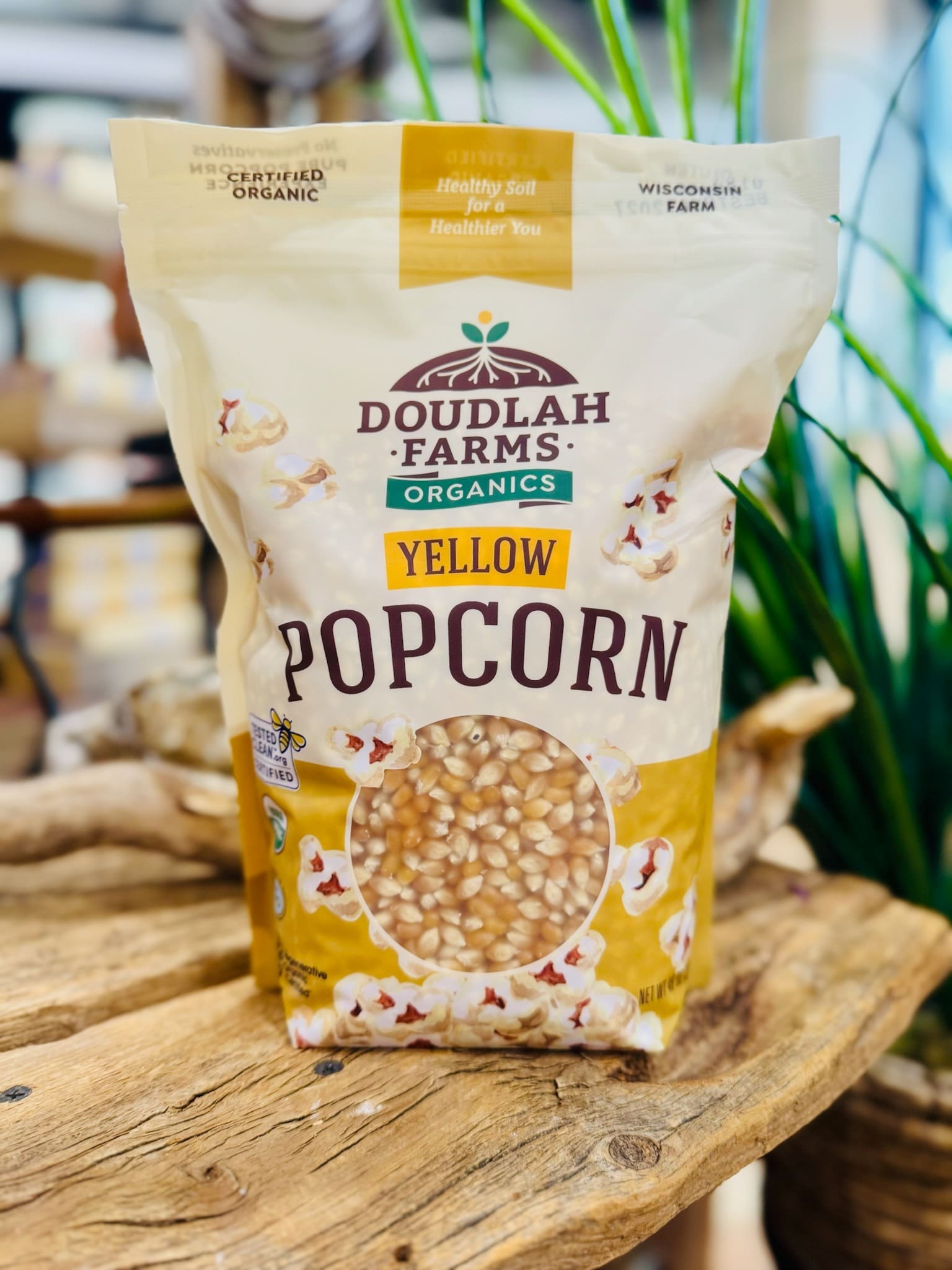
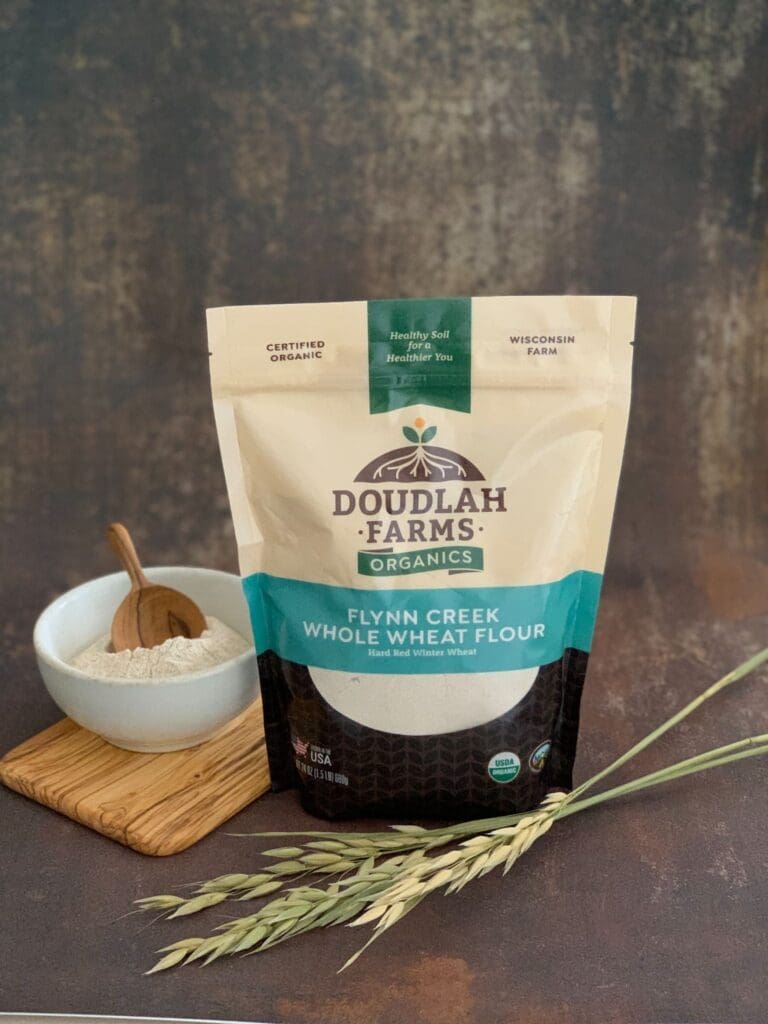
At Doudlah Farms, we go beyond standard organic certification and test clean from over 220 chemicals, including glyphosate, farming with USDA Organic, MOSA, Biodynamic, and Real Organic Project certified practices. You can see exactly what that testing covers on our Tested Clean page, and read more about our full certification lineup on our certifications page. This is not a marketing claim. It is a verified, certified, and tested fact.
You can also read about our farm’s full story, including six generations of stewardship of this Wisconsin land, on our About Us page.
Frequently Asked Questions About Organic Standards
What does USDA Organic certification actually require?
USDA Organic certification requires that a farm avoid synthetic pesticides, synthetic fertilizers, sewage sludge, irradiation, and genetically modified organisms, and follow a documented soil and crop management plan reviewed annually by an accredited certifying agent. It is a process-based standard governing how a farm operates.
Does organic certification mean a product has zero pesticide residue?
Not necessarily. USDA Organic certification governs farming practices and inputs, but it does not require routine chemical residue testing on the final harvested product. Some organic farms choose to go further and independently test their crops for chemical residue, which provides a more direct verification than certification alone.
Why do some organic farms pursue additional certifications like Biodynamic or Real Organic Project?
Additional certifications like Biodynamic (Demeter) and the Real Organic Project were created to address gaps that some farmers and consumers felt existed in baseline USDA Organic standards, particularly around soil-grown crops, holistic ecosystem management, and industrial-scale organic operations. Farms that pursue these additional certifications are typically signaling a deeper commitment beyond the minimum legal requirement.
How does organic farming benefit soil health?
Organic farming benefits soil health by avoiding synthetic fertilizers that can degrade soil structure over time, and by relying instead on practices like cover cropping, crop rotation, and compost, which build organic matter. Healthier soil holds water more effectively, requires fewer external inputs, and maintains its productivity and value over the long term.
Why is consumer trust in organic labeling declining?
Consumer trust in organic labeling has been affected by the growing commercialization of the term, large-scale industrial operations that meet minimum certification requirements without embodying the practices consumers associate with organic farming, and a general lack of visible, verifiable testing data behind most organic claims. Farms that publish independent testing results and specific certification details tend to rebuild that trust more effectively than certification logos alone.
What is the difference between organic and regenerative farming?
Organic farming is a certified standard governing which inputs and practices are allowed or prohibited on a farm. Regenerative farming is a broader philosophy focused on actively improving soil health, biodiversity, and ecosystem function over time, rather than simply avoiding synthetic inputs. Many regenerative farms are also certified organic, but the two terms are not identical.
Your health is deeply rooted in our soil, and that starts with standards you can actually verify. Shop Doudlah Farms products, tested clean and grown right here in Wisconsin, at