Key Takeaways
- Eighty-nine percent of all farms are small family farms, yet small family farms produced 18 percent of total production value in 2021, showing both their prevalence and economic vulnerability in a world shaped by big agriculture.
- Small family farms like Doudlah Farms in Wisconsin are the backbone of rural communities, biodiversity, and soil health, even as corporate farms dominate total agricultural output.
- Big farms and corporate agriculture bring efficiencies in scale and distribution, but often at higher environmental and social costs compared with smaller operations.
- A resilient food system in 2026 and beyond depends on many thriving small farms using regenerative and organic practices, not just a few mega-operations.
Small Farms vs Big Agriculture: Why This Debate Matters Today
The USDA classifies small farms as those with gross cash farm income under $350,000 per year. Corporate farms and large farms operate at scales that dwarf these operations, often generating millions in annual sales. The variation between these categories is enormous in ownership, in values, and in how they treat the land.
By 2021, 89% of U.S. farms were small family farms, yet the overwhelming majority of production value came from larger and corporate operations. That’s the central tension in the small farms vs big agriculture conversation.
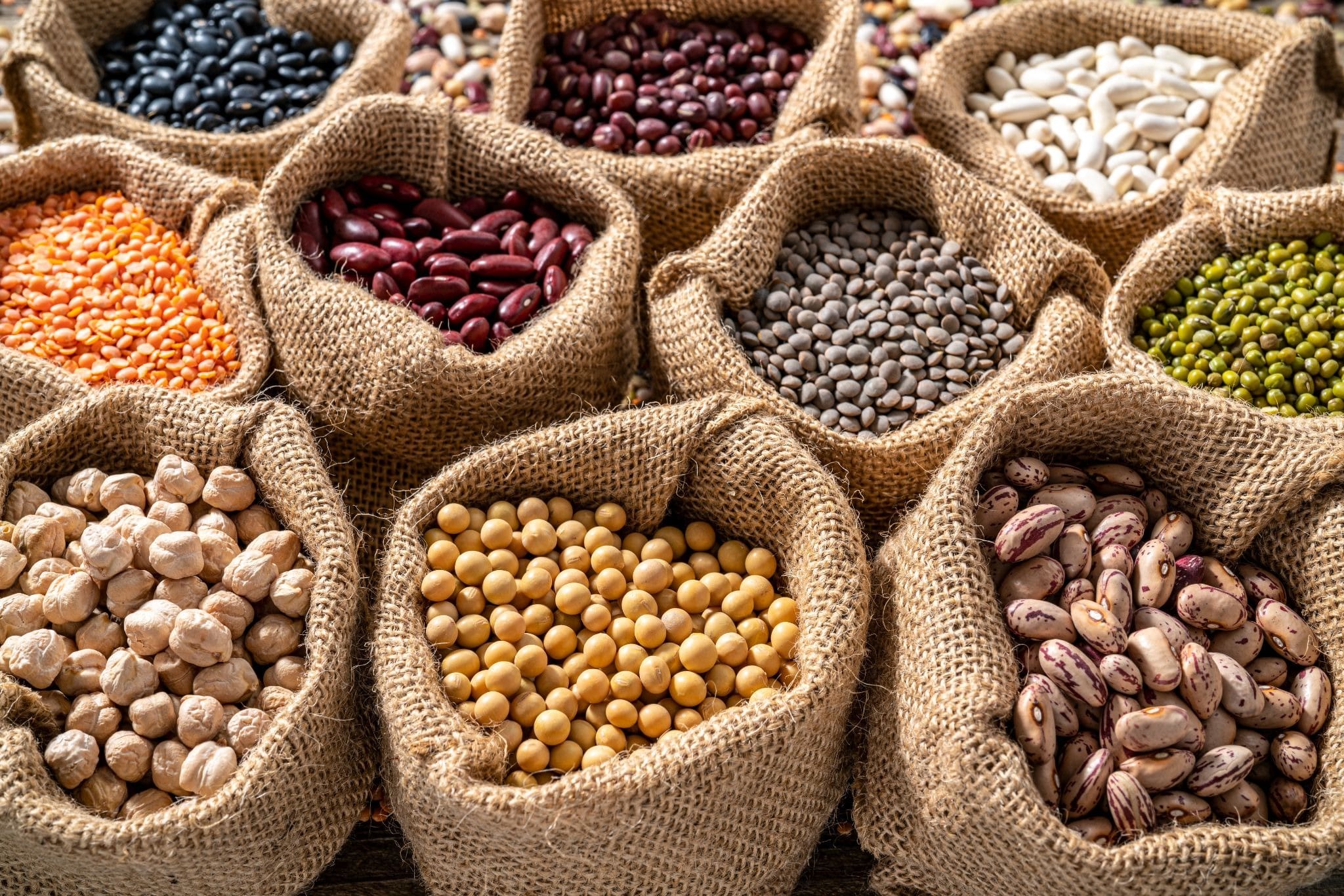
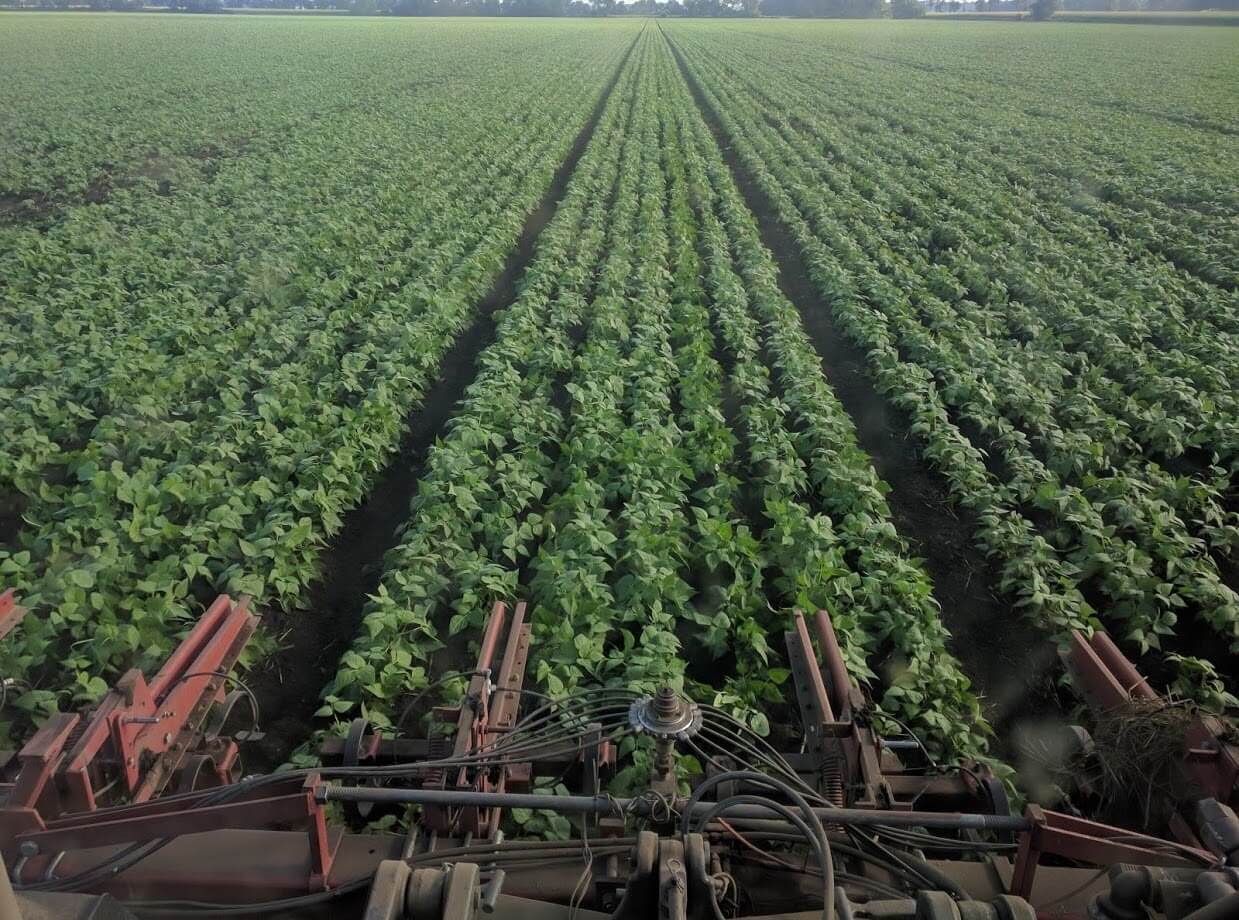
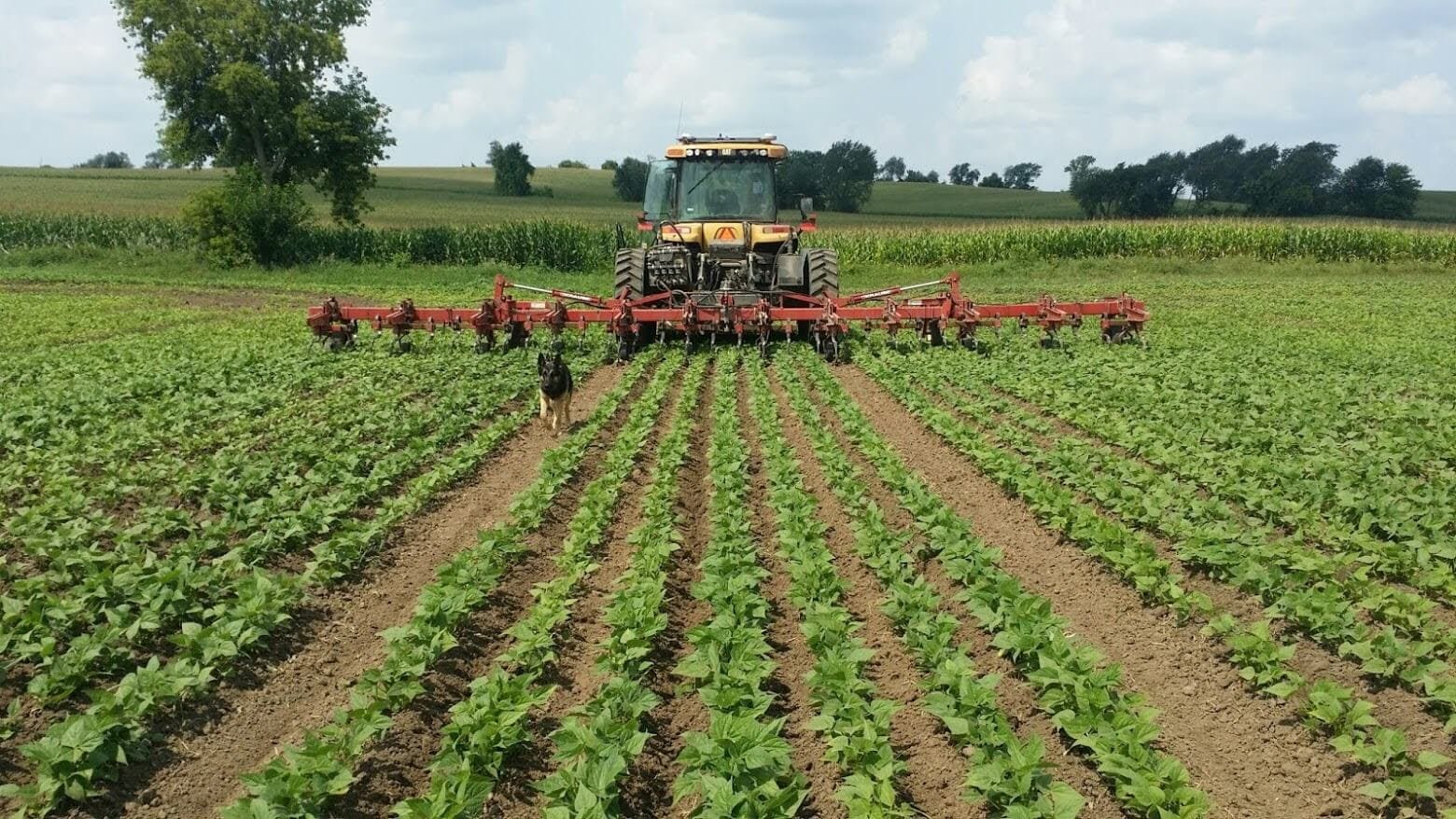
At Doudlah Farms, we live this tension every day. We’re a small family farm in Wisconsin practicing certified organic, regenerative agriculture. We grow organic small grains, beans, and cover crops on our acres-and we’ve watched the 2020–2024 shocks (pandemic, supply chain failures, inflation) push more people to examine where their food comes from and who controls it.
What Counts as a Small Farm, a Family Farm, or a Corporate Farm?
These terms overlap but are not identical. Here’s how they break down:
- Family farms are operations where the majority of the business is owned by the producer and related families. They make up roughly 98% of all U.S. farms and produce about 83% of total production value.
- Small family farms earn less than $350,000 in gross cash farm income. Small family farms operated 45 percent of U.S. agricultural land in 2021.
- Midsize family farms operated 18 percent of agricultural land, while large-scale family farms operated 27 percent of agricultural land in 2021.
- Large-scale family farms generated 46 percent of total production value in 2021, despite being only about 4% of all farms.
- Nonfamily farms accounted for 2 percent of all farms but generated a disproportionate share of value-roughly 17%.
At Doudlah Farms, decisions are made around the kitchen table by the families who work the land, not in a distant boardroom owned by corporations or shareholders. That relationship between farmer and farmland is what separates us from industrial farms.
Strengths of Small Family Farms in a Big Agriculture Landscape
Smaller farms and small family farms offer advantages that big farms struggle to match, especially around soil health, local resilience, and the trust that comes from knowing your farmer.
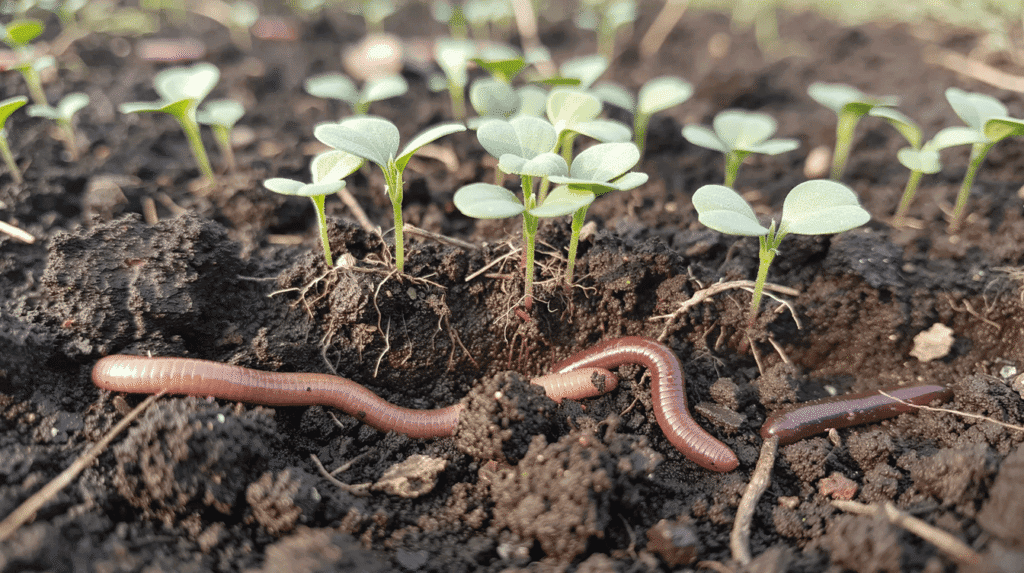
- Small farms often maintain higher biodiversity and healthier ecosystems. Diverse crop rotations, mixed livestock and crops, hedgerows, and pollinator habitat reduce dependence on synthetic fertilizers and chemicals. Research in Nature Sustainability confirms that smaller farms globally harbor greater crop and non-crop biodiversity.
- Small farms are often the first to adopt regenerative practices-no-till, cover crops, composting, rotational grazing-because family farmers prioritize environmental stewardship and see the land as a multi-generation legacy.
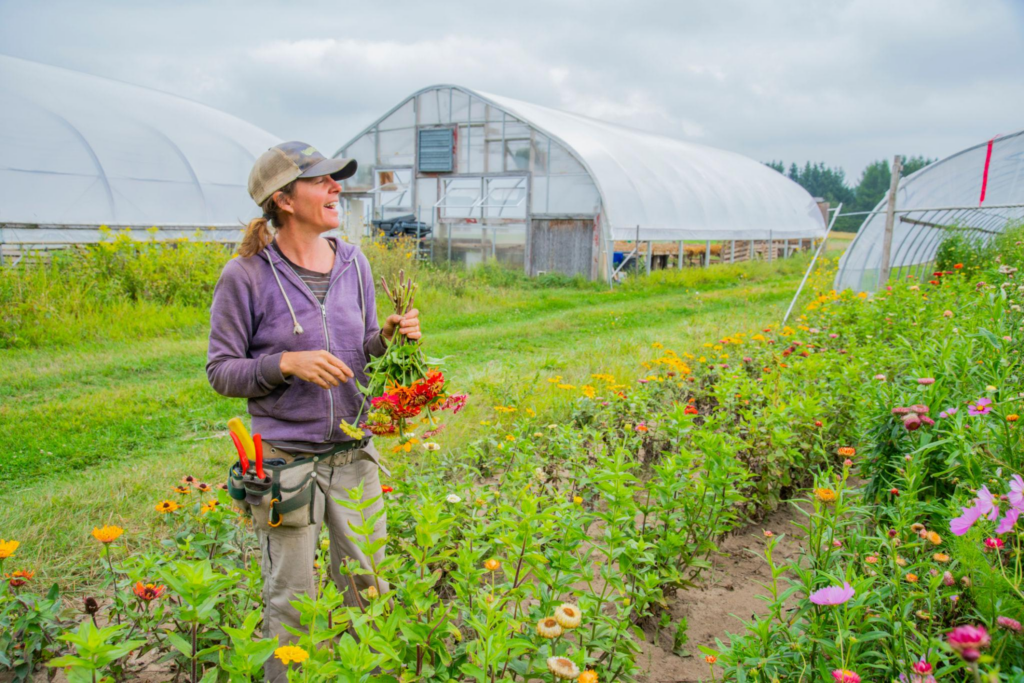
- Small farms support local economies by creating jobs and keeping income within the community. They frequently participate in farmers’ markets and community-supported agriculture, building direct farmer-to-eater partnerships. Small farms often directly market to consumers, reducing distribution costs and strengthening local communities.
- At Doudlah Farms, our shift from conventional to certified organic changed our soil matter, our biodiversity, and our bottom line. We produce organic small grains, potatoes, beans, and fiber crops, and every season, the soil improves.
- Small farms tend to be more productive per acre than larger farms. Small farms likely offer greater crop diversity, which also reduces risk from single-point failures in giant processing plants or long-haul supply chains, as the 2020 meatpacking bottlenecks showed.
Small farms focus on stewardship and long-term resilience. Large operations often focus on yield and quarterly returns.
What Big Farms and Corporate Agriculture Do Well-and Where They Fall Short
Large and corporate farms are not villains. They arose because of specific economics and consumer demand for cheap, abundant food after World War II. It’s worth an honest measure of what they contribute.
What they do well:
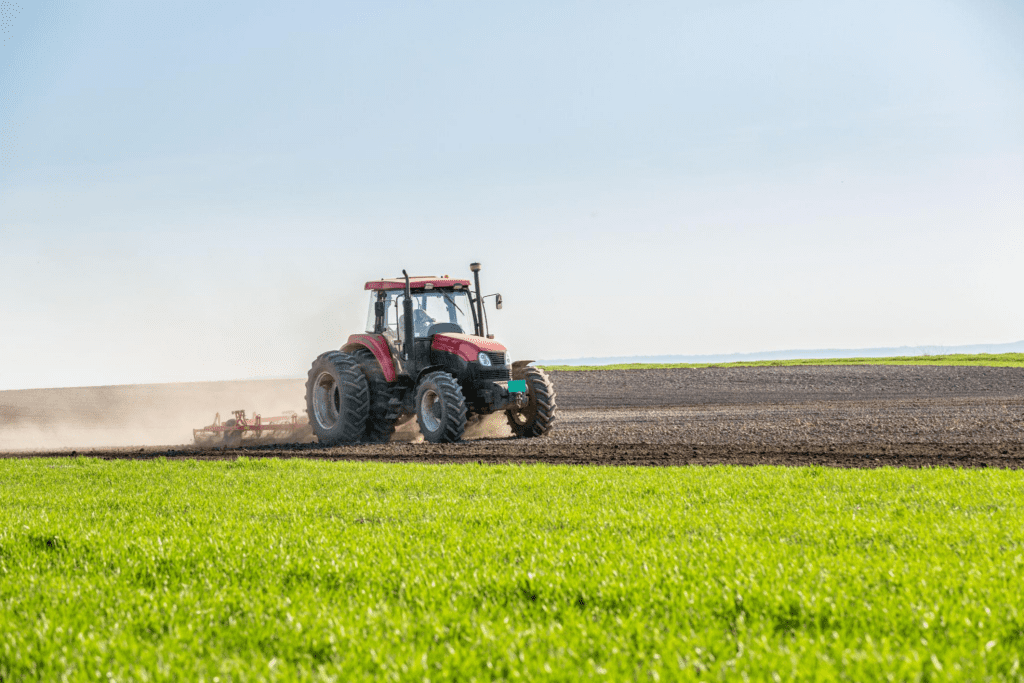
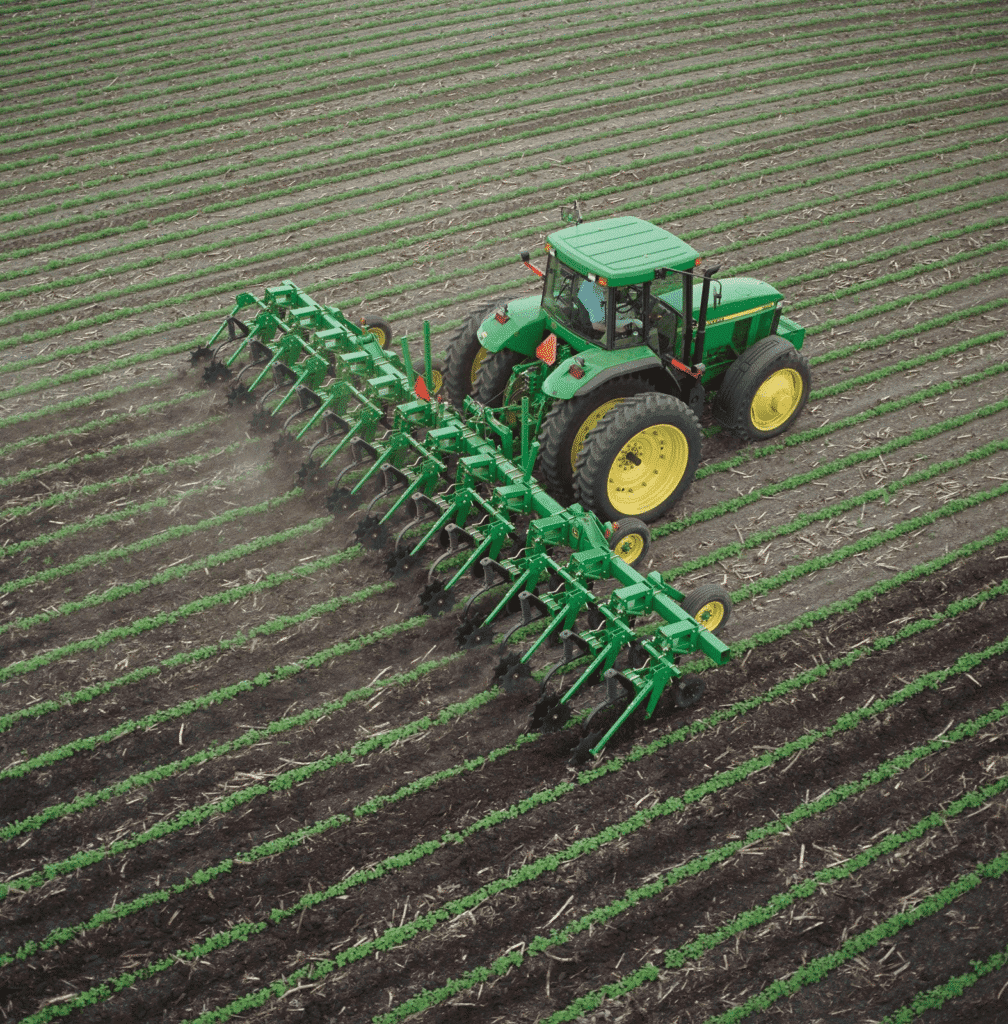
- Large agricultural enterprises operate on economies of scale and specialize in high-volume commodity crops like corn, soybeans, and row crops. Large farms may have greater resources to invest in precision agriculture and technology, GPS-guided tractors, AI-based yield forecasting, and massive combines.
- Large farms account for a large share of the food supply at lower per-unit costs, keeping staple food prices down for families across the country.
- A few large farms now produce a majority of certain commodities, enabling the USA to remain a leading exporter.
Where they fall short:
- Corporate farms use a lot of pesticides and chemicals. Corporate farming practices lead to agricultural pollution and waste-nitrogen runoff, soil erosion, and water contamination. In Des Moines, Iowa, water treatment facilities spend roughly $16,000 per day to filter nitrates caused by upstream agriculture.
- Large-scale farms often utilize monocultures, increasing risk to pests and disease and destroying habitat for pollinators and wildlife.
- Large agricultural businesses often have less direct interaction with individual consumers. Consolidation has hollowed out many rural main streets, leaving fewer independent farmers and fewer animals on diversified operations.
- Corporate farms and agribusinesses often answer to investors seeking short-term profit, while small family farms typically plan for generations. Of course, that long-term consideration is what saves the soil for the next line of farmers.
Small farms often face vulnerable financial situations due to narrow profit margins and high input costs for seeds, equipment, and certification. But the environmental and social expenses of big agriculture are paid by everyone through taxes, water cleanup, and lost rural life.
Building a Future Where Small and Big Farms Both Have a Place
The real answer in 2026 is not “small farms or big agriculture.” It’s how to balance them so the food system is fair, resilient, and sustainable.
- Policy and market support: Fair pricing, crop insurance reform, and federal agricultural programs that fund organic transition can help small farmers survive. Payments for ecosystem services-carbon credits, water quality improvements-can add income streams for operations like ours.
- Infrastructure: Regional processing, grain cleaning, storage, and distribution would let smaller farms sell agricultural products to schools, hospitals, and grocery chains-not just at the local farmers’ market.
- Consumer action: Choose food from local small farms when possible. Join a CSA. Ask retailers and restaurants where they source their produce and who grows their crops.
- Doudlah Farms’ role: We partner with other smaller farms, sell directly and through co-ops, and educate our community about organic grains, beans, and regenerative practices. Every sale and every seed we grow is money reinvested in this land and this business.
A world dominated by big agriculture is fragile. One with thousands of thriving small farms, each rooted in its place, is stronger in the face of climate change and economic shock. That’s the future worth building.
Q&A: Small Farms vs Big Agriculture (Reader FAQs)
Below are common questions we hear from people exploring how to support smaller farms like Doudlah Farms.
Is food from small family farms always more expensive than food from big farms?
Prices can be slightly higher at the retail level because small farms lack the subsidies and scale of corporate farms. But direct sales through CSAs and farm stores often narrow that gap. Big agriculture externalizes many costs-soil degradation, water pollution, lost rural jobs-that consumers still pay for through taxes and environmental cleanup. Buying in bulk, eating seasonally, and preserving food can make small-farm products cost-competitive for many families.
How can I tell if a product really comes from a small farm?
Look for specifics on the label: farm name, location, and story. Many small farms like Doudlah Farms proudly share details about their land and practices. Check for USDA Organic certification logos and visit the farm’s website or social media. Shopping at farmers’ markets or farm stands lets you talk directly to the farmer about farm size, ownership, and how crops and animals are raised.
Can small farms really feed a growing population, or do we need big agriculture?
Global studies show diversified, smaller farms can be highly productive per acre, especially using regenerative methods that build soil over time. The most resilient system combines many small and midsize farms with some larger operations, avoiding over-reliance on any single model. As climate change intensifies, the adaptability and crop diversity typical of smaller farms may be critical for stable food supplies across the world.
What makes Doudlah Farms different from a typical corporate farm?
Doudlah Farms is a multi-generation Wisconsin small family farm. Family members directly manage day-to-day operations, not distant shareholders. We’re committed to certified organic and regenerative practices: extended crop rotations, cover crops, and soil-building amendments rather than maximum short-term yields at any cost. We sell a significant share of our crops through regional and direct channels, allowing personal relationships with customers and full transparency about how their food is sold and grown.