More than half of American calories now come from ultra-processed foods. That single statistic explains a lot about rising rates of heart disease, diabetes, and metabolic dysfunction. The good news: shifting toward whole, minimally processed foods can improve energy, blood sugar, weight, and long-term disease risk. At Doudlah Farms Organics, we grow “Tested Clean” beans and heritage grains to make that shift easier, one meal at a time.
Key Takeaways
- Incorporating whole foods into your daily routine provides powerful advantages for overall well-being, from steadier blood sugar to lower cardiovascular disease risk.
- Research from Wageningen University (published on NIH/PMC, 2020) shows that nutrients in whole foods are absorbed differently than isolated nutrients or supplements, because the natural “food matrix” of fiber, plant compounds, and cellular structures changes how your body digests and uses them.
- Swapping processed foods for fiber-rich staples like organic beans, whole grains, and vegetables helps regulate blood sugar, blood pressure, and appetite, which can help people lose weight without strict dieting.
- Not all processing is bad. Minimally processed foods like frozen vegetables, plain yogurt, and canned beans with simple ingredients fit into a healthy eating plan.
- Below you will find practical swap ideas, food labels tips, and a simple way to stock a clean eating pantry with nutrient-dense staples from Doudlah Farms Organics.
What Are Whole Foods, Really?
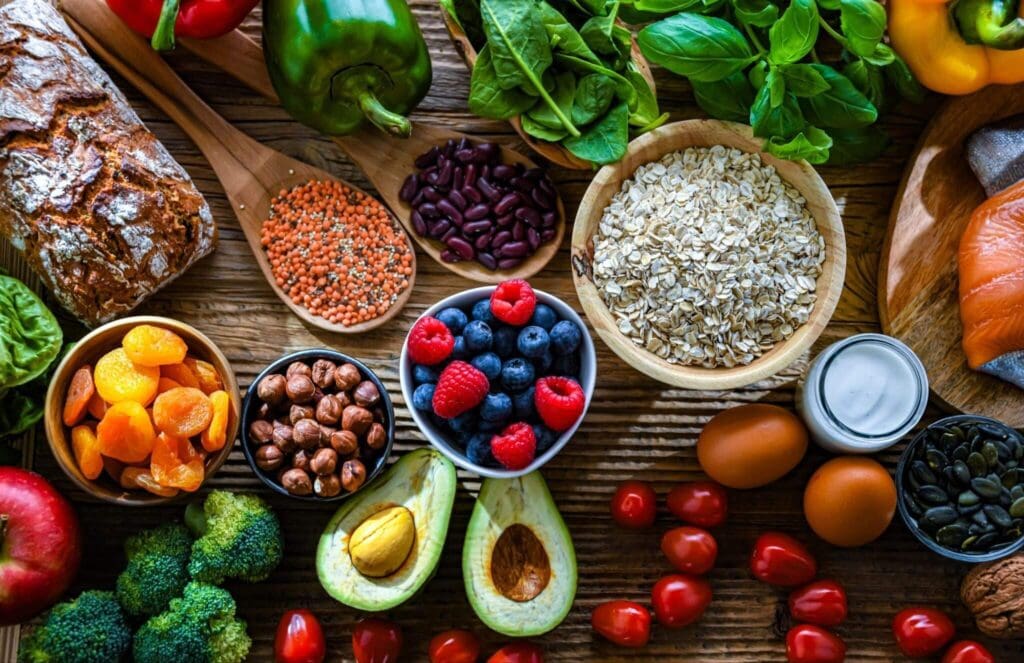
Whole foods are ingredients that look close to how they grew in the field. Think apples, dry beans, whole wheat berries, rolled oats, carrots, eggs, and plain yogurt. They are unprocessed foods or minimally processed foods that retain most of their original structure, fiber, and nutrients.
The spectrum from whole to ultra-processed runs wide:
- Whole/unprocessed: a fresh apple, dry Great Northern beans, brown rice, raw almonds
- Minimally processed: frozen vegetables, steel-cut oats, canned kidney beans with water and salt, unsweetened nut butter
- Processed: jarred pasta sauce with added sugar, smoked deli meats, flavored breakfast cereals
- Ultra processed: sweetened apple drinks, “bean chips” made from isolates and additives, fast foods with ingredient lists running 30+ items deep.
“Processed food” is a broad term. Washing, freezing, drying, or milling grain counts as processing, and these minimal processing steps usually preserve nutrients. Problems arise mostly with highly processed foods loaded with refined starch, added sugar, unhealthy fats, trans fats, and synthetic additives.
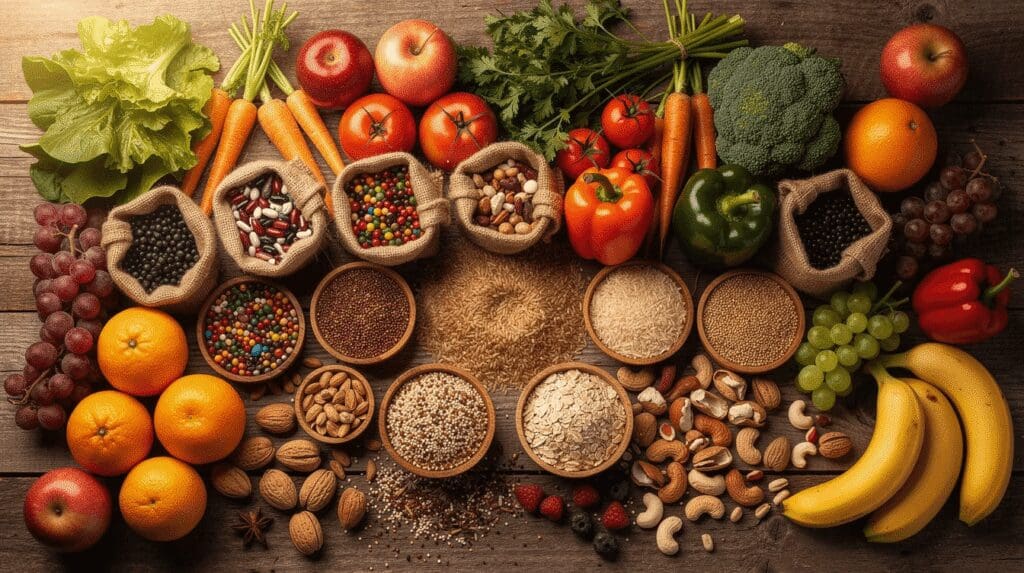
Whole foods form the foundation of most evidence-based eating patterns. Mediterranean-style diets, plant-based diets, and traditional cuisines worldwide center on beans, vegetables, fruits, nuts, whole grains, legumes, and lean meats or fish. A varied whole-food diet supplies a range of nutrients, including vitamins C, folate, and magnesium. These food patterns consistently outperform ultra-processed alternatives in long-term health outcomes.
Why Whole vs. Processed Matters Biologically
Nutrients in whole foods are packaged together with fiber, plant compounds, and intact cellular structures. This packaging is called the “food matrix,” and it changes how your body digests and absorbs what you eat.
A 2020 review from Wageningen University, published on NIH’s PubMed Central, describes how the food matrix slows or speeds nutrient release, influences digestive enzymes, and alters how vitamins, minerals, and fatty acids are transported into your bloodstream. Nutrients within whole foods are released gradually as the matrix breaks down, which produces different blood and tissue profiles than the same nutrients taken in isolation.
A few concrete examples show why this matters:
- Whole nuts vs. nut oil: Intact cell walls in whole almonds slow fat digestion, reducing post-meal lipid spikes compared to almond oil.
- Beans vs. refined flour: Fiber and intact starch granules in whole beans slow gastric emptying and flatten blood sugar curves. Refined flour delivers glucose rapidly, demanding more insulin.
- Cheese vs. isolated saturated fat: The dairy matrix in cheese modulates how saturated fat affects cholesterol; the physical structure changes fat release and digestion.
Supplements and fortified packaged foods do not always replicate these effects. The review notes that isolated nutrients can behave differently in metabolism than the same compounds delivered inside a food matrix. Ultra-processed foods strip fiber, degrade phytochemicals, and pre-digest structure so that nutrients hit the bloodstream too fast.
Long-term health benefits come not just from “getting enough nutrients” on paper, but from how those nutrients arrive packaged in real food.
Health Benefits of Eating Whole Foods
A whole foods diet is consistently linked to better blood pressure, blood sugar control, weight management, and decreased risk of chronic diseases compared with diets high in ultra-processed foods. Whole foods are packed with essential vitamins and minerals that your body needs to function.
The many health benefits of a whole foods diet include:
- Improved blood sugar stability
- Support for healthy blood pressure and cholesterol
- Reduced inflammation
- Stronger immune system function
- More steady energy and mood throughout the day
- Better digestive health
Diets rich in whole plant foods support optimal blood pressure and maintain healthy cholesterol levels. Whole foods are associated with improved heart-health markers, including cholesterol and blood pressure measures. Fiber from whole foods promotes digestive health by feeding beneficial gut bacteria. Whole foods support a healthy gut microbiome, and whole foods are associated with improved gut health and microbiome balance. Those beneficial gut bacteria produce short-chain fatty acids tied to improved metabolic health and immune function.
Whole foods provide essential nutrients that boost the immune system. Healthy fats and fatty acids from whole-food sources like nuts, seeds, olives, avocados, and fatty fish deliver monounsaturated fat and omega-3 fatty acids alongside antioxidants and other nutrients. This is a different outcome than eating the same fats from processed foods stripped of their cofactors. Whole foods provide a steady source of energy throughout the day, rather than the spike-and-crash cycle that comes from refined carbohydrates.
Whole Foods, Blood Sugar, and Weight Management
Shifting from refined, ultra-processed foods to fiber-rich whole foods is one of the most effective ways to support stable blood sugar levels and gradual, sustainable weight loss. Whole foods can help regulate blood sugar levels. A diet rich in whole foods can reduce blood sugar levels by 26%, according to research on high-fiber, plant-forward eating patterns.
The difference in how your body handles refined carbohydrates versus intact whole foods is measurable. White flour and sugary snacks cause quick glucose spikes followed by crashes. Beans, lentils, and whole grains release glucose slowly because their fiber and cell structure slow digestion. Research suggests that higher-fiber meals improve satiety hormones and reduce overeating. Eating whole foods may reduce cravings for unhealthy foods, so people often naturally eat fewer calories without tracking.
High-fiber, potassium-rich plant foods like beans, leafy greens, and root vegetables support healthy blood pressure and reduce cardiometabolic risk factors. This is relevant for weight management and for anyone concerned about cardiovascular disease.
Here are concrete meal swaps to put this into practice:
- Refined breakfast cereals to steel-cut oats or rolled oats with nuts and fruit
- White pasta to whole wheat berries, quinoa, or brown rice
- Chips to roasted chickpeas or organic popcorn
- Sweetened yogurt to plain yogurt with fresh berries
- Packaged deli meats to home-cooked lean meats or a bean-based filling
These food choices support both weight loss and blood sugar stability without requiring a strict vegetarian diet or calorie counting.
Label Reading: Spotting Processed Foods in Disguise
Many products look “healthy” on the front of the package, but food labels tell the real story. Cook at home to control ingredients and portion sizes whenever you can, and when you do buy packaged foods, flip to the ingredients list first.
Choose products with short lists made of recognizable foods: beans, whole wheat, oats, salt, and water. Be cautious of long chemical-sounding lists, multiple forms of sugar, and cheap refined oils. Ninety percent of added sugar in Western diets comes from ultra-processed foods, often hiding under names like cane sugar, corn syrup, brown rice syrup, or anything ending in “-ose.” Excess sodium in processed meats and canned goods can push blood pressure higher.
Front-of-package claims deserve skepticism. “Natural,” “multigrain,” “low-fat dairy,” and even “organic” do not always mean minimally processed or nutrient-dense. Whole foods are generally lower in added sugar than processed foods, and the simplest test is the ingredient count.
You can still find minimally processed shortcuts that fit a healthy eating pattern: frozen vegetables with no sauces, canned beans with just water and salt, plain yogurt, and unsweetened nut butters. Shop the store’s perimeter for fresh whole foods, where most foods are closer to their natural state.
How Whole Foods Supports Long-Term Health (Beyond Calories)
Two diets can have the same calories and macronutrients on paper but produce different effects on inflammation, hormones, and disease risk based on food quality. A balanced diet built on whole foods consistently outperforms one built on processed equivalents.
Whole foods lower the risk of heart disease and diabetes. Ultra-processed foods are linked to higher diabetes risk. Eating whole foods is linked to lower rates of certain cancers. A diet rich in whole foods can reduce inflammation, which is the common thread behind many chronic diseases.
Antioxidants and phytochemicals in whole plant-based foods, such as beans, berries, colorful fruits and vegetables, herbs, and whole grains, help combat oxidative stress that underlies these conditions. A varied diet of plant foods delivers compounds that isolated supplements cannot replicate.
Whole foods can enhance mood and reduce energy crashes. A diet rich in whole foods supports neurotransmitter production because it supplies B vitamins, magnesium, omega-3 fatty acids, vitamin D, and amino acids that the brain needs. Eating whole foods may improve cognitive clarity and emotional well-being, while ultra-processed diets are associated with poorer mental health and mental well-being outcomes.
For healthy aging, nutrient-dense foods support muscle maintenance, bone health (aided by calcium, vitamin D, and vitamin K from dairy products and leafy greens), and skin health over decades. Good nutrition from whole foods compounds over years, not days.

From Soil to Plate: Why Growing Practices Change Food Quality
Nutrient density and contamination risk start in the soil, not in the kitchen. How food is grown determines what it contains before it ever reaches your plate.
On the Doudlah Farms Organics “Tested Clean” page, we describe how common chemicals like glyphosate can persist in soil for decades, inhibit cytochrome P450 enzymes involved in detoxification, and chelate essential micronutrients like iron, copper, and molybdenum. These effects can reduce food quality at the root level.
We use organic, regenerative, and biodynamic practices to build soil health and avoid synthetic pesticides and herbicides. Our crops are tested with third-party labs to verify extremely low pesticide and chemical residues. A peer-reviewed study comparing regenerative and conventional farms found that crops from regenerative systems contained higher levels of vitamins B, C, E, and K, along with more calcium, magnesium, and zinc. Cabbage from regenerative farms, for example, had 46% more vitamin K and 41% more calcium than conventional equivalents.
Our “Tested Clean” commitment is an extra layer beyond standard organic certification. We grow whole foods and also measure what is not in them, giving health-conscious families more confidence in the beans, cornmeal, and grains they bring home. Better soil health, greater biodiversity, and clean inputs add up to better nutrient density, fewer unwanted chemicals, and a more sustainable future for food.
Building a Whole Foods Pantry (with Clean, Domestic Staples)
Sustainable, healthy eating starts with what is in your pantry. If it is stocked with whole foods, cooking simple, nourishing meals becomes the default, and reaching for ultra-processed convenience foods becomes less tempting.
Core pantry categories to focus on:
- Dry beans and lentils: kidney beans, Great Northern beans, pinto beans, lentils
- Whole grains: wheat berries, rolled oats, heritage grains, brown rice
- Cornmeal and popcorn: organic, stone-ground
- Nuts and seeds: almonds, walnuts, flax, chia, hemp
- Herbs and spices: cumin, turmeric, garlic, oregano
- Healthy fats: olive oil, avocado oil
Our organic Great Northern Beans provide fiber, plant protein, and minerals with no additives. They cook up creamy and versatile, fitting into soups, stews, grain bowls, and salads.
Choosing US-grown, family-farm staples supports domestic food security and shortens the supply chain, which matters for freshness, transparency, and reduced greenhouse gases from shipping. Eating healthier food costs about $1.56 more per 2,000 calories; stocking up on bulk dry beans and whole grains is one of the most affordable ways to close that gap.
Sign up for the Doudlah Farms Organics email newsletter to get whole foods recipes, regenerative agriculture updates, and seasonal product releases delivered to your inbox.
Simple Ways to Eat More Whole Foods (Without Perfectionism)
Many of us juggle work, kids, and packed schedules. The goal is more whole foods and fewer ultra-processed foods, not rigid rules that create guilt. Health promotion happens through consistency over months and years, not perfection at any single meal.
Start small by adding one whole food to your meals. A few more strategies:
- Swap one processed snack a day for fruit and nuts
- Add a half-cup of beans to at least one meal
- Prepare meals ahead of time to save effort later; cook a double batch of whole grains or beans on weekends
- Aim for a variety of colors on your plate for nutrients
- Try one-pot meals with beans and vegetables, grain bowls, or slow-cooker dishes using pantry staples like Doudlah Farms Organics beans and cornmeal.
There is room for some processed foods within an overall whole foods diet. A favorite sauce, a frozen vegetable blend, or a convenience item with a clean label will not undo the benefits of eating whole foods consistently. A healthy weight and good health come from patterns, not individual meals. Meal planning helps, but flexibility matters more than rigidity.
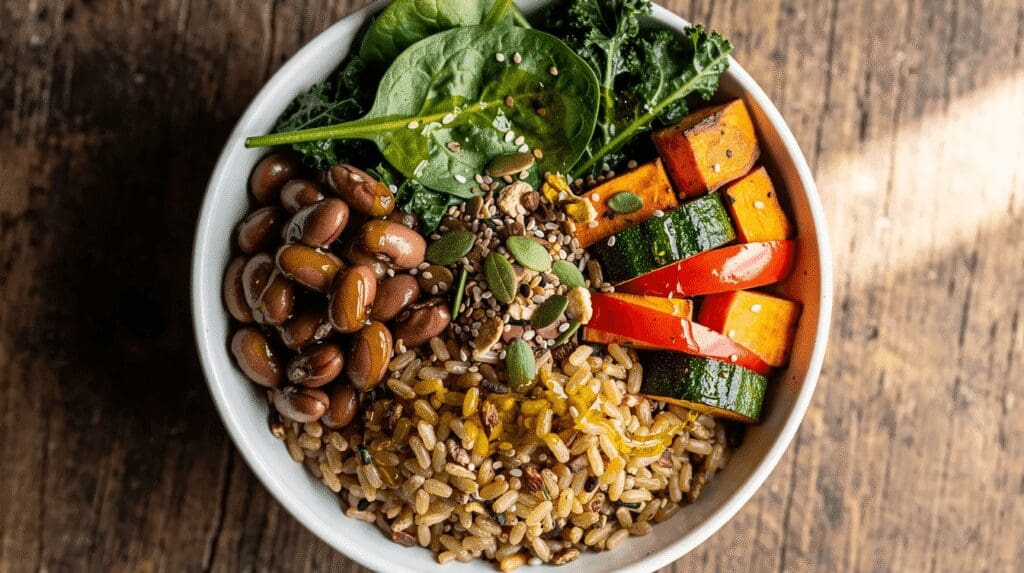
Picture a table built around real food: beans simmered in a cast-iron pot, fresh vegetables, heritage grains, and a drizzle of good olive oil. That kind of everyday healthy eating supports good nutrition and long-term health for the whole family. Optimal health does not require exotic ingredients or expensive superfoods. It starts with honest food, grown in healthy soil, cooked simply at home.

FAQ
What are the main health benefits of eating whole foods?
Whole foods improve blood sugar stability, support healthy blood pressure and cholesterol, help people lose weight more sustainably, and reduce long-term risk of heart disease, diabetes, and other chronic diseases. These benefits come from the combination of fiber, vitamins, minerals, antioxidants, and healthy fats working together in the natural food matrix, not from any single nutrient added to a processed food. Whole foods also support a stronger immune system and better digestive health.
Do I need to cut out all processed foods to be healthy?
No. Processed foods exist on a spectrum, and most people do not need to avoid all processing for good health. Focus on reducing ultra-processed foods like sugary drinks, packaged snacks, and fast foods, while keeping or increasing minimally processed foods like frozen vegetables, canned beans, plain yogurt, and wholegrain bread made with simple ingredients. A healthy eating plan is about the overall pattern, not absolute elimination.
Can a whole foods diet help me lose weight without counting calories?
High-fiber, nutrient-dense meals based on whole foods make it easier to feel full on fewer calories, which often leads to gradual, natural weight loss without strict tracking. A bowl of beans and brown rice with vegetables, oatmeal with nuts and fruit, or popcorn instead of chips are all filling options that support weight management. Eating whole foods may reduce cravings for unhealthy foods, making the process feel less like deprivation.
What are “healthy fats,” and how do I get them from whole foods?
Healthy fats are primarily unsaturated fats and omega-3 fatty acids that support heart health, brain function, and hormone balance. They contrast with trans fats and excess saturated fat found in many processed foods. Whole-food sources include nuts, seeds (flax, chia, hemp), olives and olive oil, avocados, and fatty fish like salmon and sardines. Adding a handful of walnuts to oatmeal, drizzling olive oil on vegetables, or eating canned sardines on whole-grain toast are all simple ways to get these essential nutrients.
How does Doudlah Farms Organics fit into a whole foods, “clean eating” lifestyle?
Doudlah Farms Organics grows USDA-certified organic, non-GMO beans, corn, and grains in Southern Wisconsin using regenerative and biodynamic practices that prioritize soil health and biodiversity. Our “Tested Clean” program adds an extra layer of assurance by checking our foods for a wide range of pesticides and chemicals, giving customers a cleaner starting point for building a whole foods pantry. Every product we sell is a healthy food staple: dry beans, heritage grains, cornmeal, designed to be cooked simply at home with full confidence in what is and is not in the bag.