
Key Takeaways
- Beans and legumes are rich sources of soluble and insoluble fiber that support gut health, and they also contain resistant starch, a type of starch that resists digestion in the small intestine and becomes food for gut bacteria in the colon.
- A high-fiber diet stabilizes blood sugar levels, supports healthy cholesterol levels, and helps maintain regular bowel movements, yet most Americans eat less than half the recommended daily fiber.
- At Doudlah Farms Organics, we grow USDA-certified organic, regenerative, “Tested Clean” dry beans and heritage grains in Southern Wisconsin, making it easy to get gut-friendly fiber from trustworthy, chemical-screened foods.
- Maintaining a healthy gut is essential for overall wellness and influences digestion, immune function, and mood. Nutrient-dense food products are crucial for health-conscious consumers who want to take control of their diet.
- Pairing fiber-rich whole foods with fermented foods gives your gut microbiome both the fuel and the beneficial bacteria it needs to thrive.
Sign up for our newsletter for gut-friendly recipes and cooking tips, and try our organic dry beans to start building a healthier plate this week.
How Your Gut Microbiome Shapes Digestive Health
Your gastrointestinal tract is home to trillions of microscopic organisms-bacteria, fungi, viruses, and other helpful microbes-collectively known as the gut microbiome. These microorganisms living along the digestive tract from the mouth to the colon do far more than break down food. They train the immune system, help the body fight off infectious illnesses, and produce short-chain fatty acids that nourish the lining of your large intestine.
A healthy gut microbiome produces short-chain fatty acids (SCFAs) from the plant fibers we eat. Short-chain fatty acids are produced by gut bacteria from fiber and serve as fuel for colon cells, support the gut barrier, and help reduce inflammation throughout the body. When this community of good bacteria is balanced and diverse, it supports digestive health, steady energy, and even mental health. On the other hand, dysbiosis-an unbalanced gut microbiome-can lead to inflammation, diarrhea, and food intolerance.
Loss of beneficial bacteria causes dysbiosis, and it can result from poor diet and lifestyle choices, certain medications, or chronic stress. Dysbiosis may be linked to diabetes and obesity, and research suggests it can affect mental health, including anxiety and depression. A diet high in sugar favors harmful gut microorganisms and accelerates this imbalance, while a diet rich in certain foods like whole plant fibers does the opposite.
The good news: diet is the fastest lifestyle factor we can change day to day. The types of complex carbohydrates we eat, especially dietary fiber and resistant starch, directly shape which bacteria flourish in our gut.
Why Fiber Matters for Gut Health
Dietary fiber is the indigestible part of plant foods that makes it intact to the large intestine, where colon bacteria ferment some of it into compounds that support our health. A diverse gut microbiome requires a variety of plant fibers, and understanding the different types helps us eat more intentionally.
Soluble fiber dissolves in water and forms a gel-like substance during digestion. It’s found in oats, beans, apples, and citrus. This type of fiber can help stabilize blood sugar by slowing absorption and support healthy cholesterol levels by binding bile acids. It’s also associated with a lower risk of developing heart disease over time.
Insoluble fiber adds bulk and keeps food moving through the digestive system. It’s abundant in whole wheat, heritage grains, leafy greens, and vegetable skins. This type of fiber helps maintain regular bowel movements and prevents constipation. Fiber also helps prevent diverticular disease and hemorrhoids by promoting healthy transit through the small intestine and large intestine.
Resistant starch works differently from both. It’s a starch that escapes digestion in the small intestine, reaches the colon intact, and becomes a preferred fuel for healthy gut bacteria. There, beneficial microbes ferment it and produce short-chain fatty acids, especially butyrate, that support colon cell health. Research published in Nutrients has shown that dietary resistant starch found in beans can positively affect the gut microbiota, increasing beneficial genera and shifting microbial metabolism in ways linked to better metabolic health.
High-fiber plant foods encourage bacterial diversity due to their rich, complex carbohydrate profiles. Beans, cooled potatoes, certain grains, and greenish bananas are all important whole-food sources of resistant starch. Fiber fuels colon cells and prevents constipation, and fiber aids in the production of short-chain fatty acids that benefit the entire body.
One important caution: increasing fiber intake should be done gradually to prevent digestive discomfort. Excessive fiber may lead to bloating and diarrhea, especially for people who aren’t used to eating more fiber. Add a serving or two per week and drink plenty of water.
Best Whole Foods for a Healthy Gut Microbiome
No single food fixes an unhealthy gut overnight. What works is a pattern of eating varied whole foods that gives your digestive system the raw materials it needs. The best foods for gut health fall into a few practical categories.
Fermented foods like plain yogurt with live cultures, kefir, sauerkraut, kimchi, miso, traditionally fermented pickles, and kombucha add good bacteria directly to your gut. These are among the best probiotic foods you can eat regularly. Other fermented foods, such as tempeh, offer both live cultures and plant-based protein.
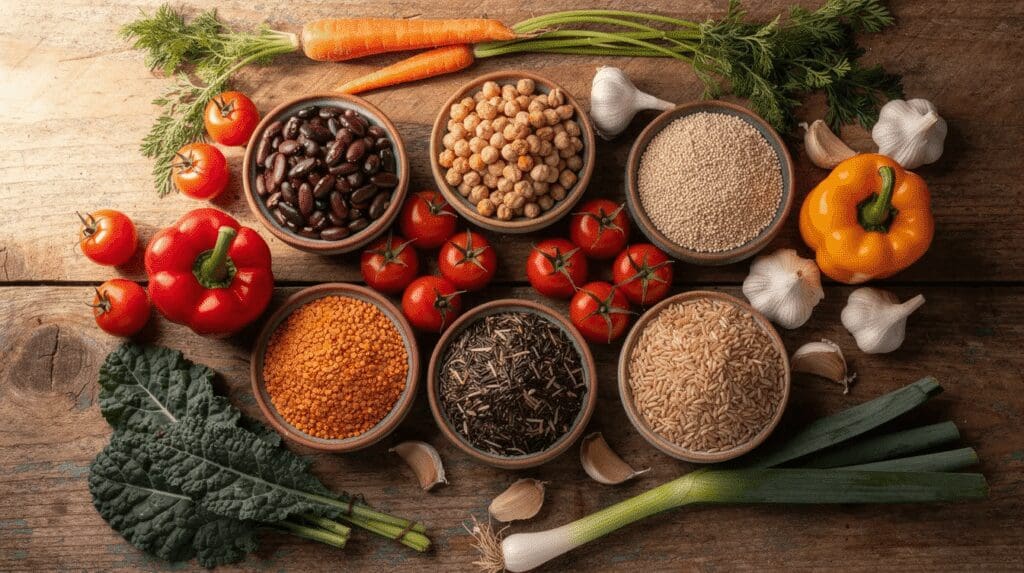
High-fiber, minimally processed plant foods form the foundation of a healthy diet for your microbiome. Fruits and vegetables increase gut microbiome diversity. Whole fruits like apples and pears with skin, berries, and many fruits rich in pectin are excellent choices. Leafy greens, root vegetables, nuts, flaxseeds, and chia seeds all contribute different types of fiber. Garlic and onions are rich in prebiotic fibers such as inulin and fructooligosaccharides. Prebiotics are non-digestible fibers that nourish beneficial microbes in the digestive tract. Polyphenols-plant compounds found in berries, green tea, and dark vegetables-are broken down by gut bacteria and can help reduce inflammation and chronic inflammation markers.
Combining fermented foods (probiotics) with fiber-rich foods (prebiotics) in everyday meals helps support a resilient, diverse microbiome. For many people, gently cooked foods like soups and stews are easier on the digestive system than very large raw salads when first increasing fiber. Meanwhile, cutting back on processed foods, added sugar, and red meat while adding more fiber supports a healthier bacterial balance over time. Replacing white bread and white rice with whole grains is one of the simplest swaps.

Beans and Legumes: Fiber and Resistant Starch Powerhouses
Beans and legumes are among the best foods for gut health because they deliver soluble fiber, insoluble fiber, and resistant starch in a single whole food. This trio works together: soluble fiber helps with blood sugar and cholesterol levels, insoluble fiber supports regular bowel movements, and resistant starch nourishes healthy bacteria deeper in the colon.
A meta-analysis of 248 individuals found that higher resistant starch intake increased abundances of beneficial bacteria like Bifidobacterium, Faecalibacterium, and Ruminococcus-genera associated with improved glucose and lipid metabolism. One cup of cooked navy beans provides roughly 19 grams of fiber (about 68% of the daily value), while one cup of cooked black beans delivers about 15 grams. A half-cup of kidney beans contains approximately 7.9 grams of total fiber, split between about 2 grams of soluble and 5.9 grams of insoluble.
If you aren’t used to beans, start with small portions-a quarter cup in a soup or salad-and increase over a couple of weeks. Soaking dried beans overnight and rinsing canned beans well can also reduce compounds that contribute to gas.
Simple serving ideas: bean-based soups and chili with plenty of vegetables, bean-and-grain bowls, tacos topped with sauerkraut, or salads with yogurt-based dressings. Each of these pairs of fiber-rich beans with fermented toppings feeds your gut microbiota from both ends.
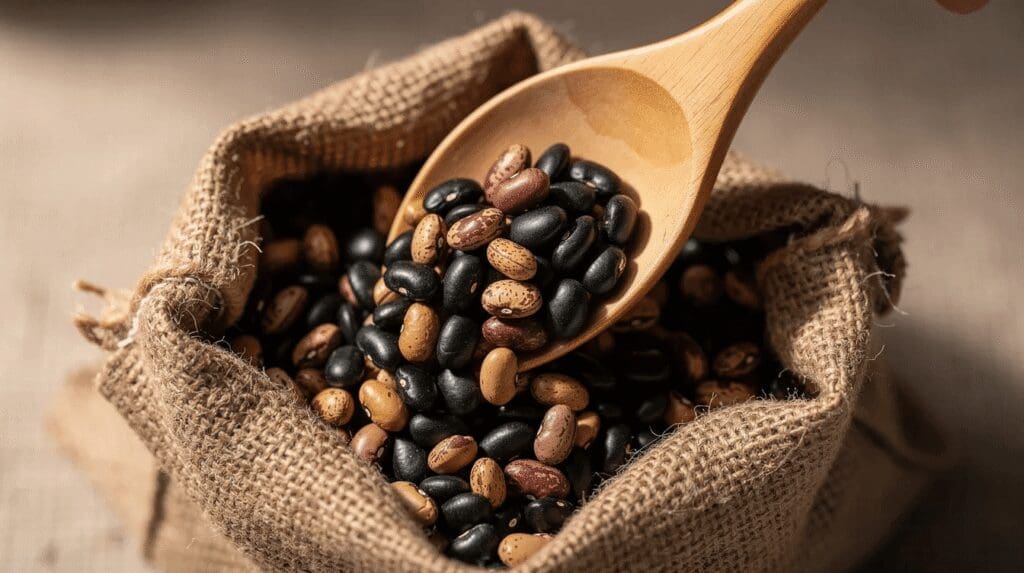
At Doudlah Farms Organics, we grow USDA-organic, non-GMO, “Tested Clean” dry beans in Southern Wisconsin, including Black, Navy, Pinto, Dark Red Kidney, and more. Our organic Black Beans are a simple pantry staple for anyone looking to eat more gut-supportive fiber without worrying about chemical residues.
Whole Grains, Heritage Grains, and Other Fiber-Rich Staples
Pairing beans with whole grains is a traditional pattern across cultures-and it’s one that supports digestive health and steady energy. The difference between whole grains and refined grains comes down to structure: whole grains keep the bran and germ, which contain the fiber, essential nutrients, and many nutrients stripped away during refining.
Heritage grains provide sustained complex carbohydrates that support microbial balance and intestinal function. Our Flynn Creek Whole Wheat, fine-grind yellow cornmeal, and organic popcorn are examples of whole grain offerings that preserve these benefits. Other fiber-rich staples include oats (rich in soluble beta-glucan), brown rice, quinoa, and barley.
Whole grain intake contributes to bowel regularity, more stable blood sugar, and prebiotic substrates that support healthy gut bacteria in the large intestine. Rotating different grains across the week helps maintain a diverse microbiome by exposing gut bacteria to a broader mix of fibers.
Practical pairing ideas:
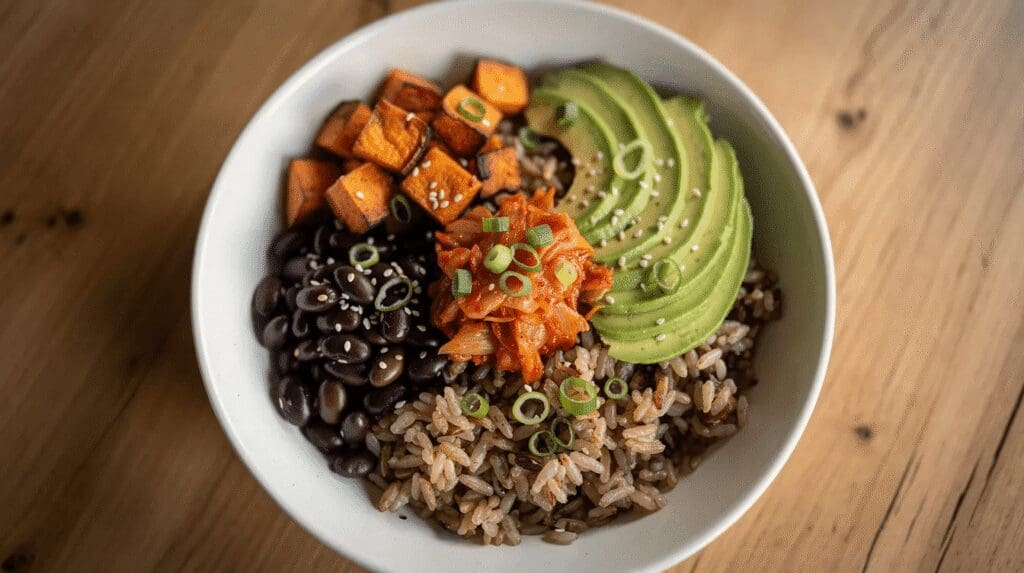
- Bean-topped brown rice bowls with roasted vegetables
- Chili served alongside whole-grain cornbread made from our yellow cornmeal
- Heritage-wheat bread with white bean spread and leafy greens
- Air-popped organic popcorn as a higher-fiber snack between meals
Fermented Foods and “Good Bacteria”
Probiotics are living microorganisms that promote gut health by adding beneficial bacteria directly to the digestive tract. Probiotics are found in yogurt and other fermented foods, and common probiotics include Lactobacillus and Bifidobacterium species. Unlike prebiotics (the fibers that feed existing gut bacteria), probiotics deliver live cultures that can take up temporary residence and support a balanced gut microbiome.
Probiotics help rebalance gut microorganisms after disturbances, whether from illness, stress, or certain medications that disrupt the microbial community. They can also influence the body’s immune response, which makes sense given that a large portion of the immune system resides along the digestive tract.
A meta-analysis of 4,328 participants found that eating fermented foods significantly improved bowel movement frequency, stool consistency, and reduced gastrointestinal symptoms like bloating. Common choices include yogurt with live and active cultures, kefir, kimchi, sauerkraut, miso, tempeh, and kombucha. Unpasteurized, refrigerated options usually contain more live cultures.
Serving ideas that pair probiotics with prebiotics:
- Add sauerkraut or kimchi to grain-and-bean bowls
- Stir miso into vegetable-and-bean broth
- Top bean tacos with a kefir- or yogurt-based sauce
These foods complement a fiber-rich diet-they don’t replace it. Both prebiotics and probiotic foods work together for long-term digestive health.
How Farming Practices and “Tested Clean” Foods Support the Gut
Soil teeming with microbial life and free from persistent synthetic chemicals can produce crops with better nutrient density and fewer unwanted residues. At Doudlah Farms Organics, we practice USDA-certified organic, non-GMO, regenerative, and biodynamic farming designed to build soil health rather than deplete it. Non-GMO and organic farming practices emphasize food safety and environmental stewardship at every stage. Sustainable ecosystems are supported by practices in regenerative agriculture that enhance soil health and biodiversity.
Our “Tested Clean” standard goes beyond organic certification. We partner with HRI Labs to screen for 220+ chemicals, including glyphosate and AMPA, and our products must measure below strict detection thresholds. As noted on our Tested Clean page, glyphosate can chelate micronutrients like iron, cobalt, molybdenum, and copper, potentially reducing nutrient absorption, and it can persist in soils for 25 or more years.
When you choose beans and heritage grains grown in healthier soils and tested for chemical residues, you support both your own gut health and the wider ecosystem, pollinators, local water, and overall public health. Domestic food security can be enhanced by supporting American family farms over global food chains, and every purchase of locally grown, tested, and clean food is a step in that direction.
How to Build a Gut-Friendly Plate (and Stick With It)
A healthy gut is something we build meal by meal, not overnight. Small, consistent changes in what we eat are far more powerful than any single health intervention.
A simple gut-friendly plate formula: roughly half non-starchy fruits and vegetables (including leafy greens), a quarter beans or other legumes, and a quarter whole grains, plus a spoonful of fermented food and healthy fats from nuts, seeds, or avocado.
Here are three sample meals for one day:
- Breakfast: Oatmeal with ground flax, blueberries, and a drizzle of honey (~10g fiber)
- Lunch: Bean-and-vegetable soup with a slice of heritage-wheat bread (~12g fiber)
- Dinner: Brown rice bowl with black beans, roasted vegetables, and a scoop of kimchi (~12g fiber)
That puts you well over 30 grams of fiber for the day-above the 25–38 gram range recommended for most adults-and many factors contribute to getting there consistently: increasing fiber gradually, drinking more water, chewing well, and paying attention to how different foods affect your own digestive system. A healthy body relies on these steady habits more than dramatic changes.
Stock your pantry with our organic dry beans and heritage grains, and sign up for the Doudlah Farms Organics newsletter to receive gut-friendly recipes, cooking tips, and updates on regenerative farming. Every bag of beans is a step toward a healthier gut, a healthier farm, and good health for your whole family.
Frequently Asked Questions
What foods are best for gut health?
The best foods for gut health are whole, minimally processed plant foods rich in dietary fiber and resistant starch-beans, lentils, heritage whole grains, oats, fruits and vegetables, nuts, and seeds-plus fermented foods that contain good bacteria. Variety matters: rotating different beans, grains, and vegetables across the week helps support a more diverse microbiome. Our organic dry beans and heritage grains are easy pantry staples for building gut-friendly meals at home without sugar alcohol, artificial additives, or chemical residues.
How can I improve my gut microbiome if I have a sensitive digestive system?
Start slowly. Introduce small portions of cooked beans, well-cooked vegetables, and gentle whole grains such as oats or rice, then gradually increase serving sizes. Keeping a simple food-and-symptom log helps you notice which foods feel best. If you have ongoing digestive symptoms or health conditions like irritable bowel syndrome, work with a healthcare provider or dietitian. Some people do better with lower-FODMAP choices at first and can expand variety as tolerance improves.
What is the difference between probiotics and prebiotics?
Probiotics are live microorganisms found in fermented foods like yogurt, kefir, sauerkraut, kimchi, miso, and kombucha. Prebiotics are fibers and resistant starches in plant foods that feed the beneficial bacteria already living in your gut. A gut-supportive diet includes both, for example, pairing our fiber-rich beans (prebiotic fuel) with a spoonful of sauerkraut (probiotic bacteria). Most people don’t need special supplements if they eat a varied, whole-food diet that includes both categories regularly.
How much fiber do I need each day for digestive health?
General guidelines suggest around 25–38 grams of dietary fiber per day for most adults, depending on age and sex. The average American consumes only about 16 grams. One cup of cooked beans plus several servings of fruits, vegetables, and whole grains can usually meet the target. Increase your fiber intake gradually and drink enough water to avoid discomfort like gas or bloating.
Do organic and “Tested Clean” foods really make a difference for gut health?
Gut health is influenced by many factors, but choosing USDA-organic foods grown without synthetic pesticides and herbicides reduces exposure to chemicals that may interfere with nutrient absorption or overall health. Our Doudlah Farms Organics “Tested Clean” standard adds an extra layer of assurance by screening for 220+ chemicals, including glyphosate, as documented on our site. This choice supports both personal health and the health of soils, pollinators, and local ecosystems-while we encourage everyone to do what’s realistic for their budget and lifestyle.